
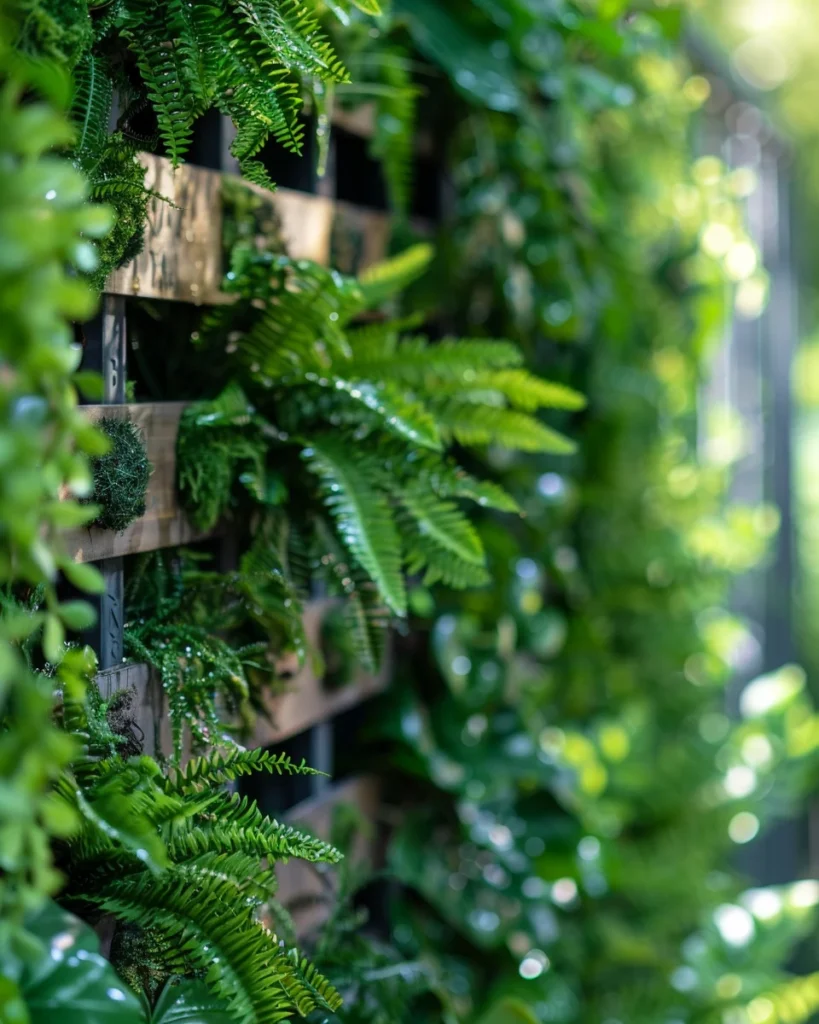
How to Grow a Vertical Garden with Pallets: Transform Small Spaces into Productive Growing Areas
Intro for how to grow a vertical garden with pallets
A vertical pallet garden is an ingenious way to maximize growing space in small areas while recycling materials. By repurposing wooden shipping pallets into upright growing structures, you can cultivate herbs, vegetables, and flowers in a fraction of the space a traditional garden requires. Vertical pallet gardens are perfect for urban dwellers, those with limited yard space, or gardeners looking to add visual interest to walls, fences, or patios. These space-saving gardens improve air circulation around plants, reduce pest problems, make harvesting easier, and create stunning living walls that can transform bland spaces into lush, productive growing areas.
When to plant how to grow a vertical garden with pallets
The best time to establish your vertical pallet garden depends on what you plan to grow. For most temperate regions, spring is ideal after the last frost has passed and soil temperatures reach 10-15°C (50-60°F). In warmer Mediterranean or subtropical climates (US Zones 8-10), you can set up your pallet garden in early spring or fall. For cool-season crops like lettuce and spinach, early spring and fall are optimal, while warm-season plants like tomatoes and peppers should be planted after all frost danger has passed. The pallet structure itself can be assembled year-round, but plants should only be added when appropriate for your climate and the specific plants you’ve chosen.
Best time to plant how to grow a vertical garden with pallets
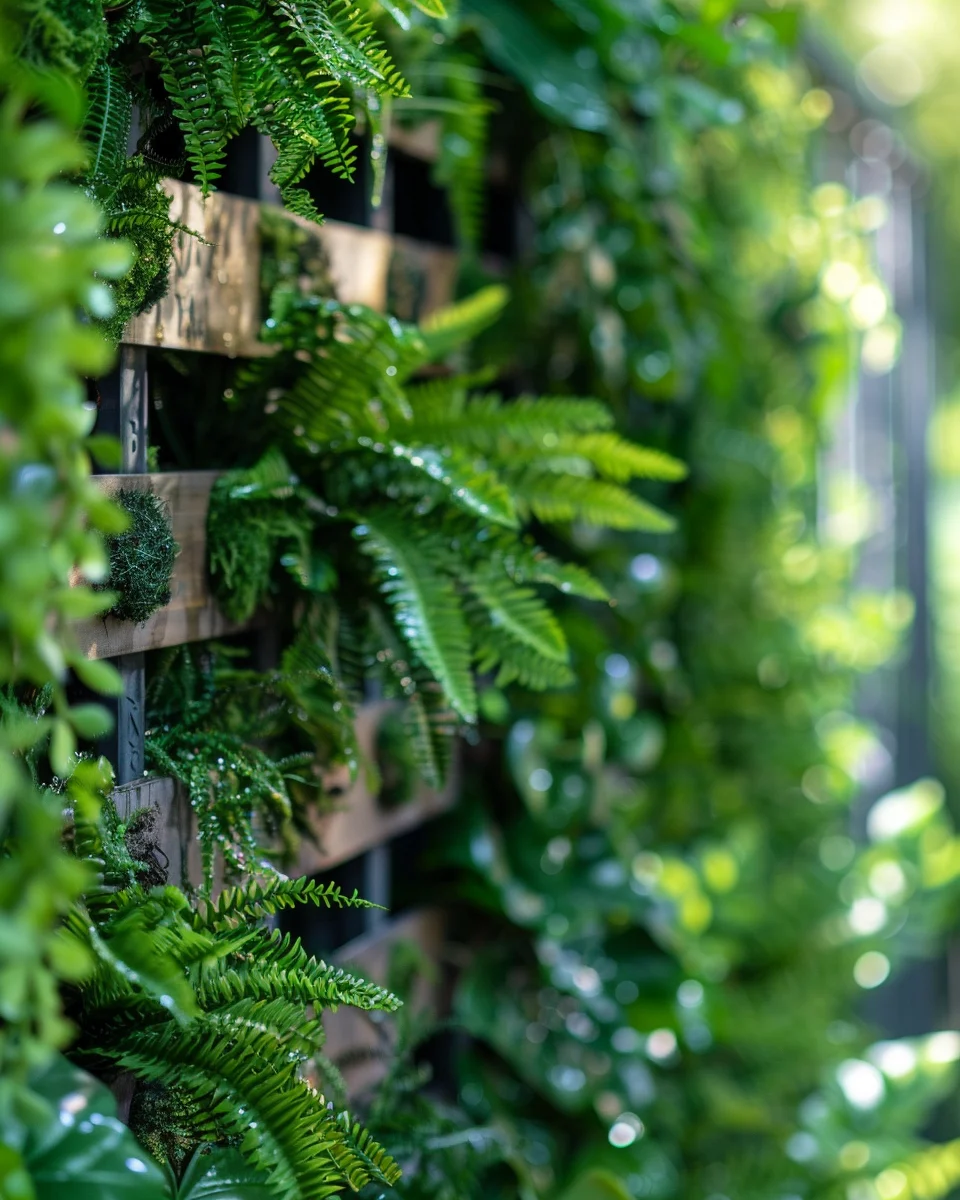
In cool temperate regions (UK, Northern US, Zones 3-6), prepare and plant your pallet garden from mid-April to June. For warm temperate areas (US Zones 7-9), March to May is ideal for spring planting, with a second opportunity in September for fall crops. Mediterranean climates allow for February to April spring planting and September to October fall planting. For direct sowing seeds, wait until soil temperatures in the pallet pockets reach the minimum germination temperature for your chosen plants. If using transplants, harden them off for a week before planting in the pallet to reduce transplant shock. Allow 2-3 weeks for plants to establish root systems in a horizontal position before moving the pallet to its vertical position.
Best how to grow a vertical garden with pallets varieties to grow
- Herbs – Compact varieties like Greek oregano, French thyme, and trailing rosemary thrive in the shallow pockets of pallet gardens and cascade beautifully.
- Lettuce – ‘Little Gem’ and ‘Red Sails’ varieties are perfect for pallet growing due to their compact size and shallow root systems.
- Strawberries – ‘Alpine’ or ‘Everbearing’ varieties work exceptionally well in vertical structures and produce fruit throughout the growing season.
- Succulents – Sedums, echeverias, and sempervivums are drought-tolerant and create stunning living tapestries in sunny locations.
- Trailing flowers – Calibrachoa, lobelia, and alyssum cascade beautifully from pallet pockets and attract beneficial pollinators.
- Shallow-rooted vegetables – Radishes, green onions, and leaf lettuces thrive in the limited soil depth of pallet pockets.
- Compact tomatoes – ‘Tiny Tim’ or ‘Tumbling Tom’ varieties are specially bred for container and vertical growing.
How to plant how to grow a vertical garden with pallets
Materials needed:
- 1 heat-treated wooden pallet (look for “HT” stamp, avoid chemically-treated pallets)
- Landscape fabric or weed barrier cloth
- Heavy-duty staple gun and staples
- Hammer and nails or screws and drill
- Sandpaper (medium grit)
- Quality potting soil (not garden soil)
- Plants or seeds
- Garden gloves and safety glasses
Step-by-step instructions:
- Inspect your pallet for splinters, protruding nails, or damaged boards; sand rough edges and repair or replace broken slats as needed.
- Decide which side will be the front (typically the side with more closely spaced slats) and which will be the back (the side that will attach to a wall).
- Cut landscape fabric to size, allowing extra to wrap around edges, and staple it securely to the back, bottom, and sides of the pallet to create planting pockets.
- Reinforce the corners and any weak spots with additional staples or small nails to ensure the fabric can hold soil weight.
- Lay the pallet flat on the ground with the front facing up and begin filling the pockets with potting soil, tamping gently to remove air pockets.
- Plant your chosen varieties in each pocket, starting from the bottom row and working upward, spacing plants according to their mature size needs.
- Water thoroughly but gently, allowing excess water to drain through the landscape fabric.
- Keep the pallet horizontal for 2-3 weeks to allow plants to establish root systems before moving to a vertical position.
- When ready, carefully move the pallet to its permanent location and secure it firmly to a wall, fence, or other stable structure.
How to grow how to grow a vertical garden with pallets
Vertical pallet gardens typically need 4-6 hours of sunlight daily, though requirements vary by plant type. Position sun-loving plants like herbs and strawberries in the upper rows, and shade-tolerant varieties in lower sections. Water frequently as pallet gardens dry out faster than ground beds—check moisture levels daily during hot weather and water when the top inch of soil feels dry. Install a drip irrigation system with emitters at each pocket for consistent moisture. Feed plants with a diluted liquid organic fertilizer every 2-3 weeks during the growing season, as nutrients leach quickly from the limited soil volume. For container-specific growing, use a lightweight, high-quality potting mix with water-retaining polymers to prevent rapid drying. Mulch the top of each pocket with a thin layer of compost to retain moisture and slowly release nutrients. Prune regularly to maintain plant size and prevent overcrowding in the limited space.
Caring for how to grow a vertical garden with pallets
Regular maintenance of your pallet garden includes checking for loose staples or fabric, tightening wall attachments, and rotating the pallet occasionally if one side receives more sun. Common pests include aphids (treat with insecticidal soap spray), spider mites (increase humidity by misting), and slugs (place copper tape around pallet edges). Watch for powdery mildew in humid conditions—improve air circulation and apply neem oil as needed. Root rot can occur from overwatering—ensure proper drainage and allow soil to dry slightly between waterings. Harvest herbs and leafy greens by taking outer leaves first to encourage continued production. For strawberries and other fruits, harvest when fully colored and slightly soft to touch. Most herbs can be dried or frozen for storage, while vegetables should be used fresh or preserved according to specific requirements. Refresh soil in pockets annually by carefully removing plants, adding fresh potting mix, and replanting or replacing with new varieties.
Understanding bolting in how to grow a vertical garden with pallets
Bolting refers to the premature flowering and seed production in leafy vegetables and herbs, making them bitter and less productive. In vertical pallet gardens, plants may bolt more quickly due to temperature fluctuations and stress factors. The primary triggers include sudden temperature increases (especially when the pallet is against a sun-warmed wall), extended daylight hours in summer, and water stress from inconsistent irrigation. To prevent bolting, choose bolt-resistant varieties like ‘Slobolt’ lettuce or ‘Perpetual’ spinach for your pallet garden. Position your pallet to avoid afternoon sun during hot months or provide shade cloth protection. Maintain consistent moisture levels with regular checking and watering. If plants begin to bolt, harvest immediately for one last use, then replace with heat-tolerant varieties or wait for cooler weather to replant.
Why does how to grow a vertical garden with pallets turn bitter?
- Heat stress – Plants in pallets against walls can experience extreme temperature fluctuations; move pallet to a cooler location or provide afternoon shade.
- Water stress – Inconsistent watering in the limited soil volume causes bitterness; install a drip irrigation system for consistent moisture.
- Nutrient imbalance – Limited soil in pallet pockets can quickly become depleted; feed regularly with balanced organic fertilizer.
- Overcrowding – Plants competing for resources in tight pallet pockets develop stress-induced bitterness; thin plants to recommended spacing.
- Age – Many greens naturally become bitter as they mature; harvest leaves when young and tender, and succession plant for continuous harvests.
Companion planting for how to grow a vertical garden with pallets
Strategic companion planting in your pallet garden can maximize space and improve plant health. Pair herbs like basil with tomatoes to improve flavor and repel insects. Plant nasturtiums in lower pockets to attract aphids away from your vegetables while adding edible flowers to your harvest. Combine shallow-rooted plants like lettuce with deeper-rooted herbs to utilize different soil depths. Marigolds planted throughout the pallet help deter nematodes and other pests with their strong scent. Avoid planting mint with other herbs as it will quickly dominate pallet pockets and can be invasive. Don’t combine plants with vastly different water needs in adjacent pockets, as this makes proper irrigation difficult. Keep heavy feeders like tomatoes separate from light feeders to prevent nutrient competition in the limited soil space.
Seasonal calendar
- January-February: Plan your pallet garden design, obtain and prepare pallets, order seeds.
- March: Start seeds indoors for warm-season crops, prepare soil mix, repair and reinforce existing pallets.
- April: Plant cool-season crops directly in pallets, prepare irrigation systems, apply slow-release fertilizer.
- May: Plant heat-loving varieties after frost danger passes, install pallets in their vertical positions.
- June-August: Regular watering (potentially twice daily during heat waves), weekly feeding, continuous harvesting, pest monitoring.
- September: Plant fall crops in cooler regions, refresh soil in some pockets, harvest summer crops.
- October: Protect tender plants from early frosts, harvest remaining summer crops, plant cold-hardy varieties.
- November-December: In mild climates, maintain cool-season crops; in cold regions, harvest remaining plants and prepare pallets for winter protection.
Problems & solutions
| Problem | Quick Fix |
|---|---|
| Pallet garden too heavy to move | Use lightweight potting mix with perlite; install wheels on bottom for mobility before planting. |
| Soil washing out during watering | Line pockets with coffee filters before adding soil; water gently with shower nozzle or drip irrigation. |
| Plants drying out too quickly | Add water-retaining crystals to soil mix; install drip irrigation with timer; mulch surface of each pocket. |
| Uneven growth (top plants thrive, bottom struggle) | Rotate pallet periodically; place shade-tolerant plants in lower pockets; ensure bottom pockets receive adequate water. |
| Pallet wood rotting | Seal wood with plant-safe wood preservative before planting; ensure proper drainage; replace individual slats as needed. |
| Landscape fabric tearing under weight | Use commercial-grade landscape fabric; double-layer in stress points; reinforce with additional staples. |
| Wall damage from moisture | Install a waterproof barrier between pallet and wall; leave air gap for circulation; check and adjust irrigation to prevent overflow. |
Common questions about growing how to grow a vertical garden with pallets
Q: How often should I water my pallet garden?
A: Check moisture daily by inserting your finger 1-2 inches into the soil. Most pallet gardens need watering every 1-2 days during warm weather and less frequently during cool periods. Plants in upper pockets typically need more water than those at the bottom.
Q: Can I grow root vegetables in a pallet garden?
A: Small root vegetables like radishes and baby carrots can grow in deeper pallet pockets (at least 15 cm/6 inches deep). Standard pallets are generally too shallow for larger root crops like potatoes or full-sized carrots.
Q: How much weight can a pallet garden hold?
A: A standard pallet can support 100-200 kg (220-440 lbs) when properly secured, but it’s best to use lightweight potting mix and avoid overplanting to keep the total weight manageable for your wall or support structure.
Q: Can I grow a pallet garden indoors?
A: Yes, with proper lighting. Use grow lights positioned 15-30 cm (6-12 inches) from plants for 12-16 hours daily. Choose a location with a waterproof floor or use a drip tray, as drainage will occur during watering.
Q: How long will my pallet garden last?
A: With proper preparation and maintenance, a wooden pallet garden can last 2-4 years before the wood begins to deteriorate. Extend lifespan by using heat-treated pallets, applying non-toxic wood sealer, and keeping the structure elevated slightly off the ground.
Q: Can I grow a pallet garden in partial shade?
A: Yes, choose shade-tolerant plants like lettuce, spinach, ferns, hostas, and impatiens. Most herbs and vegetables need at least 4 hours of direct sunlight, but many ornamental plants thrive in shadier conditions.
Q: How do I winterize my pallet garden?
A: In mild climates, plant cold-hardy varieties and continue growing. In regions with freezing winters, harvest remaining plants, empty soil from pockets (or cover with plastic to prevent waterlogging), and store the pallet in a protected area or cover with weatherproof tarp until spring.