
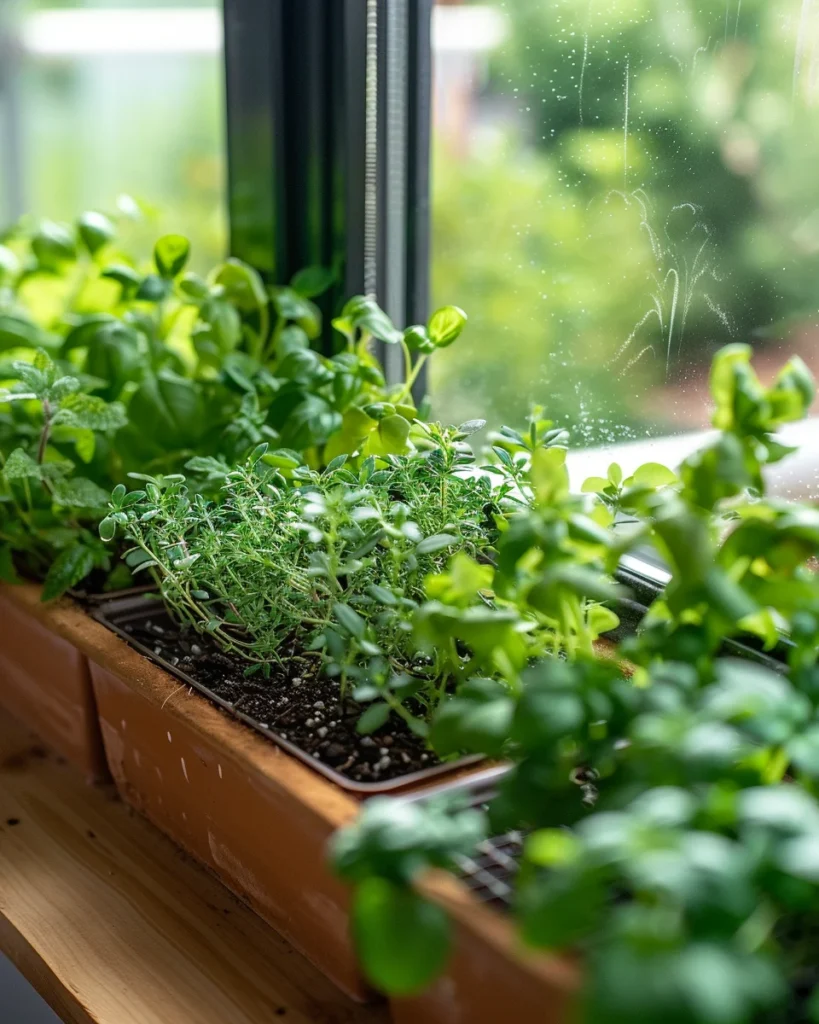
How to Grow a Kitchen Counter Herb Garden: Best Varieties, Planting Tips & Year-Round Care
Intro for how to grow herb garden on a kitchen counter
A kitchen counter herb garden brings the freshest flavors right to your fingertips while adding living beauty to your home. These compact gardens require minimal space yet deliver maximum culinary impact, allowing you to snip fresh herbs whenever cooking inspiration strikes. Indoor herb gardens thrive in most homes regardless of outdoor growing conditions, making them perfect for year-round cultivation. Beyond their practical benefits, counter herbs purify indoor air and provide aromatic therapy through their essential oils. With proper planning and care, even beginners can maintain a productive herb collection that transforms everyday cooking into something extraordinary.
When to plant how to grow herb garden on a kitchen counter
The beauty of a kitchen counter herb garden is that seasonal restrictions largely disappear. Indoor herbs can be started any time of year, though natural light levels vary seasonally. For optimal growth when using primarily natural light, initiate your garden in early spring (March-April) when daylight hours increase. If using supplemental grow lights, timing becomes irrelevant. Indoor temperatures should remain between 18-24°C (65-75°F) for most culinary herbs. Unlike outdoor gardens, frost concerns are eliminated, though drafty windowsills in winter may create cold spots that slow growth. Most herbs prefer soil temperatures around 21°C (70°F) for germination, easily achieved in a warm kitchen environment.
Best time to plant how to grow herb garden on a kitchen counter
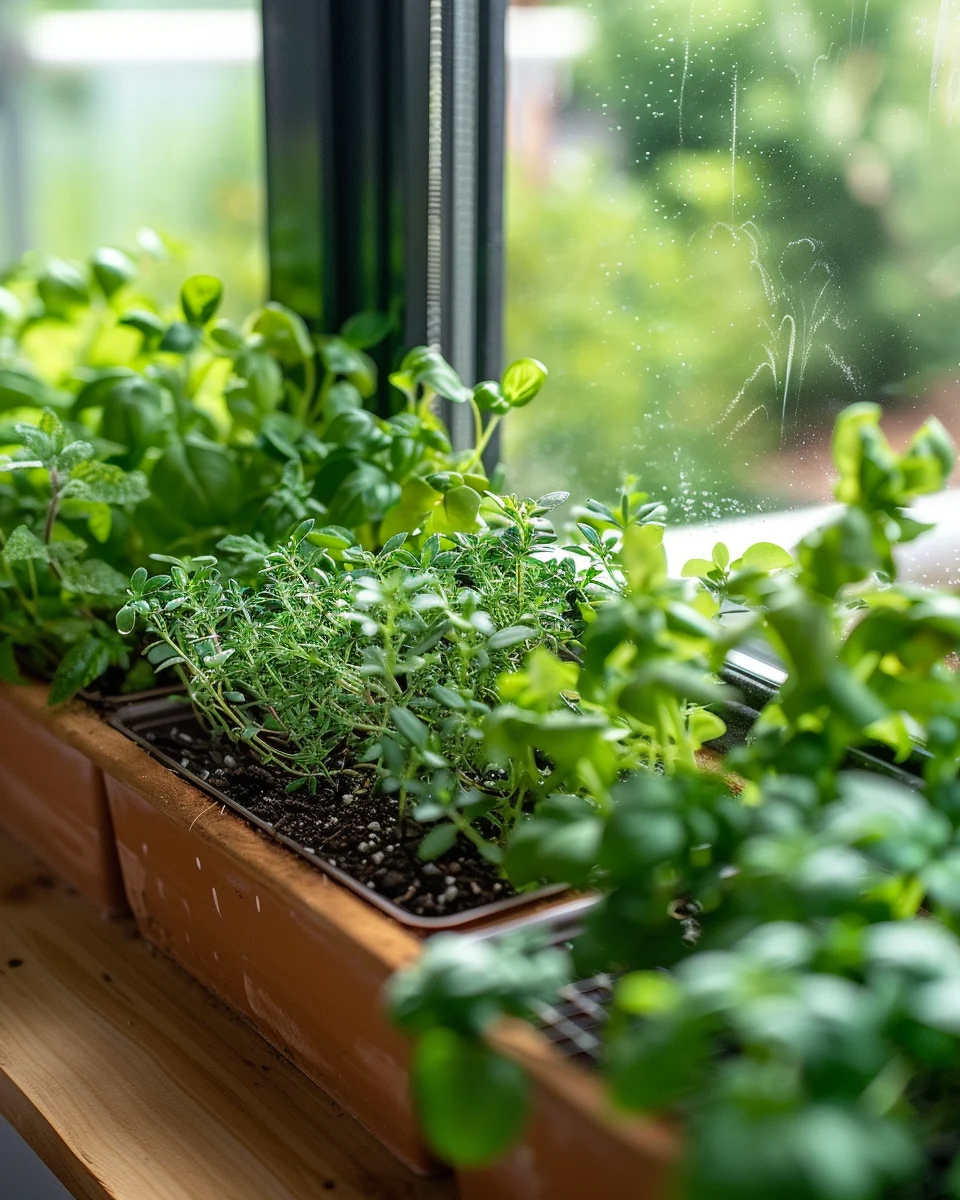
For kitchen counter gardens using natural light, the optimal planting window is February through April in temperate regions, when increasing daylight supports robust growth. In warmer southern regions, you might delay until March to avoid excessive heat from south-facing windows. For northern areas with limited winter light, consider starting in January with supplemental lighting. Pre-grown seedlings from garden centers can be transplanted year-round, offering immediate results. Direct sowing seeds works best in spring and summer when natural light is strongest. For continuous harvests, stagger plantings every 3-4 weeks, particularly with faster-growing herbs like cilantro and basil.
Best how to grow herb garden on a kitchen counter varieties to grow
- Spicy Globe Basil – Compact, bushy growth habit perfect for containers with intense flavor in small leaves.
- Greek Oregano – Excellent container variety with strong flavor that thrives in drier conditions.
- Fernleaf Dill – Dwarf variety reaching only 18 inches, ideal for indoor growing with delicate fronds.
- Genovese Basil – Classic Italian variety with large, aromatic leaves perfect for pesto and Mediterranean dishes.
- English Thyme – Low-growing, drought-tolerant herb that adapts well to container life with minimal care.
- Cilantro ‘Slow Bolt’ – Bred to resist flowering in warm conditions, extending harvest period significantly.
- Mint ‘Moroccan’ – Less aggressive than common mint with excellent flavor for teas and cocktails.
- Chives ‘Grolau’ – Specifically bred for indoor growing with excellent winter production and mild onion flavor.
How to plant how to grow herb garden on a kitchen counter
Materials needed:
- Containers (4-6 inches/10-15 cm deep with drainage holes)
- Saucers or trays to catch water
- High-quality potting mix specifically for containers
- Herb seeds or seedlings
- Small watering can with gentle spray
- Plant markers or labels
- Optional: grow light for low-light kitchens
Step-by-step planting:
- Select containers that complement your kitchen decor while providing adequate drainage; ceramic, terracotta, or recycled containers all work well.
- Place a layer of small stones or broken pottery pieces at the bottom of each container to improve drainage.
- Fill containers with potting mix to about 1 inch (2.5 cm) below the rim, gently tapping to settle without compacting.
- For seedlings: create a hole slightly larger than the root ball, place plant at the same depth it was growing previously, and firm soil gently around roots.
- For seeds: follow packet instructions for depth (generally 2-3 times the seed diameter), sprinkle smaller seeds on surface or create shallow furrows for larger seeds.
- Water thoroughly until moisture appears from drainage holes, using a gentle stream to avoid displacing seeds.
- Place containers in their permanent position, considering light requirements for each herb.
- Add plant markers to identify each herb, especially important when plants are young.
- For seed-grown herbs, cover containers with plastic wrap to maintain humidity until germination, then remove promptly.
- Group herbs with similar water and light requirements together for easier maintenance.
How to grow how to grow herb garden on a kitchen counter
Sunlight is crucial for kitchen herbs – most need at least 4-6 hours of bright light daily. South or west-facing windows typically provide ideal conditions. If natural light is insufficient, supplement with full-spectrum grow lights positioned 6-12 inches (15-30 cm) above plants for 12-14 hours daily. Water herbs when the top inch (2.5 cm) of soil feels dry, typically every 3-5 days depending on humidity and container size. Always water at soil level to keep foliage dry and prevent disease. Feed herbs monthly with half-strength liquid organic fertilizer during active growth periods (spring/summer), reducing to quarterly in winter. Regularly pinch growing tips to encourage bushier growth, especially with basil, mint, and oregano. Rotate containers weekly to ensure even growth as plants naturally lean toward light sources. For container specifics, use pots at least 6 inches (15 cm) deep for most herbs, with individual containers for aggressive spreaders like mint. Ensure excellent drainage by selecting containers with holes and using well-draining potting mix.
Caring for how to grow herb garden on a kitchen counter
Maintain your counter garden with weekly inspections for pests, particularly aphids and spider mites that thrive in indoor conditions. At first sign of infestation, isolate affected plants and treat with insecticidal soap or neem oil spray. Prevent powdery mildew, common in low-circulation environments, by improving airflow with a small fan and avoiding overhead watering. Regularly harvest herbs by cutting stems just above a leaf node to encourage branching – even if you don’t need the herbs, regular trimming promotes bushier growth. Most herbs benefit from harvesting up to one-third of the plant at once. For storage, refrigerate cut stems in water like flowers for short-term use, or freeze chopped herbs in ice cube trays with water or olive oil for longer preservation. Periodically refresh your herb garden by replacing plants that become woody or less productive, typically every 6-12 months for perennial herbs like rosemary and thyme.
Understanding bolting in how to grow herb garden on a kitchen counter
Bolting occurs when herbs prematurely produce flowering stems, causing leaves to become smaller and often bitter. In kitchen counter gardens, the primary triggers include temperature fluctuations (especially heat from nearby cooking appliances), insufficient light causing stress, or simply the plant reaching maturity. Herbs like cilantro, dill, and basil are particularly prone to bolting. Prevent premature flowering by maintaining consistent temperatures between 18-24°C (65-75°F), keeping plants away from heat sources like toasters or coffee makers, and harvesting regularly to signal the plant to continue leaf production. If bolting begins, immediately pinch off flower buds to redirect energy to leaf growth. For chronic bolters like cilantro, consider succession planting every few weeks to maintain a continuous supply. Once a plant has fully bolted, the flavor typically changes, but you can collect the seeds for future planting or culinary use.
Why does how to grow herb garden on a kitchen counter turn bitter?
- Insufficient light – Herbs stretching toward light sources produce fewer essential oils; move to brighter location or add supplemental lighting.
- Age of plant – Older leaves naturally contain more concentrated compounds; harvest regularly and use younger growth for milder flavor.
- Heat stress – Temperatures above 27°C (80°F) trigger defensive compounds; move plants away from heat-generating appliances.
- Flowering/bolting – Once herbs begin flowering, leaf flavor changes; pinch flower buds immediately when they appear.
- Nutrient imbalance – Excessive nitrogen fertilizer causes rapid, bitter growth; switch to balanced, half-strength fertilizer applied less frequently.
Companion planting for how to grow herb garden on a kitchen counter
Beneficial companions:
- Basil and parsley grow well together, sharing similar water and light requirements while enhancing each other’s growth.
- Chives planted near parsley help deter aphids through their natural sulfur compounds.
- Thyme and rosemary make excellent companions as both prefer drier conditions and similar light levels.
- Mint and oregano can coexist if given adequate space, with similar moderate water needs.
- Cilantro and dill support each other with comparable growing cycles and water requirements.
Avoid planting together:
- Mint should be isolated from other herbs as its aggressive root system will quickly dominate shared containers.
- Basil and rue should be separated as they inhibit each other’s growth through chemical interactions.
- Sage can negatively impact nearby herbs through growth-inhibiting compounds it releases.
Seasonal calendar
- January-February: Plan herb garden layout; start seeds indoors under grow lights; clean and sanitize containers from previous seasons.
- March-April: Ideal time to establish new kitchen counter gardens; transplant seedlings; begin regular feeding schedule; increase watering as growth accelerates.
- May-June: Peak growth period; harvest regularly; watch for increased water needs; provide shade from intense afternoon sun if needed.
- July-August: Monitor for heat stress; increase watering frequency; harvest abundantly; start new batches of quick-growing herbs like basil and cilantro.
- September-October: Reduce fertilizing schedule; begin transitioning to fall care routines; harvest and preserve excess herbs.
- November-December: Adjust for reduced natural light; move plants to brightest windows; reduce watering as growth slows; supplement with grow lights if needed.
Problems & solutions
| Problem | Quick Fix |
|---|---|
| Leggy, stretched plants | Increase light exposure; pinch back regularly to encourage branching; rotate plants weekly. |
| Yellowing leaves | Check for overwatering; ensure proper drainage; reduce fertilizer if soil appears crusty. |
| White powdery coating on leaves | Improve air circulation with a small fan; spray with diluted neem oil; isolate affected plants. |
| Tiny insects on stems/leaves | Spray with insecticidal soap; wipe leaves with damp cloth; introduce beneficial insects like ladybugs. |
| Herbs dying after initial success | Repot with fresh soil; check for root binding; ensure proper container size for mature plants. |
| Mold on soil surface | Reduce watering frequency; remove affected soil layer; add thin layer of sand or small pebbles on soil surface. |
| Brown leaf tips | Increase humidity with pebble tray under containers; move away from heating vents; check for salt buildup in soil. |
Common questions about growing how to grow herb garden on a kitchen counter
How often should I water my kitchen counter herbs?
Water when the top inch (2.5 cm) of soil feels dry to the touch, typically every 3-5 days depending on humidity, container size, and season. Always check soil moisture rather than following a strict schedule, as indoor conditions vary significantly.
Can I grow herbs with just my kitchen window light?
South or west-facing windows providing 4-6 hours of direct sunlight can support most herbs. For north-facing or limited light situations, supplement with grow lights or focus on shade-tolerant herbs like mint, parsley, and chives.
What size containers work best for counter herbs?
Use containers at least 6 inches (15 cm) deep with a similar diameter, providing adequate room for root development. Larger herbs like rosemary and sage benefit from 8-10 inch (20-25 cm) containers, while smaller herbs like thyme can thrive in 4-inch (10 cm) pots.
How close together can I plant different herbs?
In shared containers, space plants according to mature size, generally 4-6 inches (10-15 cm) apart. Better results often come from grouping herbs with similar water and light requirements in separate containers.
Will my indoor herbs survive if my kitchen gets very warm while cooking?
Most herbs tolerate brief temperature increases during cooking, but consistent heat above 27°C (80°F) can stress plants. Position herbs away from stoves, ovens, and small appliances that generate significant heat.
How often should I harvest my kitchen herbs?
Regular harvesting promotes bushier growth and extended productivity. Harvest up to one-third of the plant once it reaches 6-8 inches (15-20 cm) tall, cutting just above leaf nodes to encourage branching.
Do I need to repot my kitchen herbs?
Most herbs benefit from repotting with fresh soil every 6-12 months as nutrients deplete and roots fill containers. Watch for slowed growth, roots emerging from drainage holes, or water running straight through without being absorbed as signs repotting is needed.