
How to Grow Living Mulches Between Rows: Enhance Your Garden’s Health and Productivity
Intro for living mulches between rows
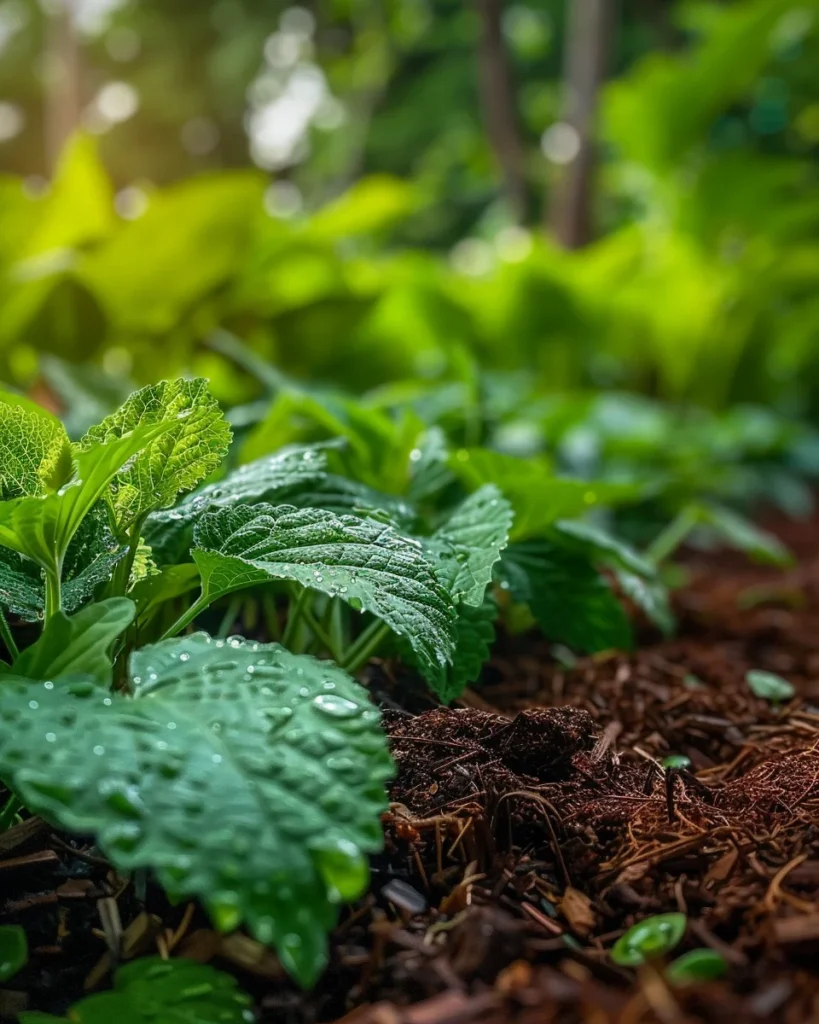
Living mulches are low-growing plants intentionally planted between rows of primary crops to cover and protect the soil. Unlike traditional mulches made of wood chips or straw, living mulches are active participants in your garden ecosystem. They suppress weeds, prevent soil erosion, add organic matter, and can even fix nitrogen. Living mulches create habitat for beneficial insects, improve soil structure, and reduce the need for irrigation. This approach mimics natural ecosystems where bare soil is rare, making your garden more resilient and productive while reducing maintenance. Perfect for both vegetable gardens and ornamental beds, living mulches transform unused spaces into productive, beautiful, and ecologically valuable areas.
When to plant living mulches between rows
The ideal time to establish living mulches depends on your primary crops and climate zone. In general, plant living mulches when soil temperatures reach 10-15°C (50-59°F). In temperate regions, this typically means spring or early fall. For summer crops like tomatoes or peppers, establish living mulches 2-3 weeks after planting your main crop to prevent competition. In cooler regions (UK, US Zones 3-6), spring planting works best, while in warmer areas (US Zones 7-10, Mediterranean), fall planting allows living mulches to establish before summer heat. Avoid planting during frost periods or extreme heat, as young seedlings are vulnerable to both.
Best time to plant living mulches between rows
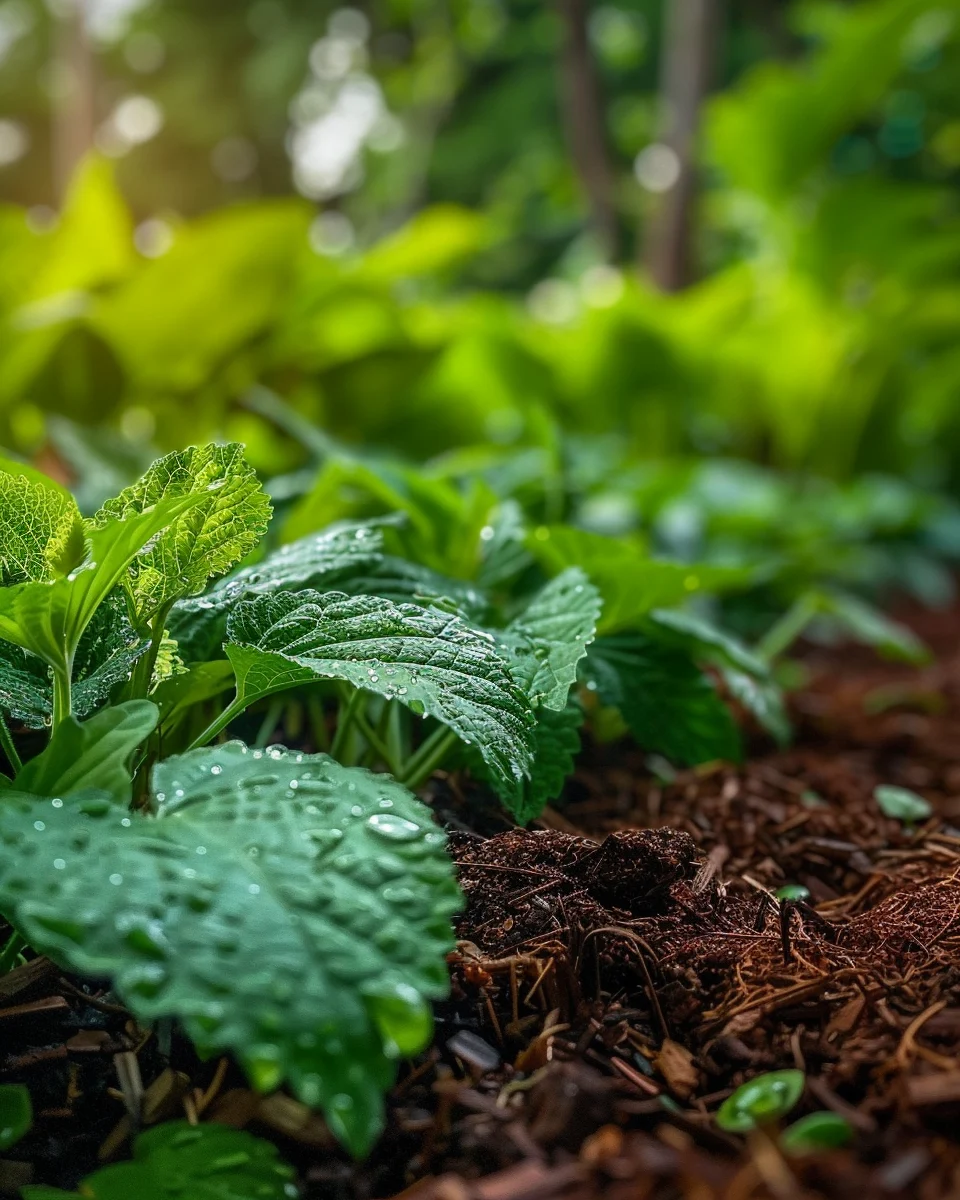
In cool-temperate regions (UK, northern US), plant living mulches from April to early June or from late August to September. For warm-temperate areas (southern US, Mediterranean), the optimal windows are March to April or September to October. Direct sowing works well for most living mulch species, though some like clover benefit from being started 2-3 weeks before transplanting. For winter gardens, plant cold-hardy living mulches like winter rye or hairy vetch in early fall (September-October) to provide coverage through winter. For summer gardens, spring planting (March-May) of heat-tolerant species like cowpeas or buckwheat offers the best establishment before summer heat intensifies.
Best living mulches between rows varieties to grow
- White Clover (Trifolium repens) – Low-growing perennial that fixes nitrogen and tolerates light foot traffic, perfect between widely spaced vegetables.
- Creeping Thyme (Thymus serpyllum) – Aromatic, drought-tolerant groundcover that attracts pollinators and deters some pests with its strong scent.
- Buckwheat (Fagopyrum esculentum) – Fast-growing annual that suppresses weeds, attracts beneficial insects, and can be easily cut down to create instant mulch.
- Dwarf Red Clover (Trifolium pratense) – Nitrogen-fixing biennial with beautiful pink flowers that attracts pollinators and improves soil fertility.
- Alyssum (Lobularia maritima) – Self-seeding annual with tiny white flowers that attracts beneficial insects and has a shallow root system that won’t compete with crops.
- Hairy Vetch (Vicia villosa) – Cold-hardy nitrogen-fixer that’s excellent for fall planting and winter coverage in vegetable gardens.
- Dutch White Clover – Extra-dwarf clover variety that stays under 15 cm (6 inches) tall, making it ideal for pathways and between closely spaced crops.
How to plant living mulches between rows
Materials needed:
- Living mulch seeds (clover, alyssum, etc.)
- Rake or hand cultivator
- Compost or seed-starting mix
- Watering can with fine rose or spray nozzle
- Row markers or string line
- Seed inoculant (for legumes like clover)
- Light mulch material (optional)
Step-by-step planting:
- Wait until your main crops are established (usually 2-3 weeks after planting) to prevent competition from the living mulch.
- Lightly cultivate the soil between rows to a depth of 1-2 cm (½-¾ inch), removing any existing weeds.
- For legumes like clover, coat seeds with appropriate inoculant to ensure nitrogen fixation.
- Mix small seeds with sand or fine compost for more even distribution (1:4 ratio of seed to carrier).
- Broadcast seeds evenly between rows, aiming for the recommended seeding rate (usually indicated on seed packets).
- Lightly rake to incorporate seeds into the top 0.5-1 cm (¼-½ inch) of soil.
- Water gently but thoroughly using a fine spray to avoid washing away seeds.
- For very small seeds like alyssum, consider applying a very thin layer of compost over the seeded area.
- Keep the soil consistently moist until seedlings are established (usually 7-14 days).
- Mark the areas where living mulch is planted to avoid disturbing them during other garden activities.
How to grow living mulches between rows
Most living mulches thrive in full to partial sunlight, though some like sweet woodruff can tolerate shade. Water newly established living mulches regularly until roots develop, then reduce to match the needs of your main crops. Most living mulches require minimal fertilization—in fact, over-fertilizing can cause them to grow too vigorously and compete with main crops. For leguminous living mulches like clover, no nitrogen fertilizer is needed as they fix their own. Apply a light organic mulch around newly sown areas to retain moisture until seedlings establish. Trim or mow taller living mulches like buckwheat when they reach 15-20 cm (6-8 inches) to prevent seed formation and competition. For container gardens, choose shallow-rooted living mulches like alyssum or creeping thyme, and ensure containers are at least 30 cm (12 inches) deep to accommodate both main crops and living mulches.
Caring for living mulches between rows
Maintain living mulches by trimming them back when they encroach on main crops or grow taller than 10-15 cm (4-6 inches). Use hand pruners or scissors for small areas, or a string trimmer for larger spaces. Watch for slugs and snails, which may hide in the living mulch; control them with diatomaceous earth barriers or evening collection. If powdery mildew appears on living mulches during humid weather, improve air circulation by thinning plants and avoid overhead watering. Some living mulches like clover may attract aphids; this can actually draw beneficial insects that will help control aphids on your main crops. Harvest living mulches like thyme or oregano by cutting stems just above a leaf node to encourage bushier growth. Most living mulches can be left in place at season’s end to protect soil through winter, then incorporated in spring as green manure.
Understanding bolting in living mulches between rows
Bolting refers to a plant’s sudden shift from vegetative growth to flowering and seed production. In living mulches, bolting is often desirable for self-seeding varieties like alyssum but may be problematic for others. Heat is the primary trigger for bolting in many living mulches, particularly in cool-season plants like spinach when used as living mulch. Drought stress can accelerate bolting, so maintain consistent soil moisture during hot periods. Photoperiod (day length) triggers bolting in some species, especially those planted in early spring that flower as days lengthen. To prevent unwanted bolting, choose varieties suited to your season, trim flowering stems before seed formation, and ensure adequate water. If bolting occurs, you can either remove the flowering plants completely, cut them back to encourage new growth, or allow them to set seed for natural reseeding depending on your garden plan.
Why does living mulches between rows turn bitter?
- Heat stress – Extended periods above 30°C (86°F) can cause bitterness in leafy living mulches; provide afternoon shade or choose heat-tolerant varieties.
- Maturity/bolting – Many plants develop bitter compounds as they mature and prepare to flower; regular trimming keeps growth young and tender.
- Drought – Insufficient water causes plants to concentrate bitter compounds; maintain consistent soil moisture.
- Variety selection – Some varieties naturally contain more bitter compounds; choose varieties bred for culinary use if you plan to harvest your living mulch.
- Soil mineral imbalance – Excessive nitrogen or deficient potassium can increase bitterness; conduct a soil test and amend accordingly.
Companion planting for living mulches between rows
Good companions:
- Brassicas (cabbage, broccoli) – Benefit from clover living mulches that fix nitrogen and deter cabbage worms.
- Tomatoes – Thrive with basil or alyssum living mulches that repel pests and attract pollinators.
- Fruit trees – Benefit from clover or creeping thyme that suppress grass and provide habitat for beneficial insects.
- Carrots – Grow well with low-growing chamomile that improves flavor and deters carrot fly.
- Corn – Partners excellently with bean living mulches that fix nitrogen and utilize corn stalks for support.
Avoid planting near:
- Onions and garlic – These shallow-rooted crops compete poorly with most living mulches; keep mulch plants at least 15 cm (6 inches) away.
- Direct-seeded small seeds – Radishes, carrots, and other tiny seeds may struggle to emerge through established living mulches; wait until these crops are established before planting living mulches.
- Aggressive spreaders – Avoid mint as a living mulch as it can quickly overtake garden beds and become invasive.
Seasonal calendar
- January-February: Plan living mulch strategy; order seeds; incorporate previous season’s living mulch residue into soil.
- March: Direct sow cold-tolerant living mulches like field peas in warmer regions; start clover indoors in cooler regions.
- April: Plant clover and other perennial living mulches as soil warms; trim overwintered living mulches.
- May: Establish warm-season living mulches like buckwheat after danger of frost; trim established living mulches around transplants.
- June: Direct sow heat-loving living mulches like cowpeas; trim spring-planted living mulches to prevent competition.
- July-August: Maintain living mulches with regular trimming; water during dry periods; harvest edible living mulches.
- September: Plant fall/winter living mulches like hairy vetch or winter rye; trim summer living mulches.
- October: Final planting of cold-hardy living mulches; incorporate spent summer living mulches as green manure.
- November-December: Allow living mulches to protect soil through winter; plan next season’s living mulch strategy.
Problems & solutions
| Problem | Quick Fix |
|---|---|
| Living mulch growing too tall/vigorous | Trim to 5-7 cm (2-3 inches) height with scissors or string trimmer; choose less aggressive varieties next time. |
| Living mulch invading main crop space | Create a 10-15 cm (4-6 inch) buffer zone around main crops; use hand tools to maintain clear boundaries. |
| Poor germination of living mulch | Ensure good seed-to-soil contact; water more frequently until established; consider pre-soaking larger seeds. |
| Increased slug/snail damage | Apply diatomaceous earth barriers; set up beer traps; hand-pick in evenings; consider copper tape barriers. |
| Living mulch dying in hot weather | Choose heat-tolerant species; provide temporary shade; increase watering frequency; mulch around living mulch plants. |
| Main crops showing nutrient deficiency | Increase spacing between main crop and living mulch; apply targeted fertilizer to main crops; choose less competitive living mulch varieties. |
| Living mulch becoming weedy/reseeding everywhere | Deadhead before seed formation; choose sterile varieties; use annual types that won’t overwinter in your climate. |
Common questions about growing living mulches between rows
Q: How often should I water newly planted living mulches?
A: Keep soil consistently moist until seedlings establish (usually 7-14 days), then reduce to 2-3 times weekly depending on rainfall and temperature. Once established, most living mulches need minimal supplemental watering except during drought.
Q: How much sunlight do living mulches need?
A: Most living mulches perform best with at least 4-6 hours of sunlight daily. Some varieties like white clover and sweet alyssum can tolerate partial shade, while others like buckwheat and cowpeas require full sun to thrive.
Q: Can I grow living mulches in raised beds or containers?
A: Yes, but choose shallow-rooted varieties like alyssum or creeping thyme, and ensure containers are at least 30 cm (12 inches) deep. In raised beds, maintain a 10-15 cm (4-6 inch) buffer between living mulches and main crops to reduce competition.
Q: What’s the proper spacing between living mulches and main crops?
A: For most vegetables, maintain 10-15 cm (4-6 inches) between living mulches and crop stems. For larger plants like tomatoes or corn, you can reduce this to 5-7 cm (2-3 inches). For small, direct-seeded crops like carrots, wait until they’re established before introducing living mulches.
Q: Are living mulches cold-hardy?
A: It depends on the variety. Perennial types like white clover can survive to -20°C (-4°F), while annuals like buckwheat will die with the first frost. For winter coverage, choose cold-hardy options like hairy vetch, winter rye, or field peas which can survive temperatures down to -12°C (10°F).
Q: How often should I trim living mulches?
A: Trim whenever they exceed 10-15 cm (4-6 inches) in height or begin to encroach on main crops. During peak growing season, this might mean trimming every 2-3 weeks. Flowering types should be trimmed after bloom if you don’t want them to self-seed.
Q: Can I eat my living mulches?
A: Many living mulches are edible, including herbs like thyme and oregano, greens like purslane and miner’s lettuce, and flowers like nasturtium and viola. Ensure you’ve chosen edible varieties and haven’t applied any treatments unsafe for consumption.