
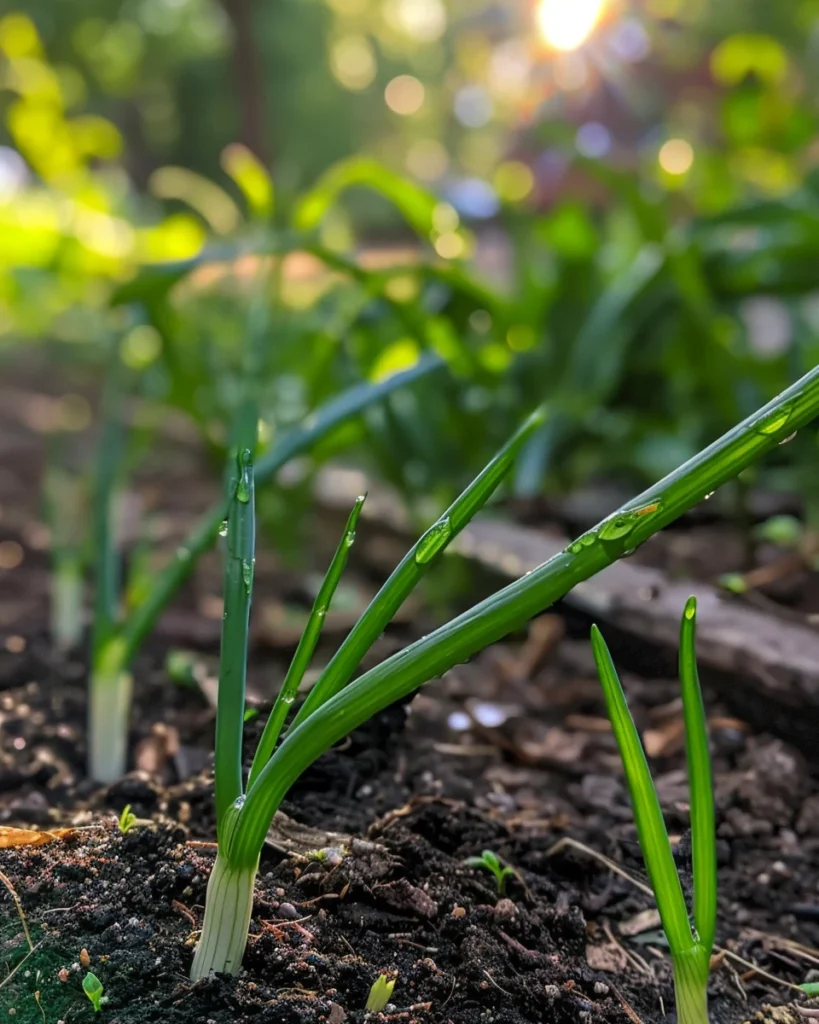
How to Grow Green Onions from Kitchen Scraps: Easy Regrowth, Best Methods & Care Tips
Intro for growing green onions from kitchen scraps
Green onions (also called scallions or spring onions) are one of the easiest vegetables to regrow from kitchen scraps, making them perfect for sustainable gardening. This simple process allows you to harvest fresh green onions repeatedly from the same plants, saving money and reducing waste. Green onions thrive in most temperate climates and can be grown year-round indoors or seasonally outdoors. With minimal space requirements and quick results—new growth appears within days—regrowing green onions from scraps is an ideal project for beginners and experienced gardeners alike. The mild, fresh flavor of homegrown green onions enhances countless dishes and provides a continuous supply of this versatile herb.
When to plant green onions from kitchen scraps
Green onions from kitchen scraps can be planted year-round indoors, regardless of climate. For outdoor growing, plant after the last frost when soil temperatures reach at least 10°C (50°F). In temperate regions, you can start the regrowth process any time between early spring and late summer. Green onions are frost-sensitive but can tolerate light frosts once established. For continuous harvests, start new batches every 2-3 weeks. In warmer regions (US Zones 8-10 or UK mild areas), outdoor planting can extend through fall and even winter in frost-free locations.
Best time to plant green onions from kitchen scraps
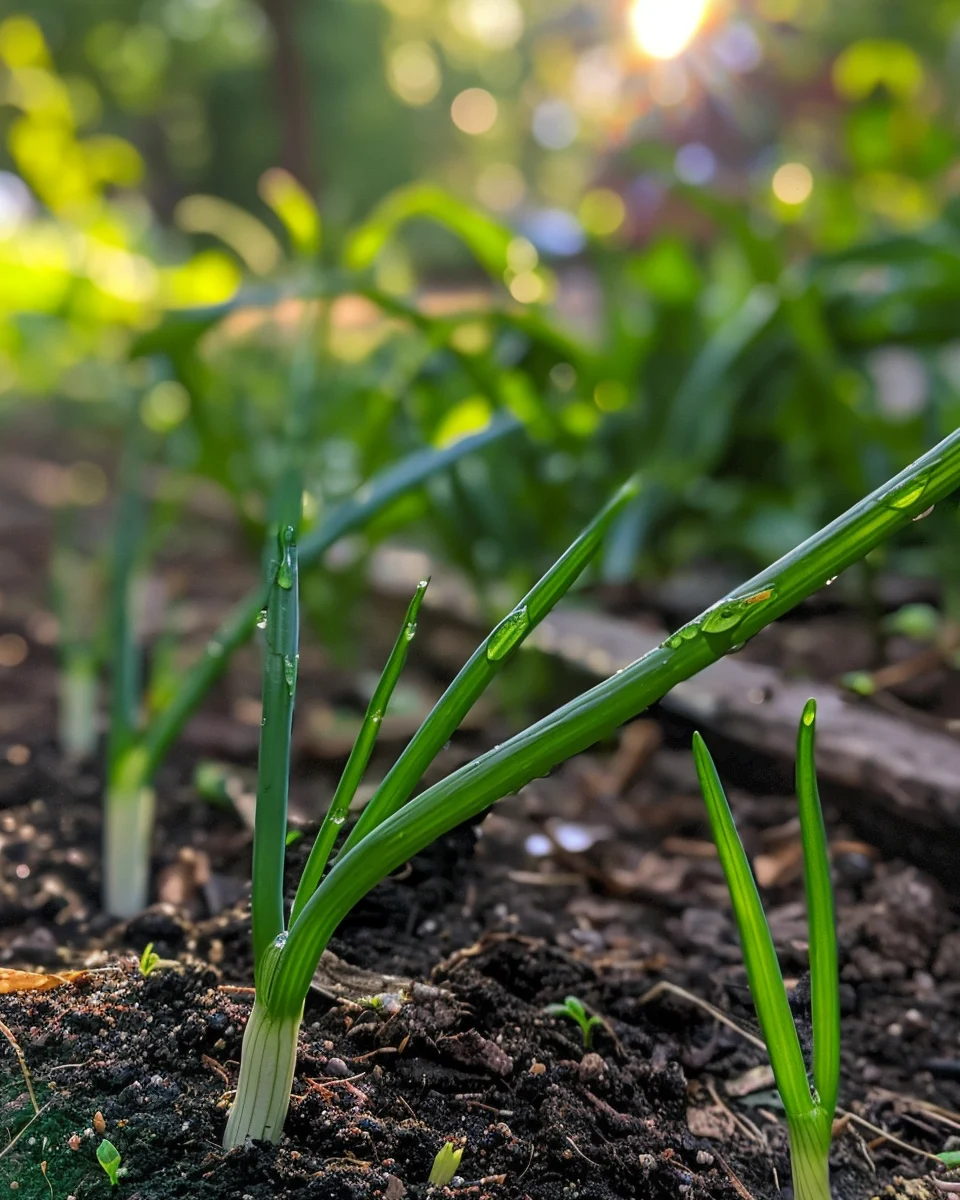
In cool temperate regions, the optimal window for outdoor planting is mid-spring through early summer (April-June in the Northern Hemisphere). For warm climate areas, early spring (March-April) and fall (September-October) provide ideal growing conditions, avoiding the intense summer heat that can cause stress. Indoor regrowth can begin anytime, making it possible to have fresh green onions year-round. For direct soil planting outdoors, wait until 2-3 weeks after the last frost date in your area. Transplanting rooted green onion scraps outdoors is best done on cloudy days to minimize transplant shock.
Best green onion varieties to grow from scraps
- White Lisbon – Fast-growing with excellent regrowth potential and mild flavor, perfect for beginners.
- Evergreen Bunching – Exceptionally good at regrowing multiple times with consistent flavor throughout regrowth cycles.
- Tokyo Long White – Produces long white stems that regrow well and maintain quality through multiple harvests.
- Red Beard – Distinctive reddish stems that add color to dishes and regrow reliably from scraps.
- Parade – Heat-tolerant variety that resists bolting and continues producing through warm weather.
- Ishikura – Japanese variety with long white stems that regrows exceptionally well in containers.
- Guardsman – Disease-resistant variety that maintains vigor through multiple regrowth cycles.
How to plant green onions from kitchen scraps
Materials needed:
- Green onion bottoms with roots attached (2-3 cm/1 inch of white part)
- Small container or glass of water (for water method)
- Potting soil (for soil method)
- Small pot with drainage holes (for soil method)
- Scissors or sharp knife
- Spray bottle for misting
Step-by-step planting:
- Save the root end of store-bought green onions, leaving about 2-3 cm (1 inch) of the white part attached to the roots.
- Trim the green tops, leaving just a small portion above the white part (optional, as most store-bought ones are already trimmed).
- Water method: Place the root ends in a small glass or jar with enough water to cover the roots but leave the tops exposed (about 1 cm/½ inch of water).
- Position the container on a bright windowsill but out of direct, intense sunlight.
- Change the water every 1-2 days to prevent bacterial growth and provide fresh oxygen.
- Soil method: Fill a small pot with moistened potting soil.
- Plant the root ends about 1.5 cm (½ inch) deep, spacing multiple scraps about 5 cm (2 inches) apart.
- Water gently until soil is evenly moist but not soggy.
- Place in a location that receives at least 4-6 hours of indirect sunlight daily.
- For outdoor planting, choose a spot with well-draining soil and partial to full sun.
How to grow green onions from kitchen scraps
Green onions need at least 4-6 hours of sunlight daily, though they can tolerate partial shade in hot climates. For water-grown scraps, change the water every 1-2 days to prevent stagnation. Once new growth appears (usually within 3-5 days), you can transfer water-grown onions to soil for longer-term growth. For soil-grown onions, keep the soil consistently moist but not waterlogged. Water when the top 1 cm (½ inch) of soil feels dry.
Fertilize lightly every 2-3 weeks with a diluted liquid fertilizer (half the recommended strength). A light application of compost tea works well for organic gardening. Apply a thin layer of fine mulch around soil-grown plants to retain moisture and suppress weeds. Green onions grow well in containers at least 15 cm (6 inches) deep with good drainage. For continuous harvests, only cut what you need, leaving at least 2.5 cm (1 inch) of growth above the soil line to encourage regrowth.
Caring for green onions from kitchen scraps
Monitor soil moisture regularly, especially during hot weather when more frequent watering may be needed. Watch for yellowing tips, which often indicate overwatering or nutrient deficiency. Common pests include onion thrips (tiny insects that cause silvery streaks) and aphids; treat with insecticidal soap or a strong spray of water to dislodge them. Onion rust may appear as orange-brown spots on leaves; remove affected parts and improve air circulation.
Harvest green onions when they reach 15-20 cm (6-8 inches) tall by cutting the green parts about 2.5 cm (1 inch) above soil level to allow regrowth. Each plant can typically be harvested 3-4 times before quality diminishes. Store freshly cut green onions wrapped in a damp paper towel in the refrigerator for up to a week. For longer storage, chop and freeze them in an airtight container.
Understanding bolting in green onions from kitchen scraps
Bolting is when green onions produce a flowering stalk, making the stems tough and flavor more bitter. The primary triggers are temperature fluctuations, especially hot weather above 27°C (80°F), and long daylight hours (photoperiod). Stress factors like drought, poor nutrition, or crowded conditions can accelerate bolting. To prevent bolting, provide consistent moisture, partial shade during hot afternoons, and harvest regularly to encourage vegetative growth.
If your green onions do bolt, you have options: harvest immediately before the flavor changes significantly, allow some plants to flower to attract beneficial insects and potentially collect seeds, or remove the flower stalk as soon as it appears to redirect energy back to leaf production. Bolted plants won’t return to their previous quality, so it’s often best to start fresh scraps for regrowth.
Why does green onion from kitchen scraps turn bitter?
- Age of regrowth – After 3-4 regrowth cycles, the plant exhausts its reserves; solution: start fresh scraps every few weeks.
- Bolting/flowering – Causes bitterness as the plant redirects energy; solution: harvest before flowering stems appear.
- Heat stress – High temperatures trigger defensive compounds; solution: provide afternoon shade in hot weather.
- Nutrient deficiency – Particularly nitrogen shortage; solution: apply diluted liquid fertilizer every 2-3 weeks.
- Water stress – Inconsistent watering causes stress responses; solution: maintain even soil moisture.
Companion planting for green onions from kitchen scraps
Good companions:
- Carrots – Green onions repel carrot flies, while carrots deter onion flies.
- Tomatoes – Green onions help deter tomato hornworms and improve tomato flavor.
- Lettuce – The shallow roots of both plants make them compatible container companions.
- Strawberries – Green onions help repel pests that attack strawberries.
- Beets – Different root depths mean they can share space efficiently without competing.
- Chamomile – Improves the flavor of onions and helps strengthen their growth.
Avoid planting near:
- Beans and peas – Onion family plants can inhibit growth of legumes.
- Asparagus – Green onions may stunt asparagus growth.
- Sage – Both compete for similar nutrients and can inhibit each other’s growth.
Seasonal calendar
- January-February: Start indoor water or soil regrowth; maintain existing indoor plants.
- March-April: Begin outdoor planting in warm regions; continue indoor growing in cooler areas; start succession plantings every 2-3 weeks.
- May-June: Plant outdoors in all but the coldest regions; harvest first regrowth from early plantings; fertilize established plants.
- July-August: Provide shade in hot regions; continue succession planting; harvest regularly; watch for bolting in heat.
- September-October: Plant fall crops in warm regions; begin moving some containers indoors in cooler areas; final outdoor harvests in cold regions.
- November-December: Focus on indoor regrowth in most regions; harvest indoor plants; prepare for spring by collecting kitchen scraps.
Problems & solutions
| Problem | Quick Fix |
|---|---|
| Yellowing tips | Check watering (likely overwatering); ensure proper drainage; apply diluted liquid fertilizer. |
| Slow regrowth | Increase light exposure; ensure water is changed regularly; apply weak fertilizer solution. |
| Floppy stems | Increase light; reduce watering slightly; ensure plants aren’t overcrowded. |
| Rotting roots | Change water more frequently; ensure root base isn’t completely submerged; transfer to soil. |
| Aphids or thrips | Spray with insecticidal soap or strong water jet; introduce ladybugs for outdoor plants. |
| Mold on soil surface | Improve air circulation; reduce watering; remove affected soil layer and replace. |
| Diminishing yields | Start fresh scraps; existing plants are likely exhausted after 3-4 harvests. |
Common questions about growing green onions from kitchen scraps
Q: How often should I water green onions grown in soil?
A: Water when the top 1 cm (½ inch) of soil feels dry, typically every 2-3 days in warm weather and less frequently in cool conditions. Consistent moisture without waterlogging is key.
Q: Can I grow green onions from scraps in winter?
A: Yes, green onions can be grown indoors year-round on a sunny windowsill. Growth may be slower in winter due to reduced light, but they will still produce new greens.
Q: What size container do I need for growing green onions from scraps?
A: A container at least 15 cm (6 inches) deep with drainage holes works well. Width depends on quantity—allow 5 cm (2 inches) spacing between plants.
Q: How many times can I harvest from the same green onion scraps?
A: Typically 3-4 harvests before quality diminishes. After that, it’s best to start with fresh scraps for better flavor and vigor.
Q: Do green onions need full sun?
A: They prefer 4-6 hours of sunlight daily but can tolerate partial shade, especially in hot climates where afternoon shade is beneficial.
Q: Can I grow green onions from scraps in water indefinitely?
A: While possible for several weeks, quality diminishes over time. For long-term growth, transfer to soil after roots develop for better nutrition and more harvests.
Q: How do I know when my regrown green onions are ready to harvest?
A: Harvest when new growth reaches 15-20 cm (6-8 inches) tall, typically 2-3 weeks after planting scraps. Always leave at least 2.5 cm (1 inch) above the soil line for regrowth.