
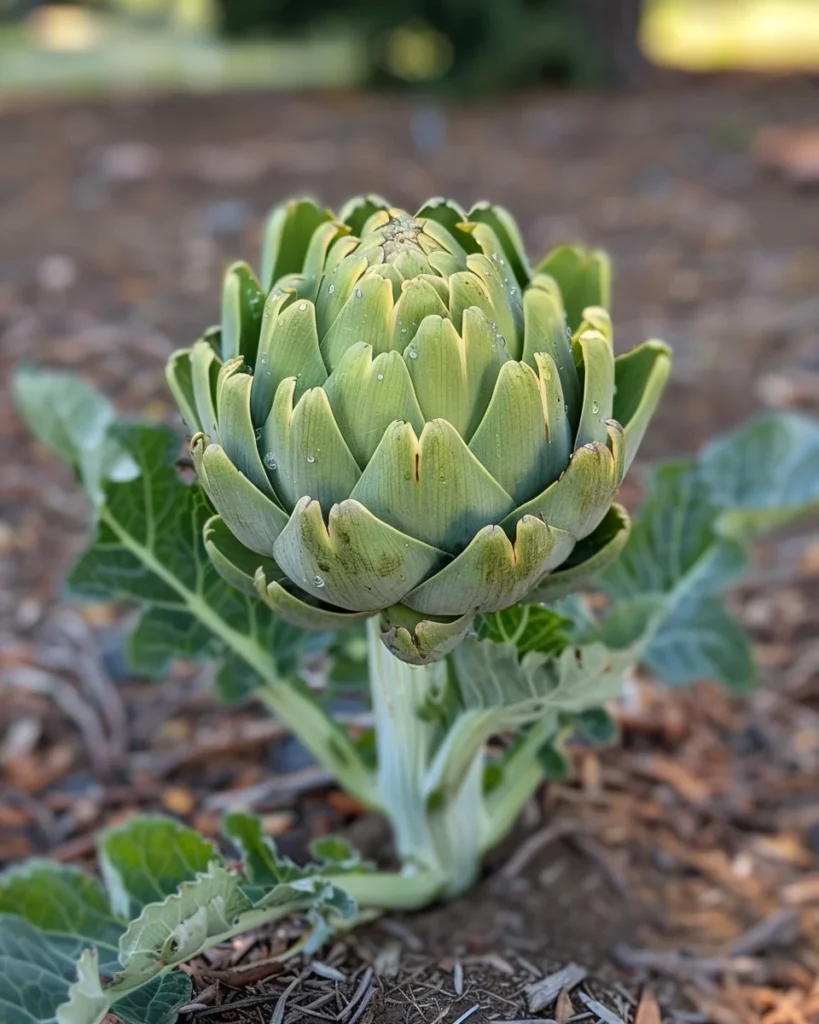
How to Grow Artichokes in Cold Climates: When to Plant, Best Varieties & Winter Protection
Intro for growing artichokes in cold climates
Artichokes (Cynara scolymus) are typically Mediterranean perennials that thrive in mild winters and cool summers, but with the right techniques, cold-climate gardeners can enjoy these architectural beauties too. These striking plants produce edible flower buds with tender hearts and delicious base leaves that are rich in antioxidants, fiber, and vitamins. While traditionally grown in USDA zones 7-10, newer cold-hardy varieties and specialized growing methods make it possible to cultivate artichokes in zones as cold as 5 with proper winter protection. Whether treated as annuals or overwintered perennials, artichokes bring both culinary delights and ornamental value to northern gardens.
When to plant artichokes in cold climates
In cold climates, timing is crucial for artichoke success. Start seeds indoors 8-10 weeks before your last spring frost date, when soil temperatures can be controlled. Artichoke seeds germinate best at 21-24°C (70-75°F). For overwintering in zones 5-6, plant in early spring after soil temperatures reach at least 10°C (50°F) to give plants maximum growing time before winter dormancy. In zones 7 and colder parts of zone 8, you can also plant in early fall, allowing plants to establish before winter but protecting them during freezing temperatures. Always wait until all danger of hard frost has passed before transplanting seedlings outdoors.
Best time to plant artichokes in cold climates
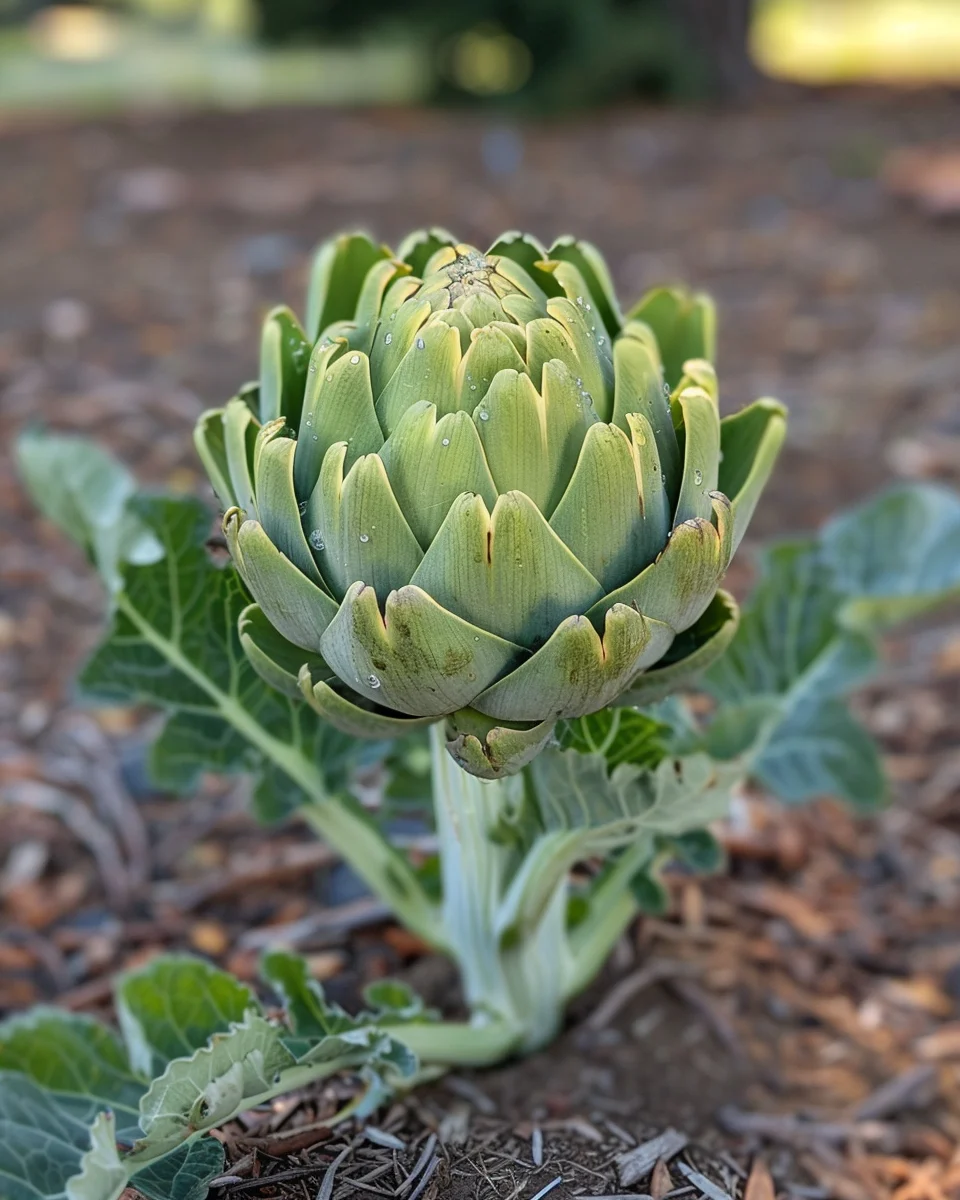
For cold northern regions (zones 3-5), start seeds indoors in February to early March for transplanting in May. In cool temperate regions (zones 6-7), start seeds in January to February for April transplanting, or direct sow in April after soil has warmed. For transitional regions (zone 8), you have two options: start seeds in February for April planting as annuals, or plant in September for overwintering as perennials. When growing artichokes as annuals in cold climates, you’ll need to artificially vernalize young plants by exposing 5-week-old seedlings to temperatures of 7-10°C (45-50°F) for 10-14 days to trigger bud formation in their first year.
Best artichoke varieties to grow in cold climates
- Imperial Star – Bred specifically for annual production in cold climates, producing buds in the first year without vernalization.
- Emerald – Excellent cold hardiness to zone 6 with protection; compact growth habit makes it suitable for container growing.
- Green Globe – Classic variety with excellent flavor that can be grown as an annual in cold regions.
- Violetto – Purple-headed Italian variety with better cold tolerance than many green varieties, surviving to -10°C (14°F) with protection.
- Northern Star – Developed in Canada specifically for cold hardiness, surviving winters to zone 5 with proper mulching.
- Colorado Star – Bred for high-altitude growing conditions with good cold tolerance and drought resistance.
- Opera – Early-maturing variety that’s ideal for short-season northern gardens when grown as an annual.
How to plant artichokes in cold climates
Materials needed:
- Artichoke seeds or transplants
- Compost or well-rotted manure
- Balanced organic fertilizer
- Mulch (straw, leaves, or bark)
- Row covers or frost blankets
- Winter protection materials (straw, leaves, burlap)
- pH testing kit
Step-by-step planting:
- Select a planting site with full sun and excellent drainage; consider raised beds in areas with heavy soil or poor drainage.
- Test soil pH and adjust to 6.5-7.5, the ideal range for artichokes.
- Prepare soil by incorporating 10-15cm (4-6in) of compost to improve fertility and drainage.
- Dig planting holes 45-60cm (18-24in) apart in rows spaced 90-120cm (36-48in) apart.
- Add a handful of balanced organic fertilizer to each planting hole and mix with soil.
- Plant seedlings at the same depth they were growing in their containers.
- Water thoroughly after planting, ensuring the root zone is completely moistened.
- Apply 5-8cm (2-3in) of mulch around plants, keeping it away from stems to prevent rot.
- Install row covers if late frosts are still possible in your area.
- For container planting, select pots at least 60cm (24in) deep and wide to accommodate the extensive root system.
How to grow artichokes in cold climates
Artichokes need full sun (6-8 hours daily) in cold climates to maximize growth during shorter growing seasons. Water deeply and consistently, providing 2.5-5cm (1-2in) of water weekly, adjusting for rainfall. Maintain even soil moisture, as drought stress can trigger premature flowering or bitter buds. Feed monthly with balanced organic fertilizer during the growing season, switching to a lower-nitrogen formula when buds begin forming. Apply a thick 10-15cm (4-6in) mulch layer to regulate soil temperature and conserve moisture.
For container growing, use 60-75cm (24-30in) diameter pots with excellent drainage. Container plants will need more frequent watering and feeding. In late summer, reduce watering slightly to help plants harden off before winter. For overwintering in zones 5-6, cut plants back to 20-30cm (8-12in) after the first hard frost, then cover with a thick layer of straw or leaves and a breathable fabric like burlap. In borderline zones, consider growing in containers that can be moved to protected areas during winter.
Caring for artichokes in cold climates
Monitor soil moisture carefully, especially during hot summer periods when plants may need additional water. Watch for aphids, which can cluster on young growth; control with strong water sprays or insecticidal soap. Slugs and snails may damage young plants; use organic baits or diatomaceous earth barriers. Powdery mildew can develop in humid conditions; improve air circulation and apply organic fungicides if needed.
Harvest artichoke buds when they reach full size but before bracts begin to open, cutting stems about 2.5cm (1in) below the bud. Primary buds will be largest; secondary buds will develop after the main bud is harvested. For overwintering, apply winter protection after the first hard frost but before the ground freezes solid. In spring, remove protection gradually as temperatures warm. Divide established plants every 3-4 years to maintain vigor, ideally in early spring just as new growth begins.
Understanding bolting in artichokes
Bolting in artichokes refers to premature flowering, which differs from normal bud production. When artichokes bolt, they quickly send up tall flower stalks, and the buds rapidly open into inedible purple thistle flowers. This is triggered by temperature fluctuations, particularly extended periods above 29°C (85°F) or below 10°C (50°F) during active growth. Drought stress and long day lengths can also induce bolting.
Prevent bolting by maintaining consistent soil moisture, providing afternoon shade during heat waves, and planting early enough to establish plants before summer heat. If bolting begins, harvest any usable buds immediately. While the opened flowers are no longer edible, they’re spectacular in the garden and valuable to pollinators, so you might choose to leave a few for ornamental purposes. For annual production in cold climates, controlled vernalization (cold treatment) of young plants actually helps trigger proper bud formation without full bolting.
Why does artichokes turn bitter?
- Heat stress – Extended temperatures above 29°C (85°F) can cause bitterness; provide afternoon shade or grow in partial shade in hot regions.
- Harvesting too late – Buds become increasingly bitter as they mature; harvest when buds are tight and firm.
- Drought conditions – Inconsistent watering leads to stress and bitterness; maintain even soil moisture with regular deep watering.
- Variety selection – Some varieties naturally have more bitter compounds; choose varieties noted for sweetness in cold climates.
- Soil nutrient imbalance – Excessive nitrogen can increase bitterness; use balanced fertilizers and avoid over-fertilizing.
Companion planting for artichokes
Good companions:
- Tarragon – Repels many common garden pests and may enhance artichoke flavor.
- Sunflowers – Attract pollinators and provide light shade during intense summer heat.
- Peas and beans – Fix nitrogen in soil, benefiting nitrogen-hungry artichokes.
- Calendula – Attracts beneficial insects and may deter some artichoke pests.
- Mint – Deters aphids (plant in containers to prevent spreading).
Avoid planting near:
- Potatoes – Compete for nutrients and can spread diseases to artichokes.
- Other large brassicas – Compete for space and nutrients.
- Jerusalem artichokes – Despite the similar name, these unrelated plants can create confusion at harvest and compete aggressively.
Seasonal calendar
- January-February: Start seeds indoors in cold climates; prepare overwintered plants for spring growth in milder areas.
- March: Continue indoor growing; gradually remove winter protection from overwintered plants as weather permits.
- April: Harden off seedlings; transplant outdoors in zones 7-8 after last frost; divide established plants.
- May: Transplant in zones 5-6 after danger of frost; apply first fertilizer; water regularly.
- June-July: Maintain consistent watering; apply second fertilizer; watch for pests.
- August: Harvest primary buds; continue harvesting secondary buds; reduce watering slightly to prepare for fall.
- September: Final harvests in northern zones; plant fall crop in zone 8; begin preparing for winter protection.
- October-November: Cut back plants after first hard frost; apply winter protection in zones 5-7.
- December: Ensure winter protection is secure; plan for next season; order seeds.
Problems & solutions
| Problem | Quick Fix |
|---|---|
| Plants not producing buds | Ensure plants received proper vernalization (cold period); check that growing season is long enough. |
| Winter dieback | Improve winter protection with deeper mulch, burlap wraps, and windbreaks; consider growing as annuals. |
| Small, tough buds | Increase watering consistency; ensure adequate fertilization; harvest earlier. |
| Aphid infestation | Spray with strong water jet; apply insecticidal soap; introduce ladybugs. |
| Powdery white patches on leaves | Improve air circulation; apply organic fungicide; remove severely affected leaves. |
| Plants falling over | Stake tall plants; ensure they’re planted deeply enough; protect from strong winds. |
| Yellowing leaves | Check for overwatering or poor drainage; apply balanced fertilizer; inspect for root problems. |
Common questions about growing artichokes in cold climates
Can artichokes really survive winter in zone 5?
Yes, with proper protection. Choose cold-hardy varieties like ‘Northern Star’ or ‘Violetto’, cut plants back after the first hard frost, then cover with 30cm (12in) of straw or leaves and a layer of burlap or row cover. In spring, remove protection gradually as temperatures warm.
How large a container do I need for growing artichokes?
Use containers at least 60-75cm (24-30in) in diameter and equally deep. Artichokes have extensive root systems, and smaller containers will restrict growth and yield. Ensure excellent drainage and use high-quality potting mix enriched with compost.
How do I get artichokes to produce buds in their first year?
Either choose varieties bred for annual production like ‘Imperial Star’, or artificially vernalize seedlings by exposing 5-week-old plants to temperatures of 7-10°C (45-50°F) for 10-14 days. This cold treatment tricks plants into thinking they’ve experienced winter, triggering bud formation.
How much sunlight do artichokes need in cold climates?
In cold northern climates, provide full sun (6-8 hours minimum). Unlike in hot regions where afternoon shade is beneficial, northern artichokes need maximum sun exposure to produce well during shorter growing seasons.
When should I harvest artichokes?
Harvest when buds are full-sized but still tight and compact, before the bracts (scales) begin to open. Cut stems about 2.5cm (1in) below the bud. The center bud matures first and will be largest; secondary buds will develop after the main bud is harvested.
Can I save artichoke seeds from my plants?
Yes, but allow selected buds to fully flower and mature until the purple flowers dry and produce fluffy seed heads. Collect seeds in dry weather and store in a cool, dry place. Note that hybrid varieties won’t grow true from saved seed.
How can I extend my artichoke harvest in a short growing season?
Start plants as early as possible indoors, use season extension techniques like row covers in spring and fall, and harvest promptly to encourage secondary bud development. Growing multiple varieties with different maturation times can also extend your harvest window.