
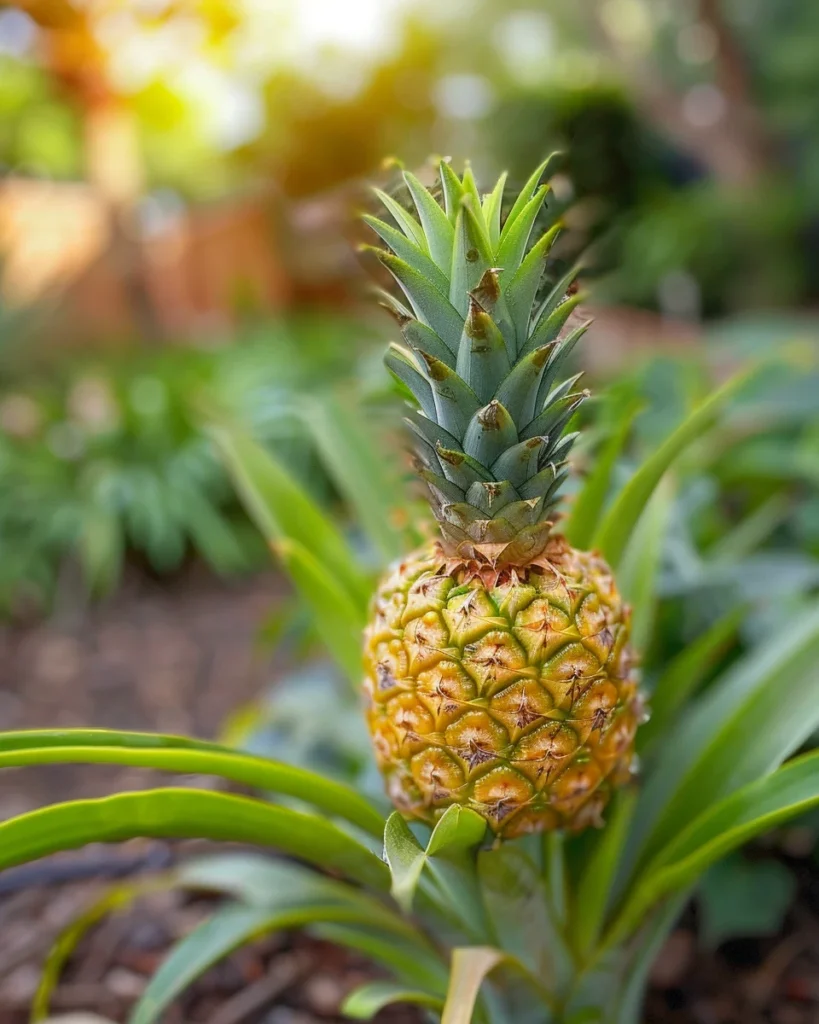
How to Grow Pineapple from Kitchen Scraps: A Complete Guide to Tropical Gardening at Home
Intro for how to grow pineapple from kitchen scraps
Growing pineapple from kitchen scraps is a rewarding project that transforms food waste into a striking tropical plant and, eventually, delicious homegrown fruit. The pineapple (Ananas comosus) is a bromeliad native to South America that can be grown indoors in any climate or outdoors in warmer regions (USDA zones 9-11). While commercial pineapples take 18-24 months to fruit, home-grown plants from scraps may take 2-3 years but require minimal care once established. This sustainable gardening project needs only basic materials, patience, and a sunny spot. Whether you’re looking to grow an unusual houseplant or harvest your own tropical fruit, pineapple plants offer ornamental value with their striking sword-like leaves and the potential for sweet, juicy rewards.
When to plant how to grow pineapple from kitchen scraps
Pineapple plants are tropical and require warm conditions to establish properly. In temperate regions, start your pineapple tops indoors any time of year, as they’ll be growing in controlled conditions. If you plan to move plants outdoors eventually, begin the rooting process in early spring to mid-summer when temperatures consistently stay above 18°C (65°F). Pineapples are frost-sensitive and will suffer damage at temperatures below 10°C (50°F). For outdoor planting in subtropical or tropical regions, the ideal soil temperature is between 21-29°C (70-85°F). In cooler climates, pineapples should remain as houseplants or be moved indoors before temperatures drop in autumn.
Best time to plant how to grow pineapple from kitchen scraps
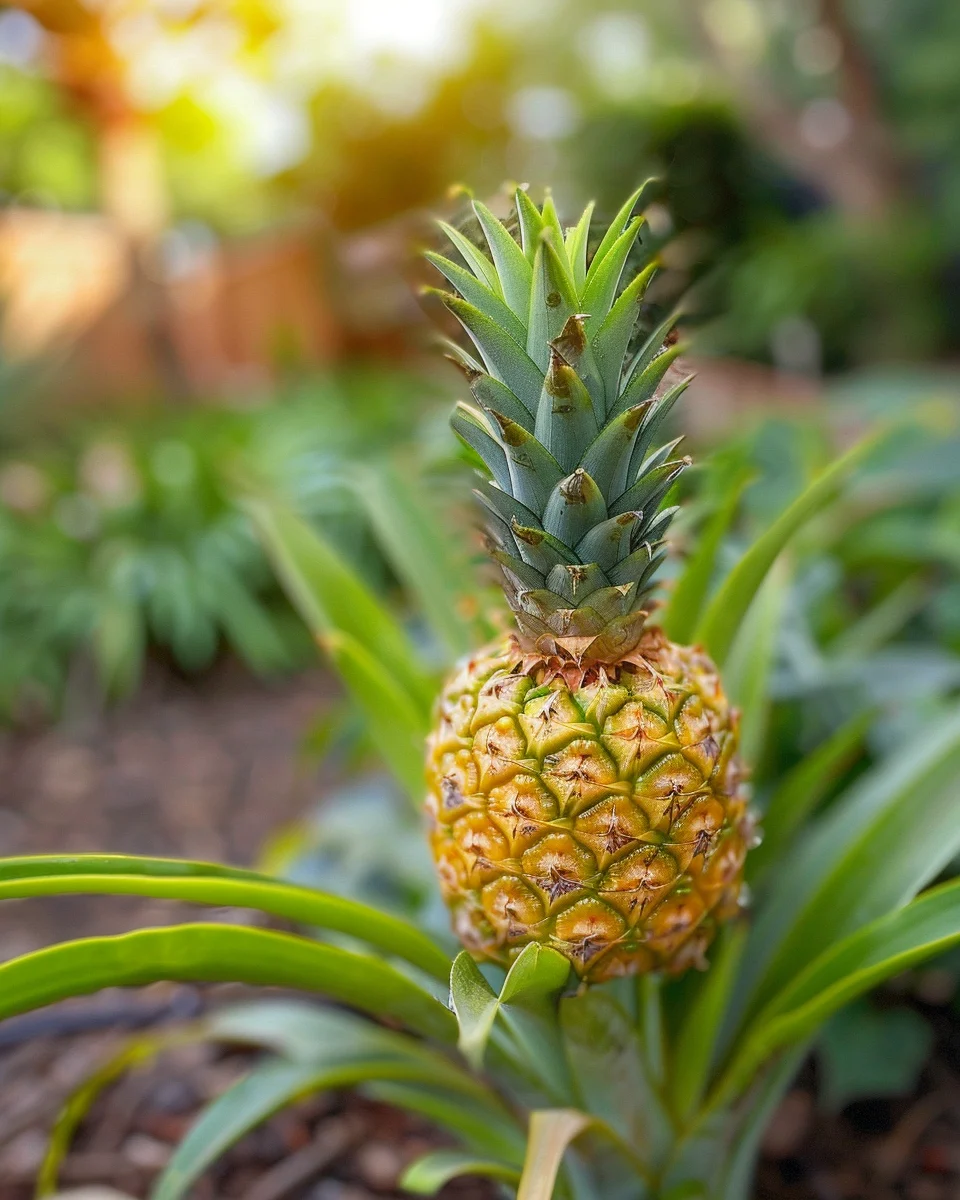
For warm climate regions (zones 9-11), plant rooted pineapple tops outdoors from late spring through summer (May-August in Northern Hemisphere). This gives plants time to establish before cooler winter temperatures arrive. For cool climate regions, start pineapple tops indoors any time, but preferably in spring (March-May) when increasing natural light supports stronger initial growth. If you’re starting the rooting process indoors for eventual transplanting, begin 8-10 weeks before your region’s last frost date. Container-grown pineapples can be started year-round in any climate as long as they’re kept in appropriate indoor conditions with adequate light and temperature.
Best how to grow pineapple from kitchen scraps varieties to grow
- Smooth Cayenne – The most common supermarket variety with low fiber content and excellent sweet-tart flavor, making it ideal for kitchen scrap propagation.
- Queen – Smaller fruit with exceptionally sweet, aromatic flesh and more cold tolerance than other varieties.
- Red Spanish – More disease-resistant with a squarish shape and deep gold flesh that’s less acidic than Cayenne.
- Abacaxi – Highly prized for its exceptional sweetness and rich flavor, though more challenging to find in stores.
- Sugarloaf – Pale-fleshed, very sweet variety with low acidity, excellent for indoor growing due to its more compact size.
- Singapore Spanish – Disease-resistant variety that produces well in container environments with consistent care.
How to plant how to grow pineapple from kitchen scraps
Materials needed:
- Fresh pineapple with healthy, green crown
- Sharp knife
- Glass or jar of water
- Well-draining potting mix (cactus/succulent mix works well)
- 15-20 cm (6-8 inch) pot with drainage holes
- Rooting hormone (optional)
Step-by-step planting process:
- Select a fresh pineapple with a healthy, green leafy top (avoid brown, dried-out crowns).
- Twist off the crown by firmly gripping the fruit in one hand and the crown in the other, then rotating in opposite directions until separation occurs.
- Trim away excess fruit flesh from the base of the crown, leaving the hard central core intact.
- Remove several bottom rows of leaves to expose about 2-3 cm (1 inch) of the stem base.
- Allow the cut end to dry for 2-3 days to prevent rotting when planted.
- Place the prepared crown in a glass of water with the stem submerged but leaves kept dry, changing water every few days until roots develop (2-3 weeks).
- Once roots reach 5-7 cm (2-3 inches), prepare a pot with well-draining potting mix.
- Plant the rooted crown in the pot, burying the rooted stem but keeping the leaf base just above soil level.
- Water thoroughly and place in a warm location with bright, indirect light.
- After two weeks, move to a sunnier position as the plant establishes.
How to grow how to grow pineapple from kitchen scraps
Pineapples need bright, direct sunlight for at least 6 hours daily to thrive. Indoors, place near a south-facing window or provide supplemental grow lights. Water sparingly, allowing the soil to dry out between waterings—typically once a week in summer and less in winter. Never let water collect in the center of the plant rosette as this can cause rot. Fertilize lightly every 2-3 months with a balanced, water-soluble fertilizer diluted to half strength. For container growing, use a pot that’s at least 15-20 cm (6-8 inches) in diameter initially, increasing to 30 cm (12 inches) as the plant matures. The container must have excellent drainage. In dry indoor environments, mist the leaves occasionally to increase humidity. Outdoor plants benefit from a 5 cm (2 inch) layer of organic mulch to retain moisture and suppress weeds, but keep mulch away from the plant’s central crown.
Caring for how to grow pineapple from kitchen scraps
Monitor soil moisture carefully, as both overwatering and underwatering can stress plants. Rotate container plants regularly to ensure even growth and light exposure. The most common pests include mealybugs and scale insects—treat infestations with insecticidal soap or neem oil, applying directly to affected areas with a cotton swab. Root rot can occur in overly wet conditions; if leaves turn yellow and the base becomes soft, reduce watering immediately and ensure better drainage. To encourage flowering in mature plants (typically after 18-24 months), place a ripe apple near the center of the plant and cover both with a clear plastic bag for a week—the ethylene gas released by the apple can trigger flowering. Harvest pineapples when the fruit has developed a golden color from the bottom up and emits a sweet fragrance. Cut the fruit with a few inches of stem attached. Homegrown pineapples can be stored at room temperature for a few days or refrigerated for up to a week.
Understanding bolting in how to grow pineapple from kitchen scraps
Unlike leafy vegetables, pineapples don’t bolt in the traditional sense. However, pineapples do have a specific flowering and fruiting cycle that can be affected by environmental conditions. Flowering is the desired outcome in pineapple plants, as it leads to fruit production. Pineapples typically flower after reaching maturity (18-36 months from planting) when they’ve developed enough leaves and energy reserves. Stress factors like temperature fluctuations, drought, or ethylene exposure can trigger flowering. If a pineapple plant flowers too early when still small, it may produce a tiny, underdeveloped fruit. To encourage optimal flowering timing, maintain consistent care and avoid extreme temperature changes. If flowering occurs prematurely, allow the process to continue—the plant will still produce a fruit, albeit smaller than ideal.
Why does how to grow pineapple from kitchen scraps turn bitter?
- Immature harvesting – Picking the fruit before it’s fully ripened can result in bitter, acidic flavor; always wait until the fruit develops golden color from bottom to top.
- Temperature stress – Exposure to temperatures below 10°C (50°F) during fruit development can affect sugar development and cause bitterness.
- Inconsistent watering – Drought stress or waterlogging during fruit development can alter the sugar-acid balance, leading to off-flavors.
- Nutrient imbalance – Excessive nitrogen fertilization promotes leafy growth at the expense of fruit quality and can contribute to bitter taste.
- Poor growing conditions – Insufficient sunlight during fruit development reduces sugar production, resulting in more acidic, bitter-tasting fruit.
Companion planting for how to grow pineapple from kitchen scraps
In outdoor gardens or large container arrangements, consider these companion plants:
- Marigolds – Repel nematodes and other soil pests that might affect pineapple roots.
- Sweet Alyssum – Attracts beneficial insects that help control pests while providing ground cover that retains soil moisture.
- Comfrey – Deep roots bring up nutrients that benefit nearby pineapple plants when leaves decompose as mulch.
- Lemongrass – Complements the tropical aesthetic while repelling certain insects with its citrus scent.
- Nasturtiums – Act as a trap crop for aphids that might otherwise attack pineapple plants.
Avoid planting pineapples near:
- Tomatoes – Compete for similar nutrients and can share fungal diseases.
- Bromeliads – While related, other bromeliads can compete for resources and potentially share pests specific to this plant family.
Seasonal calendar
- January-February: Maintain indoor plants with reduced watering; protect outdoor plants in marginal zones from cold.
- March-April: Begin starting new pineapple tops indoors; increase watering and fertilization of established plants as growth resumes.
- May-June: Ideal time to move container plants outdoors in temperate regions; plant rooted tops in garden beds in warm climates.
- July-August: Peak growth period; ensure consistent watering and monthly fertilization; watch for pests in hot weather.
- September-October: Reduce fertilization; prepare to bring container plants indoors in cooler regions before temperatures drop below 10°C (50°F).
- November-December: Minimal maintenance for indoor plants; reduce watering frequency; protect outdoor plants from occasional cold snaps in warm regions.
Problems & solutions
| Problem | Quick Fix |
|---|---|
| Yellowing leaves | Check for overwatering; allow soil to dry completely between waterings and ensure excellent drainage. |
| Brown leaf tips | Indicates low humidity or salt buildup; increase misting and flush soil thoroughly with clean water. |
| Mealybugs (white cottony spots) | Remove with alcohol-dipped cotton swab and treat with insecticidal soap or neem oil weekly until resolved. |
| Plant not growing | Increase light exposure and ensure temperatures remain above 18°C (65°F); apply diluted fertilizer. |
| No flowering after 2+ years | Try the apple method: place a ripe apple near the plant center and cover with clear plastic bag for 7-10 days. |
| Root rot (soft, dark base) | Reduce watering immediately; repot in fresh, well-draining medium if severe; trim affected roots. |
| Small fruit development | Normal for home-grown plants; ensure adequate fertilization during fruit development for best possible size. |
Common questions about growing how to grow pineapple from kitchen scraps
How often should I water my pineapple plant?
Water thoroughly but infrequently, allowing the soil to dry out between waterings. Typically, this means watering once every 7-10 days indoors, and potentially more frequently outdoors depending on climate conditions. Always empty any water that collects in the leaf rosette to prevent rot.
How much sunlight does a pineapple plant need?
Pineapple plants require at least 6 hours of direct sunlight daily. Indoors, place near a south-facing window or supplement with grow lights. Insufficient light will result in weak, leggy growth and prevent fruiting.
What size container is best for growing pineapple?
Start with a 15-20 cm (6-8 inch) pot for a newly rooted crown, then transplant to a 30 cm (12 inch) container as the plant matures. The container must have drainage holes and preferably be made of terracotta or another material that allows soil to dry properly.
How long does it take to grow a pineapple from a kitchen scrap?
Patience is essential—pineapple plants grown from kitchen scraps typically take 2-3 years to produce fruit. The plant will first develop a strong root system and foliage before flowering, which occurs around 18-24 months under optimal conditions.
Can pineapples survive winter outdoors?
Pineapples cannot tolerate frost and will suffer damage at temperatures below 10°C (50°F). In zones 9-11, they can remain outdoors year-round with protection during occasional cold snaps. In cooler regions, they must be grown as houseplants or moved indoors during winter.
Will my pineapple plant produce more than one fruit?
Yes, after harvesting the first fruit, the mother plant will eventually die but will produce offshoots (called “pups” or “suckers”) around its base. These can be carefully separated and planted to grow new pineapple plants, continuing the growing cycle.
How do I know when my homegrown pineapple is ready to harvest?
A ripe pineapple will develop a golden-yellow color starting from the bottom and working upward, emit a sweet fragrance, and feel slightly soft when gently squeezed. The fruit typically reaches maturity 5-6 months after flowering.