
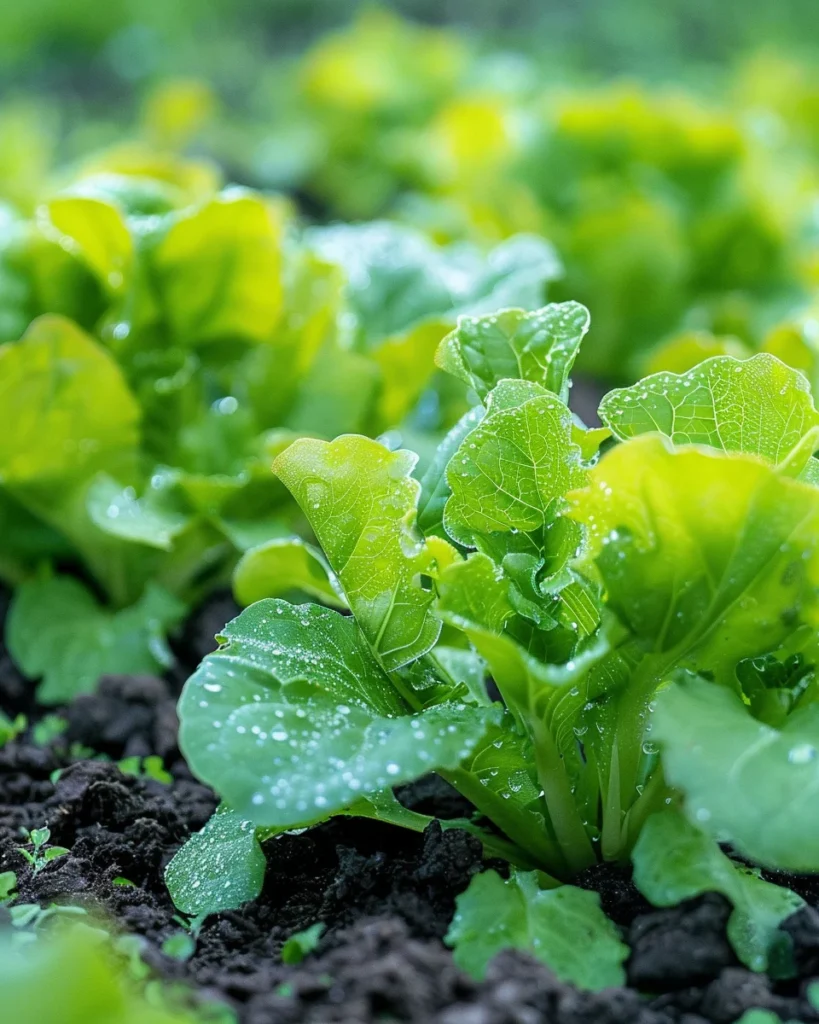
How to Grow Greens Indoors Year Round: Fresh Salads in Any Season
Intro for how to grow greens indoors year round
Growing greens indoors year round is a rewarding way to ensure a constant supply of fresh, nutritious leafy vegetables regardless of the weather outside. Indoor greens cultivation allows you to harvest crisp lettuce, spinach, kale, arugula, and microgreens even during the coldest winter months or hottest summer days. These plants are generally quick to grow, space-efficient, and highly nutritious, making them perfect candidates for indoor gardening. With minimal equipment and some basic knowledge, you can create a productive indoor garden that provides fresh salad ingredients whenever you need them. Indoor growing also eliminates seasonal limitations and reduces pest problems that outdoor gardens often face.
When to plant how to grow greens indoors year round
The beauty of growing greens indoors is that traditional growing seasons become irrelevant. You can start seeds at any time of year, as you’ll be controlling the environment. However, if you’re using a space that receives natural light, such as a windowsill, you may need to supplement with grow lights during winter months when daylight hours are shorter. Indoor temperatures should ideally be maintained between 18-24°C (65-75°F) for most greens. Unlike outdoor growing, you don’t need to worry about frost dates or soil temperature ranges, making indoor greens cultivation truly year-round.
Best time to plant how to grow greens indoors year round
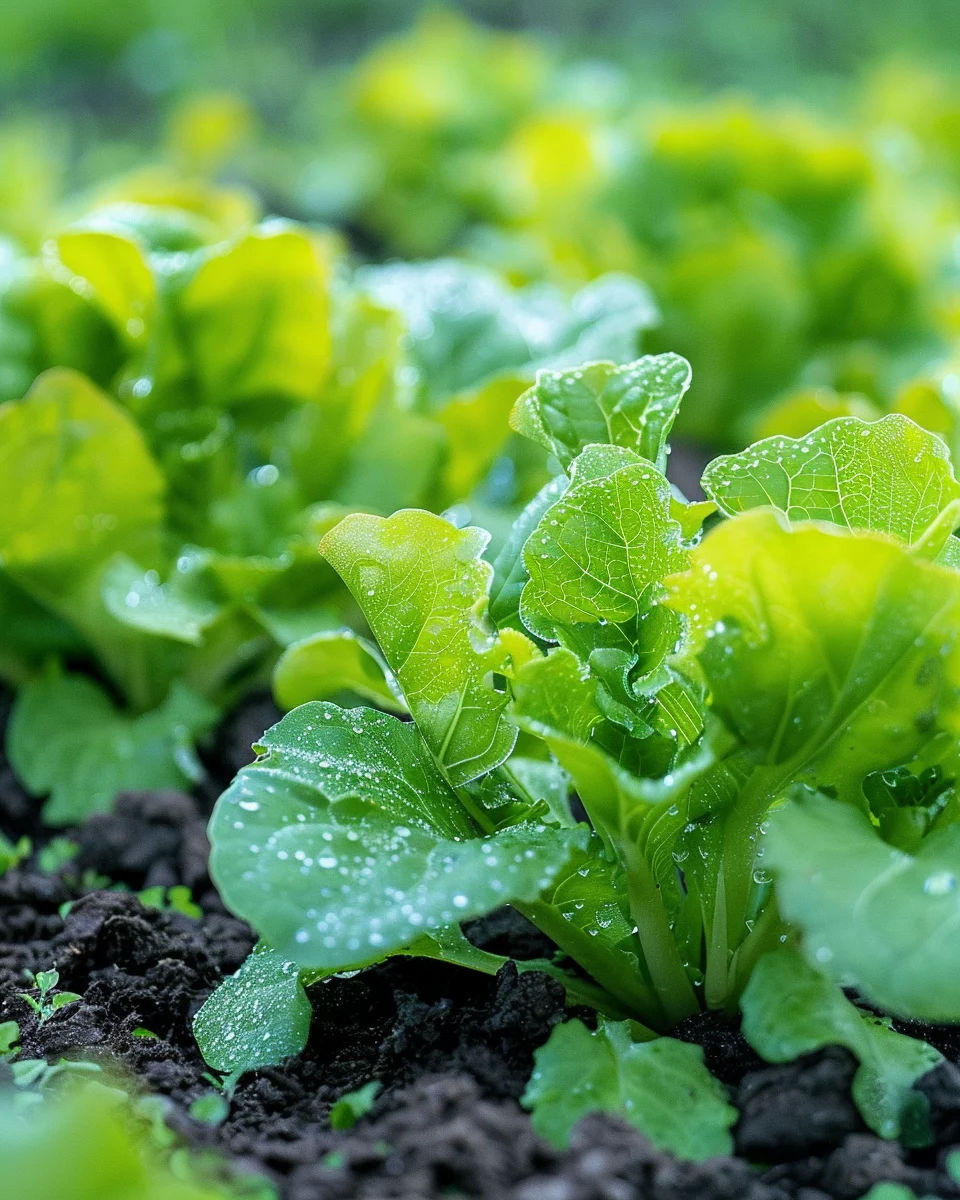
For a continuous harvest, stagger your plantings every 2-3 weeks. This succession planting ensures you always have greens at different growth stages. If you’re relying partially on natural light, the most productive indoor growing periods will be spring and fall when temperatures are moderate and daylight quality is good. During summer, be cautious of heat buildup near windows, which can cause greens to bolt. In winter, supplement with grow lights to provide 12-16 hours of light daily. For beginners, starting your indoor garden in early spring or fall can be easiest as you’ll have more natural light to work with while you learn the process.
Best how to grow greens indoors year round varieties to grow
- Buttercrunch Lettuce – Compact growth habit makes it perfect for containers and produces tender, sweet leaves even in lower light conditions.
- Baby Kale – Harvest-friendly dwarf varieties like ‘Dwarf Blue Curled’ or ‘Lacinato’ provide nutritious leaves without requiring the space of full-sized plants.
- Spinach ‘Bloomsdale’ – Tolerates lower light conditions well and produces dark, nutrient-rich leaves that can be harvested multiple times.
- Arugula ‘Astro’ – Fast-growing with a mild peppery flavor that intensifies with maturity, perfect for quick harvests in small spaces.
- Mizuna – Japanese mustard green with feathery leaves that grows quickly and tolerates indoor conditions exceptionally well.
- Swiss Chard ‘Bright Lights’ – Colorful stems add visual interest to your indoor garden while providing nutritious greens that can be harvested leaf by leaf.
- Microgreens Mix – Ultra-fast growing (ready in 7-14 days) and highly nutritious, perfect for small spaces and impatient gardeners.
How to plant how to grow greens indoors year round
Materials needed:
- Containers (6-8 inches/15-20 cm deep with drainage holes)
- High-quality potting mix (not garden soil)
- Seeds of chosen greens varieties
- Grow lights (LED or fluorescent work well)
- Timer for lights
- Spray bottle for watering seedlings
- Liquid organic fertilizer
- Small fan for air circulation
Step-by-step planting:
- Fill containers with moistened potting mix to about 1 cm (½ inch) below the rim.
- For leaf lettuce and most greens, scatter seeds thinly across the surface; for larger greens like chard, plant seeds 2.5 cm (1 inch) apart.
- Cover seeds with a very thin layer of potting mix—most greens need light to germinate, so barely cover them (about 3-6 mm or ⅛-¼ inch).
- Mist the surface gently with water to avoid displacing seeds.
- Place containers under grow lights positioned 10-15 cm (4-6 inches) above the soil surface.
- Set lights on a timer for 14-16 hours per day.
- Maintain temperature between 18-24°C (65-75°F) for optimal germination.
- Keep soil consistently moist but not soggy during germination period.
- Once seedlings emerge (typically 5-10 days), thin them to appropriate spacing: 10-15 cm (4-6 inches) for lettuce and spinach, 15-20 cm (6-8 inches) for kale and chard.
How to grow how to grow greens indoors year round
For optimal growth, position your indoor greens where they’ll receive 12-16 hours of light daily. If using a windowsill, choose south-facing windows (north-facing in Southern Hemisphere) and rotate containers regularly to prevent leaning. Most indoor greens perform best with grow lights positioned 10-15 cm (4-6 inches) above plants, raising them as plants grow.
Water when the top 1 cm (½ inch) of soil feels dry, typically every 2-3 days depending on your home’s humidity and temperature. Always water at soil level to prevent leaf diseases. Feed with half-strength liquid organic fertilizer every 2-3 weeks, as container plants deplete nutrients quickly.
For container growing, choose vessels at least 15 cm (6 inches) deep with good drainage. Shallow containers work well for microgreens and lettuce, while deeper ones are better for kale and chard. Use a small fan to provide gentle air circulation, which strengthens stems and reduces disease risk. Maintain room temperatures between 18-24°C (65-75°F)—cooler temperatures slow growth but produce sweeter leaves, while warmer conditions accelerate growth but may cause bitterness.
Caring for how to grow greens indoors year round
Monitor moisture levels daily, as indoor heating and air conditioning can quickly dry out containers. Harvest outer leaves first, allowing inner leaves to continue growing—this “cut and come again” approach extends your harvest period significantly. For most leafy greens, begin harvesting when plants have 4-5 true leaves, taking only what you need while leaving the growing center intact.
Common pests for indoor greens include aphids and fungus gnats. For aphids, spray plants with a mild soap solution (1 teaspoon dish soap to 1 liter water). For fungus gnats, let the soil surface dry between waterings and consider adding a thin layer of sand on top of the soil. Powdery mildew can develop in humid conditions with poor air circulation—improve airflow with a small fan and avoid wetting leaves when watering.
Most leafy greens store best when harvested in the morning, rinsed gently, patted dry, and stored in the refrigerator in a container lined with paper towels. For maximum freshness, harvest just before eating whenever possible.
Understanding bolting in how to grow greens indoors year round
Bolting is when leafy greens suddenly produce a flowering stalk, making the leaves turn bitter and tough. While less common indoors than outdoors, it can still occur. The primary triggers indoors are excessive heat (above 27°C/80°F), insufficient water, or aging plants that have reached the end of their productive cycle.
To prevent bolting, maintain moderate temperatures by keeping plants away from heat sources and using LED grow lights that produce less heat than incandescent bulbs. Ensure consistent watering and harvest regularly to encourage new growth. Some varieties like ‘Slobolt’ lettuce and ‘Perpetual’ spinach are specifically bred to resist bolting and are excellent choices for indoor growing.
If plants do begin to bolt, harvest all usable leaves immediately. The plant is signaling the end of its lifecycle, so it’s also a good time to replace it with fresh seedlings from your succession planting schedule.
Why does how to grow greens indoors year round turn bitter?
- Heat stress – Move plants away from heat sources and ensure room temperature stays below 24°C (75°F) when possible.
- Age – Harvest leaves when young and tender; older leaves naturally develop more bitter compounds.
- Water stress – Inconsistent watering causes stress; maintain even moisture without waterlogging.
- Light issues – Too much direct light can increase bitterness; filter intense sunlight or move plants slightly away from windows.
- Variety selection – Some varieties naturally have stronger flavors; try milder varieties like butterhead lettuce if bitterness is an issue.
Companion planting for how to grow greens indoors year round
Even in indoor settings, certain plant combinations can be beneficial:
- Chives and Basil – Their aromatic properties help deter aphids that commonly attack leafy greens.
- Nasturtiums – Act as trap plants for aphids, drawing them away from your valuable greens.
- Marigolds – Their root secretions can help prevent soil-borne pests in container gardens.
- Cilantro – Attracts beneficial insects if you have your indoor garden near an open window in warmer months.
Avoid planting these near your indoor greens:
- Strawberries – Compete aggressively for nutrients and can introduce pests.
- Fennel – Contains compounds that can inhibit the growth of many leafy greens.
Seasonal calendar
- January-February: Ideal time to start new indoor greens during winter when outdoor options are limited; use full spectrum grow lights for 14-16 hours daily.
- March-April: Natural light increases; position plants to take advantage of strengthening spring sunlight while maintaining grow light supplementation.
- May-June: Watch for heat buildup near windows; move plants away from hot glass and increase air circulation.
- July-August: Most challenging months for indoor greens; choose heat-tolerant varieties and position away from windows if room temperatures exceed 24°C (75°F).
- September-October: Excellent time to refresh indoor garden with new plantings as temperatures moderate and light quality improves.
- November-December: Increase artificial lighting as daylight hours decrease; maintain consistent temperature away from cold drafts and heating vents.
Problems & solutions
| Problem | Quick Fix |
|---|---|
| Leggy, stretched seedlings | Move lights closer (10-15 cm/4-6 inches above plants) and ensure 14-16 hours of light daily |
| Yellowing leaves | Usually indicates overwatering; allow soil to dry slightly between waterings |
| Brown leaf edges | Sign of underwatering or low humidity; water more consistently and mist occasionally |
| White powdery coating on leaves | Powdery mildew; improve air circulation with a small fan and avoid wetting leaves |
| Tiny insects on soil surface | Likely fungus gnats; let soil dry more between waterings and add sand layer on soil surface |
| Slow growth | Insufficient light or nutrients; increase light duration and feed with half-strength liquid fertilizer |
Common questions about growing how to grow greens indoors year round
Q: How much light do indoor greens really need?
A: Most leafy greens require 12-16 hours of light daily. Natural light from a south-facing window may be sufficient during spring and summer, but grow lights are essential during fall and winter or in apartments with limited natural light.
Q: Can I grow greens with only artificial light?
A: Absolutely! Many indoor gardeners grow greens exclusively under LED or fluorescent grow lights. Position lights 10-15 cm (4-6 inches) above plants and provide 14-16 hours of light daily for optimal growth.
Q: How often should I harvest my indoor greens?
A: For “cut and come again” varieties, begin harvesting outer leaves when plants have 4-5 true leaves. Harvest regularly to encourage new growth, taking no more than one-third of the plant at once. Most plants will regrow 3-4 times before productivity declines.
Q: What’s the minimum container depth for growing greens indoors?
A: Microgreens can grow in containers as shallow as 5 cm (2 inches), lettuce and spinach need at least 15 cm (6 inches), while kale and chard perform best in containers 20 cm (8 inches) or deeper.
Q: Do I need special soil for indoor greens?
A: Use a high-quality potting mix specifically formulated for containers, not garden soil which can compact and harbor pests. For best results, choose an organic mix with some compost incorporated for nutrients.
Q: How do I prevent pest problems on my indoor greens?
A: Maintain good air circulation with a small fan, avoid overwatering, inspect plants regularly, and isolate new plants for a week before adding them to your indoor garden. Most indoor pest issues can be managed with insecticidal soap if caught early.
Q: Can I save seeds from my indoor greens?
A: Yes, but you’ll need to allow some plants to complete their lifecycle and bolt. Without natural pollinators indoors, you may need to hand-pollinate flowers by gently shaking them or using a small brush to transfer pollen between flowers.