
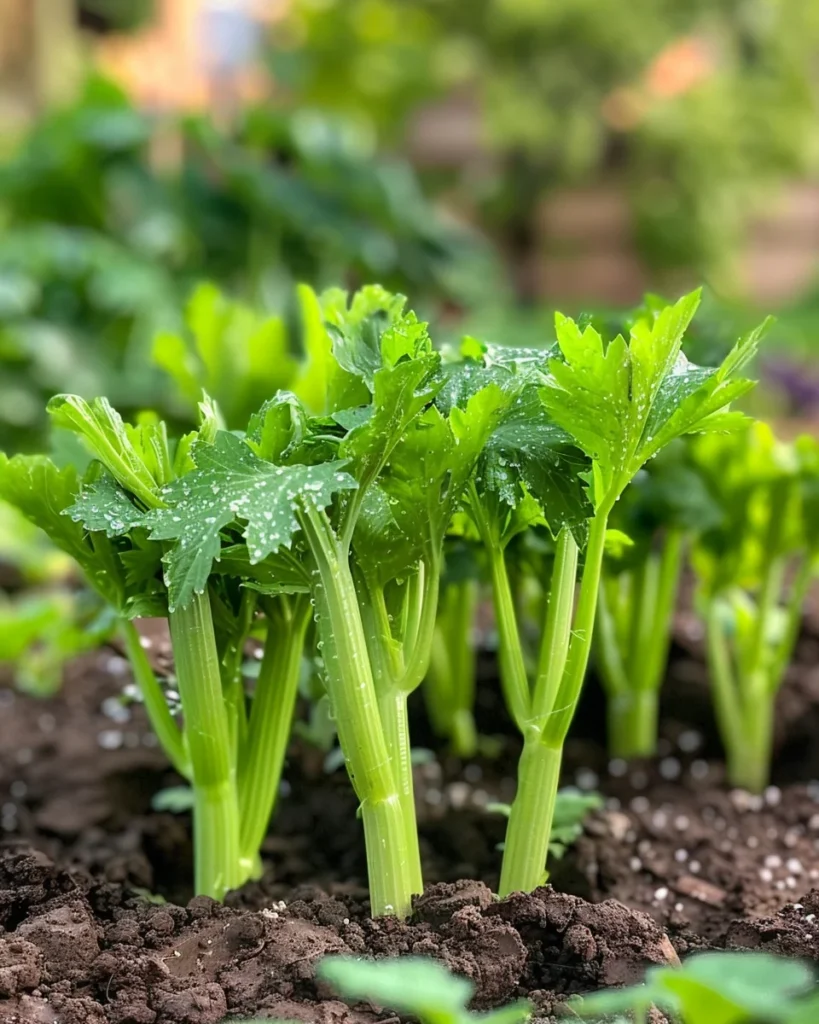
How to Grow Celery in Hot Climates: When to Plant, Best Heat-Tolerant Varieties & Care Tips
Intro for growing celery in hot climates
Celery (Apium graveolens) is typically considered a cool-season crop, but with the right approach, it can thrive even in warmer regions. This crisp, flavorful vegetable adds wonderful texture and taste to soups, salads, and snacks, while also offering impressive nutritional benefits including vitamins A, K, and C. Growing celery in hot climates presents unique challenges—from preventing premature bolting to maintaining consistent moisture—but with proper timing, variety selection, and care techniques, you can successfully cultivate this versatile vegetable even when temperatures soar. The key is creating microclimate conditions that mimic celery’s preferred growing environment while selecting heat-tolerant varieties specifically bred for warmer regions.
When to plant celery in hot climates
In hot climates, the traditional growing windows shift to take advantage of cooler seasons. Plant celery during fall through early winter when temperatures moderate to 15-21°C (60-70°F) during the day. Soil temperature should ideally be between 15-18°C (60-65°F) for optimal germination. Unlike cooler regions where spring planting is common, in hot climates, you’ll want to avoid summer harvests when temperatures consistently exceed 26°C (80°F), as this triggers bolting and bitter flavor. Celery requires a long growing season (100-130 days), so timing is crucial to ensure your plants mature before extreme heat arrives.
Best time to plant celery in hot climates
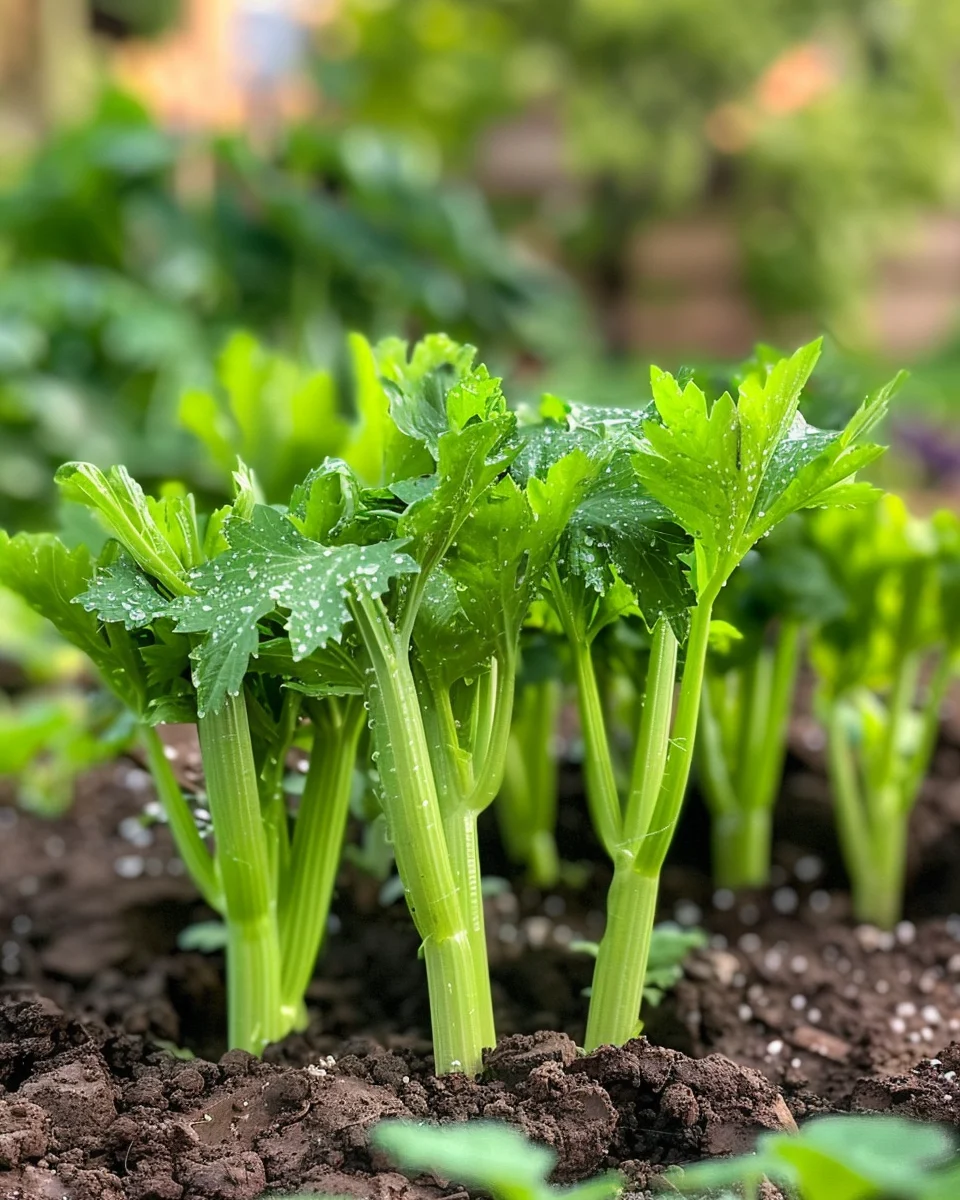
For hot climate regions (USDA zones 8-10 or equivalent), the optimal planting window is August through October for transplants, allowing celery to develop during cooling fall temperatures and mature in winter or early spring. In extremely hot areas like the desert Southwest or tropical regions, November through January planting may be preferable. Start seeds indoors 10-12 weeks before your target transplant date, as celery seeds are slow to germinate. For Mediterranean-type climates, early fall planting works well, while subtropical regions may support planting from late fall through early winter. Direct sowing is generally not recommended in hot climates due to germination challenges.
Best celery varieties to grow in hot climates
- Tall Utah 52-70 – Heat-tolerant improved variety with excellent disease resistance and crisp, flavorful stalks.
- Conquistador – Specifically bred for hot weather performance with better bolt resistance and adaptability to fluctuating temperatures.
- Golden Self-Blanching – Compact growth habit makes it ideal for containers and partial shade situations in hot climates.
- Florida Green – Developed for southeastern US conditions with excellent heat tolerance and humidity resistance.
- Monterey – Early-maturing variety (80-85 days) that can be harvested before the most intense summer heat arrives.
- Tango – Compact variety with excellent flavor that performs well in containers where moisture and temperature can be better controlled.
- Chinese Pink – Asian variety with better heat tolerance than European types and distinctive coloration and flavor.
How to plant celery in hot climates
Materials needed:
- Celery seedlings or seeds
- Compost or well-rotted manure
- Balanced organic fertilizer
- Mulch material (straw, leaf mold, or compost)
- Shade cloth (30-40% shade)
- Watering can or irrigation system
- pH testing kit
Step-by-step planting process:
- Select a planting site that receives morning sun but afternoon shade, or create artificial shade using shade cloth in intensely hot areas.
- Prepare soil by incorporating 10-15cm (4-6in) of compost to improve moisture retention and fertility.
- Check soil pH and adjust to 6.0-7.0 if necessary, as celery prefers slightly acidic to neutral soil.
- Dig planting holes 25-30cm (10-12in) apart in rows spaced 45-60cm (18-24in) apart.
- Place seedlings at the same depth they were growing in their containers, being careful not to disturb the delicate root systems.
- Water thoroughly after planting, ensuring the soil is evenly moist but not waterlogged.
- Apply 5-7cm (2-3in) of mulch around plants, keeping it slightly away from stems to prevent rot.
- Install temporary shade structures if planting during periods when daytime temperatures exceed 26°C (80°F).
- Consider planting in slightly recessed beds or furrows to help retain moisture in very hot climates.
How to grow celery in hot climates
In hot climates, celery requires filtered sunlight or partial shade, especially during the hottest part of the day. Morning sun with afternoon shade creates ideal conditions. Consistent moisture is critical—maintain evenly moist soil with regular watering, typically every 1-2 days during hot weather. Never allow the soil to dry out completely. Apply a balanced organic fertilizer (10-10-10) at planting time, followed by liquid seaweed or fish emulsion every 3-4 weeks. Mulch heavily with 7-10cm (3-4in) of organic material to maintain soil moisture and moderate temperature fluctuations.
For container growing, select pots at least 30cm (12in) deep with excellent drainage. Use a moisture-retentive potting mix amended with compost. Container-grown celery may need daily watering during hot periods. Consider growing celery in self-watering containers or installing drip irrigation systems to maintain consistent moisture. In extreme heat, move containers to shadier locations or use shade cloth to reduce temperature stress. Blanching (covering stalks to exclude light) is optional but can produce milder-flavored stalks in hot climates where bitterness can be problematic.
Caring for celery in hot climates
Monitor soil moisture daily during hot weather, as consistent hydration prevents stringy, bitter stalks. Apply a side dressing of compost or balanced fertilizer midway through the growing season. Watch for aphids, which can be controlled with insecticidal soap or a strong water spray. Leaf miners may create tunnels in leaves—remove and destroy affected foliage. Fungal diseases like early blight and leaf spot become problematic in humid conditions; improve air circulation and avoid overhead watering to prevent these issues.
Harvest celery when stalks reach desired size, typically 15-20cm (6-8in) tall, by cutting the entire plant at soil level or harvesting outer stalks as needed. In hot climates, harvest in the cool morning hours to maintain crispness. Store harvested celery in the refrigerator wrapped in damp paper towels or standing in a container with water at the base. For ongoing production, consider succession planting every 3-4 weeks during your region’s cooler season to extend harvests before summer heat arrives.
Understanding bolting in celery
Bolting is when celery prematurely produces a flower stalk, making the stems tough and bitter. In hot climates, this is primarily triggered by temperatures consistently above 26°C (80°F), though other stressors like drought or transplant shock can contribute. The plant switches from vegetative growth to reproductive mode, diverting energy to seed production. To prevent bolting, select bolt-resistant varieties, provide afternoon shade during hot periods, maintain consistent soil moisture, and plant during cooler seasons.
If your celery begins to bolt, harvest immediately even if plants aren’t fully mature. The center of the plant will become tough first, so outer stalks may still be usable. If you notice a central stalk forming, cut it out immediately—this may allow the plant to continue producing edible side stalks for a short period. Consider allowing one or two plants to complete the bolting process for seed collection, especially if you’ve found a variety that performs well in your hot climate.
Why does celery turn bitter in hot climates?
- Heat stress – Temperatures above 26°C (80°F) trigger biochemical changes that increase bitter compounds; provide shade or plant during cooler seasons.
- Inconsistent watering – Drought stress increases phthalides and other bitter compounds; maintain even soil moisture with regular watering and heavy mulching.
- Maturity issues – Over-mature celery develops more bitterness; harvest at appropriate size before plants become too old.
- Variety selection – Some varieties naturally contain more bitter compounds; choose self-blanching or sweeter varieties bred for heat tolerance.
- Lack of blanching – Exposure to full sun increases bitterness; consider traditional blanching techniques or growing self-blanching varieties.
Companion planting for celery in hot climates
Strategic companion planting can help celery thrive in challenging hot conditions. Plant celery alongside these beneficial companions:
- Bush beans – Fix nitrogen in soil and provide partial shade for celery plants.
- Brassicas (cabbage, broccoli) – Their larger leaves can shade celery during intense afternoon sun.
- Spinach or lettuce – As shallow-rooted crops, they don’t compete for nutrients while creating beneficial ground cover that keeps soil cooler.
- Onions and leeks – Repel many celery pests with their strong scent and don’t compete for resources.
- Nasturtiums – Attract beneficial insects and can provide shade when planted nearby.
Avoid planting celery near:
- Corn – Competes for nutrients and water that celery needs in abundance.
- Parsley – Being in the same family, it can attract similar pests and diseases.
- Potatoes – May compete for resources and create unfavorable growing conditions.
Seasonal calendar
- August-September: Start seeds indoors in cooler location (hot climate fall planting).
- October-November: Transplant seedlings to garden with temporary shade if needed; apply initial fertilizer.
- November-December: Monitor moisture levels; apply first supplemental feeding; install permanent shade structures if temperatures remain high.
- December-January: Continue regular watering; apply second feeding; monitor for pests as plants develop.
- January-February: Begin blanching process if desired; continue moisture management.
- February-March: Harvest outer stalks as needed or cut entire plants before temperatures begin rising significantly.
- March-April: Complete harvest before sustained hot weather arrives; prepare for fall planting cycle.
Note: In extremely hot regions (desert/tropical), shift this calendar 1-2 months later. In Mediterranean climates, this calendar generally applies as written.
Problems & solutions
| Problem | Quick Fix |
|---|---|
| Thin, stringy stalks | Increase watering frequency and consistency; apply liquid fertilizer rich in nitrogen. |
| Yellowing leaves | Check for nutrient deficiency; apply balanced fertilizer and ensure proper drainage. |
| Early bolting | Harvest immediately; provide more shade and consistent moisture for remaining plants. |
| Aphid infestation | Spray with strong water jet or insecticidal soap; introduce ladybugs as natural predators. |
| Leaf miners | Remove affected leaves; apply neem oil or introduce parasitic wasps. |
| Blackheart (calcium deficiency) | Apply calcium spray or crushed eggshells; ensure consistent watering. |
| Stunted growth | Check soil temperature; apply shade cloth if too hot; ensure adequate nutrients with compost tea. |
Common questions about growing celery in hot climates
Q: How often should I water celery during hot weather?
A: In temperatures above 30°C (86°F), water daily, ensuring soil remains consistently moist but not waterlogged. Consider twice-daily watering during extreme heat waves, ideally morning and evening.
Q: Can I grow celery in full sun in a hot climate?
A: Full sun is generally too intense in hot climates. Provide afternoon shade or filtered light using 30-40% shade cloth, especially when temperatures exceed 26°C (80°F).
Q: What size container works best for growing celery in hot climates?
A: Use containers at least 30cm (12in) deep and 30cm (12in) in diameter, with excellent drainage. Larger containers (40-50cm/16-20in) maintain more stable soil temperatures and moisture levels.
Q: How far apart should I space celery plants in hot regions?
A: Space plants 25-30cm (10-12in) apart, slightly wider than in cool climates, to improve air circulation and reduce humidity-related disease issues.
Q: Can celery survive a heat wave?
A: Established celery can survive brief heat waves with extra care. Increase watering frequency, apply additional mulch, erect temporary shade structures, and mist plants in the morning and evening to reduce transpiration stress.
Q: How can I tell when celery is ready to harvest in hot climates?
A: Harvest when stalks reach 15-20cm (6-8in) tall and are at least 2.5cm (1in) in diameter. In hot climates, harvest earlier rather than later, as quality deteriorates quickly with heat stress.
Q: Is it worth growing celery from seed in hot climates?
A: Growing from seed is challenging but worthwhile for accessing heat-tolerant varieties not available as transplants. Start seeds indoors in a cool location (18-21°C/65-70°F) 10-12 weeks before transplanting for best results.