
How to Grow Alyssum for Living Mulch: When to Plant, Best Varieties & Care Guide
Intro for growing alyssum for living mulch
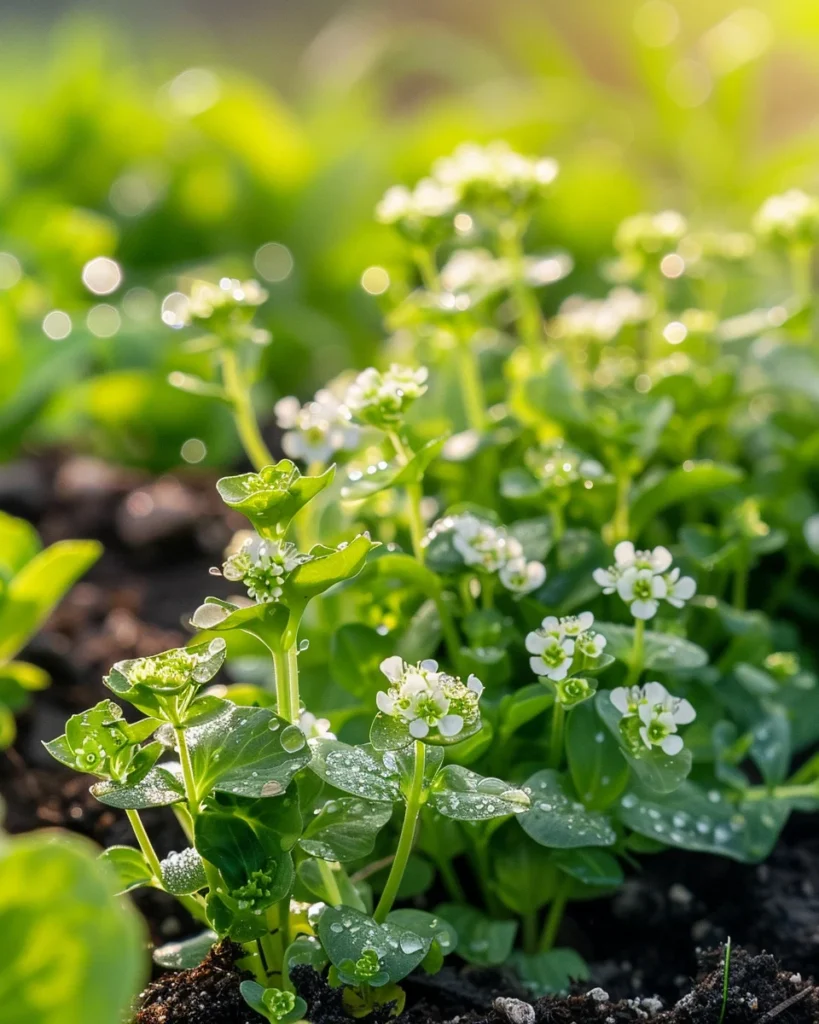
Sweet alyssum (Lobularia maritima) is a versatile, low-growing annual flower that makes an excellent living mulch in gardens. This carpet-forming plant typically reaches just 3-6 inches (7.5-15 cm) in height while spreading 6-9 inches (15-23 cm) wide. As living mulch, alyssum suppresses weeds, retains soil moisture, attracts beneficial insects, and adds delicate beauty with its tiny, fragrant blooms. It thrives in most temperate regions (USDA zones 5-9) and works wonderfully between vegetable rows, around taller plants, in pathways, and as an understory for roses and perennials. With minimal care requirements and multiple benefits, alyssum is an ideal choice for gardeners seeking a functional, beautiful ground cover that supports garden ecology.
When to plant alyssum for living mulch
Alyssum can be planted when soil temperatures reach at least 60°F (15°C). In most temperate regions, this means early spring through early summer. Alyssum is moderately frost-tolerant once established, handling light frosts down to about 28°F (-2°C), but seedlings are more vulnerable. For continuous coverage as living mulch, consider succession planting every 4-6 weeks through mid-summer. In Mediterranean or mild winter climates, fall planting is also successful, allowing alyssum to establish before spring when it will serve as mulch for the main growing season. In hot regions, focus on spring and fall plantings, as extreme summer heat may cause alyssum to decline.
Best time to plant alyssum for living mulch
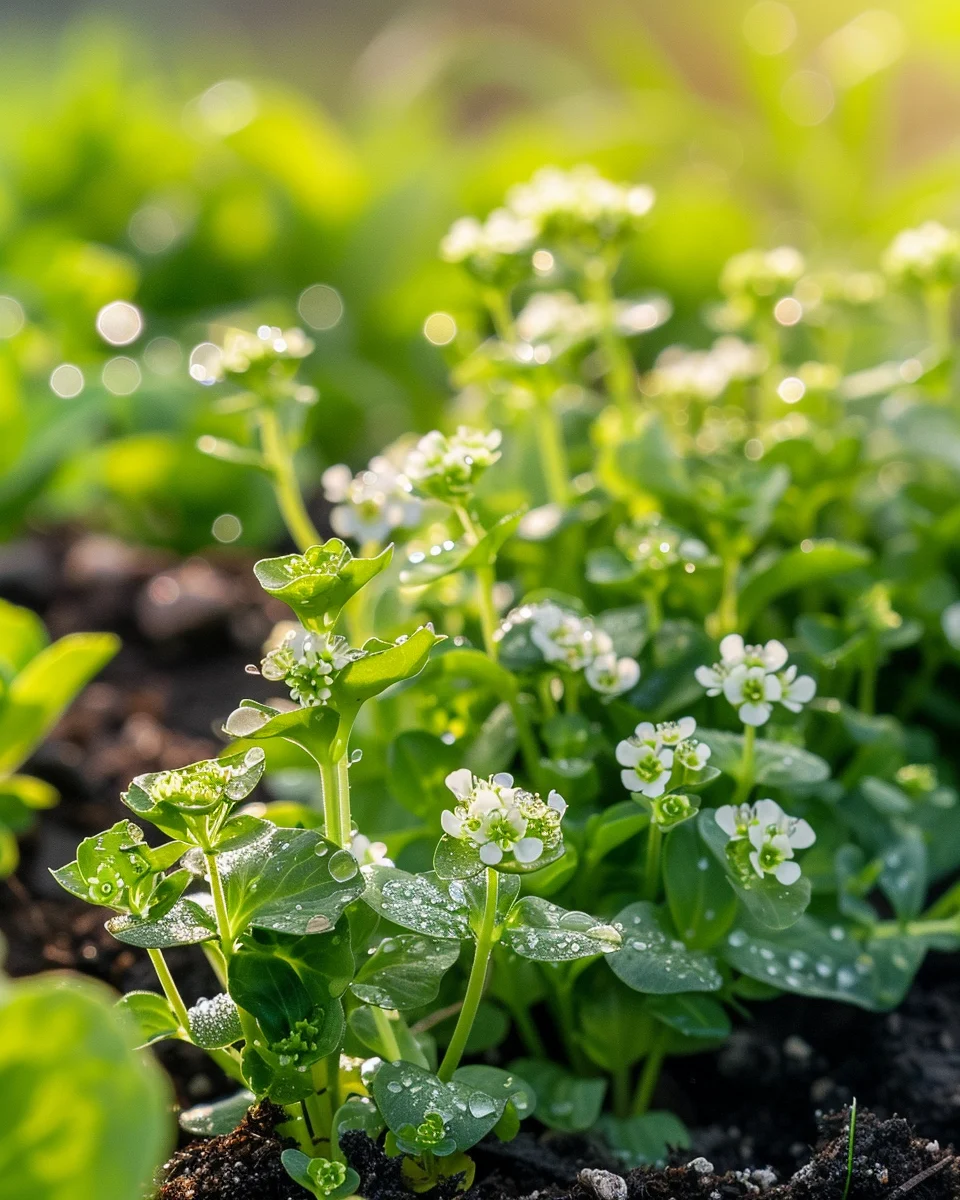
For cool-temperate regions (UK, Northern US, Canada), plant alyssum from mid-April through June. Direct sow seeds when soil has warmed and frost danger has passed, or transplant seedlings 2-3 weeks after the last frost date. For warm-temperate regions (Southern US, Mediterranean), plant from February through April or in September through October for fall/winter growth. Transplants can go in the ground 1-2 weeks before the last frost in spring. For year-round living mulch in mild climates, stagger plantings every 6-8 weeks. Regardless of region, time alyssum planting to establish it 2-3 weeks before planting your main crops to create an effective living mulch system.
Best alyssum varieties to grow for living mulch
- Snow Crystals – Produces larger white flowers with excellent spreading habit, making it ideal for comprehensive ground coverage.
- Carpet of Snow – Classic white variety with exceptional heat tolerance and drought resistance once established.
- Easter Bonnet Series – Available in multiple colors (white, pink, purple) with improved heat resistance and compact spreading habit.
- Tiny Tim – Ultra-compact variety (3-4 inches tall) that’s perfect for tight spaces between vegetable rows.
- New Carpet of Snow – Improved selection with better heat tolerance and longer blooming period, excellent for season-long mulching.
- Sweet White – Particularly fragrant variety that attracts more beneficial insects while serving as living mulch.
- Wonderland Series – Heat-resistant varieties in multiple colors that maintain coverage even during warmer periods.
How to plant alyssum for living mulch
Materials needed: Alyssum seeds or seedlings, compost, garden fork or tiller, rake, watering can or hose with spray attachment, light mulch (optional for seed germination).
- Prepare your garden bed by removing existing weeds and loosening soil to a depth of 4-6 inches (10-15 cm).
- Incorporate 1-2 inches (2.5-5 cm) of compost into the soil to improve drainage and fertility.
- Rake the soil surface smooth, removing any large clumps or stones.
- For direct seeding, scatter seeds thinly across the area where you want living mulch, aiming for approximately 1 seed per square inch.
- Press seeds lightly into the soil surface but don’t cover them, as alyssum needs light to germinate.
- If using transplants, space them 6-8 inches (15-20 cm) apart for quick coverage.
- Water thoroughly but gently using a fine spray to avoid displacing seeds.
- Keep soil consistently moist until germination occurs (usually 5-8 days).
- For pathways or between vegetable rows, plant alyssum in defined strips 4-6 inches (10-15 cm) wide.
- Consider planting alyssum 2-3 weeks before your main crops to establish the living mulch system.
How to grow alyssum for living mulch
Alyssum thrives in full sun to partial shade, requiring at least 4-6 hours of direct sunlight daily. In hot climates, afternoon shade helps extend its season. Water newly planted alyssum regularly to establish roots, then reduce to moderate watering—about 1 inch (2.5 cm) per week, allowing the top inch of soil to dry between waterings. Fertilizing is minimal; a light application of balanced organic fertilizer at planting time is usually sufficient. Excessive fertility produces too much foliage at the expense of flowers and can make alyssum compete with main crops.
For effective living mulch, trim back alyssum if it begins to encroach on main crops, using scissors or shears to create a clean edge. Periodic light trimming (removing about 1/3 of growth) after initial flowering encourages bushier growth and continued blooming. In containers, alyssum needs more frequent watering but works well as living mulch for potted vegetables or herbs. For pathways, occasional foot traffic actually helps keep alyssum compact and stimulates new growth.
Caring for alyssum as living mulch
Ongoing care for alyssum living mulch is minimal. Deadheading isn’t necessary as alyssum self-cleans, but a light shearing when blooms diminish will rejuvenate plants. Watch for aphids, which can sometimes colonize new growth; a strong spray of water usually dislodges them. Powdery mildew may appear in humid conditions with poor air circulation—improve spacing and avoid overhead watering if this occurs. Alyssum rarely suffers from serious disease issues when grown as living mulch.
For continuous coverage, succession plant every 4-6 weeks or allow some plants to set seed for natural reseeding. In hot weather, alyssum may decline; trim back by half to encourage fresh growth when temperatures moderate. As living mulch, alyssum doesn’t require harvesting, but you can collect seed heads at the end of the season for next year’s planting. Seeds remain viable for 2-3 years when stored in a cool, dry place.
Understanding bolting in alyssum for living mulch
Unlike vegetables, “bolting” in alyssum refers to its natural flowering cycle rather than a problem. Alyssum naturally produces flowers, then seeds, especially during long days and warm temperatures. This is actually beneficial for living mulch applications, as the flowers attract beneficial insects. However, alyssum may decline after heavy flowering and seed production, particularly in hot weather.
To maintain continuous coverage as living mulch, implement succession planting or trim plants back by about half after heavy flowering. This rejuvenation pruning stimulates new growth and extends the plant’s useful period. Water stress can accelerate seed production, so maintain consistent moisture during dry periods. In very hot regions, expect summer dormancy; plan for this by having replacement seedlings ready or by relying on self-seeding from earlier plants when temperatures cool in fall.
Why does alyssum living mulch decline?
- Heat stress – Temperatures consistently above 85°F (29°C) can cause alyssum to decline; provide afternoon shade or replace with heat-tolerant varieties.
- Drought – Insufficient water causes sparse growth and reduced flowering; maintain consistent moisture, especially during establishment.
- Overcrowding – Too-dense planting reduces air circulation and can lead to fungal issues; thin plants if needed.
- Nutrient competition – Heavy-feeding companion plants may outcompete alyssum; maintain appropriate spacing between crops.
- Natural lifecycle completion – After flowering and setting seed, plants naturally decline; trim back by half or succession plant for continuous coverage.
Companion planting for alyssum living mulch
Alyssum makes an excellent companion for many garden plants. Plant it around brassicas (cabbage, broccoli, kale) to attract hoverflies that prey on cabbage aphids. Around strawberries, alyssum attracts pollinators while suppressing weeds. Tomatoes benefit from alyssum’s ability to draw in parasitic wasps that control tomato hornworms. Roses paired with alyssum gain both ground coverage and pest management benefits.
Cucumbers and squash work well with alyssum pathways between rows, as the alyssum attracts pollinators while the larger plants provide afternoon shade. Avoid planting alyssum too close to aggressive spreaders like mint or aggressive self-seeders like dill, which may outcompete it. Also, keep some distance between alyssum and very thirsty plants like celery, as their water needs differ significantly.
Seasonal calendar
- January-February: Start seeds indoors in warm regions; plan living mulch layout.
- March: Start seeds indoors in cool regions; direct sow in warm regions.
- April: Direct sow in most regions as soil warms; transplant seedlings after frost danger.
- May: Main planting month in cool regions; establish before summer crops.
- June: Succession plant for continuous coverage; trim established plants.
- July: Maintain watering during heat; trim back declining plants by half.
- August: Start new seedlings for fall in hot regions; continue maintenance.
- September: Plant fall crop in warm regions; collect seeds from summer plants.
- October: Final planting in mild winter areas; prepare for frost in cold regions.
- November-December: Allow self-seeding in mild climates; plan next season.
Problems & solutions
| Problem | Quick Fix |
|---|---|
| Sparse, leggy growth | Increase sunlight; trim back to encourage branching; check for adequate water. |
| Few or no flowers | Ensure 6+ hours of sunlight; reduce nitrogen fertilizer; trim back leggy growth. |
| Yellowing leaves | Check for overwatering; improve drainage; ensure plants aren’t competing for nutrients. |
| Powdery white coating on leaves | Improve air circulation; avoid overhead watering; remove affected parts; spray with diluted neem oil. |
| Plants dying in summer heat | Provide afternoon shade; increase watering frequency; trim back by half; succession plant heat-tolerant varieties. |
| Alyssum overtaking main crops | Create clear boundaries with periodic trimming; plant alyssum in defined strips rather than broadcast. |
Common questions about growing alyssum for living mulch
How often should I water alyssum used as living mulch?
Water newly planted alyssum every 2-3 days until established, then reduce to once or twice weekly depending on rainfall and temperature. Allow the top inch of soil to dry between waterings.
Can alyssum living mulch grow in shade?
Alyssum performs best with at least 4-6 hours of sunlight daily. It will grow in partial shade but may become leggy with fewer flowers, reducing its effectiveness as living mulch.
How close can I plant alyssum to my vegetables?
Plant alyssum 6-8 inches (15-20 cm) away from vegetable stems to prevent competition while still providing ground coverage benefits. For larger vegetables like tomatoes, alyssum can be planted closer, about 4 inches (10 cm) from the stem.
Will alyssum living mulch compete with my main crops?
Alyssum has a shallow root system and modest nutrient needs, making it minimally competitive. However, maintain appropriate spacing and trim back if it begins to encroach on main crops.
How do I keep alyssum as living mulch going all season?
Implement succession planting every 4-6 weeks, trim established plants by half after heavy flowering, and choose heat-tolerant varieties for summer coverage. In hot climates, expect some summer dormancy.
Can alyssum living mulch survive winter?
In USDA zones 7-9, alyssum may survive mild winters as a short-lived perennial. In colder regions, it will die with hard frost but often self-seeds for spring germination. In mild winter areas, fall-planted alyssum provides excellent winter and spring living mulch.
How do I prevent alyssum from spreading too much by self-seeding?
Trim plants before seed pods mature if you want to limit spread. In vegetable gardens, normal soil preparation for the next season’s crops will disrupt excessive self-seeding.