
How to Grow Vegetables in Shade Gardens: Best Varieties, Planting Tips & Care Guide
Intro for how to grow vegetables in shade gardens
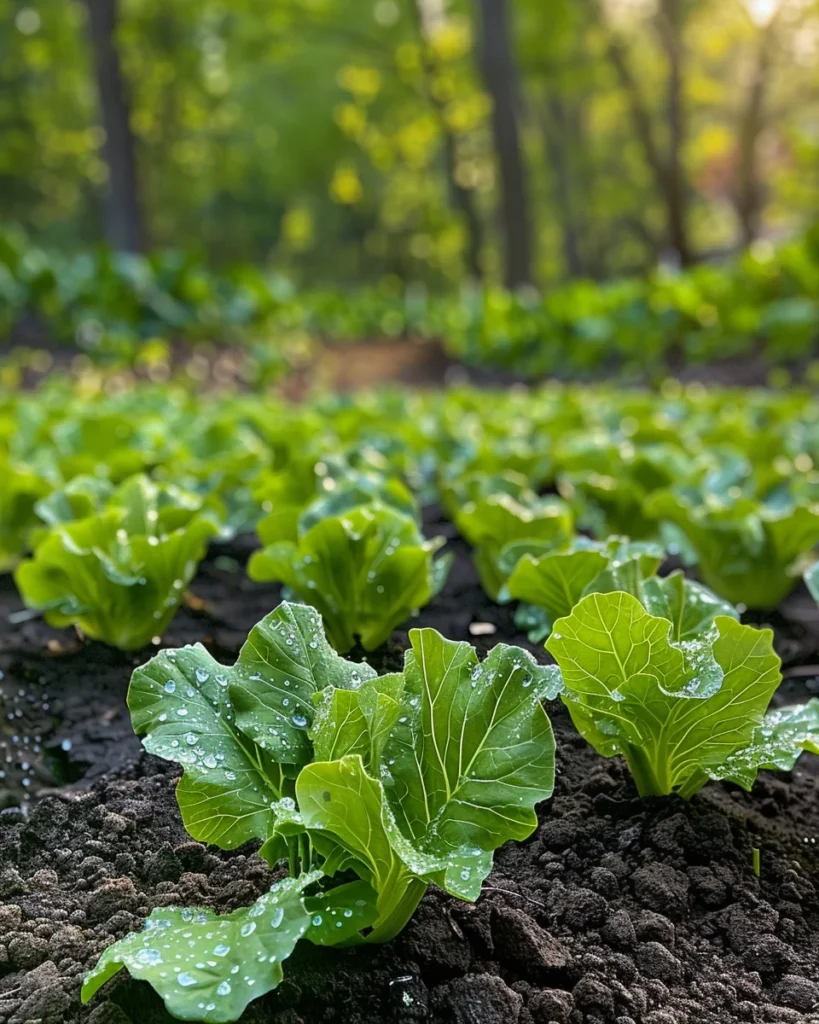
Contrary to popular belief, a shady garden doesn’t mean you can’t grow vegetables. While most vegetables prefer full sun, many can thrive in partial shade, receiving just 3-6 hours of direct sunlight daily. Shade gardening offers several advantages: reduced water needs, extended growing seasons for cool-season crops, and protection from intense summer heat. With the right plant selection and a few adjustments to your gardening practices, you can harvest fresh vegetables even from the shadier spots in your garden. This guide will help you transform those underutilized shady areas into productive vegetable gardens that yield delicious harvests throughout the growing season.
When to plant how to grow vegetables in shade gardens
The timing for planting vegetables in shade gardens depends largely on your climate and the specific vegetables you’re growing. In general, shade gardens have a slightly different planting calendar than full-sun gardens. In temperate regions, you can start cool-season crops earlier in spring (when soil temperatures reach 7-10°C/45-50°F) and extend their season later into summer. Fall planting can begin in late summer when temperatures start to moderate, with many shade-tolerant vegetables continuing to produce until the first hard frost.
Shade gardens typically have cooler soil temperatures, which means spring warming may be delayed. Use a soil thermometer to ensure proper germination conditions rather than relying solely on calendar dates. The benefit is that these same areas will stay cooler during summer heat, extending the growing season for many cool-weather crops.
Best time to plant how to grow vegetables in shade gardens
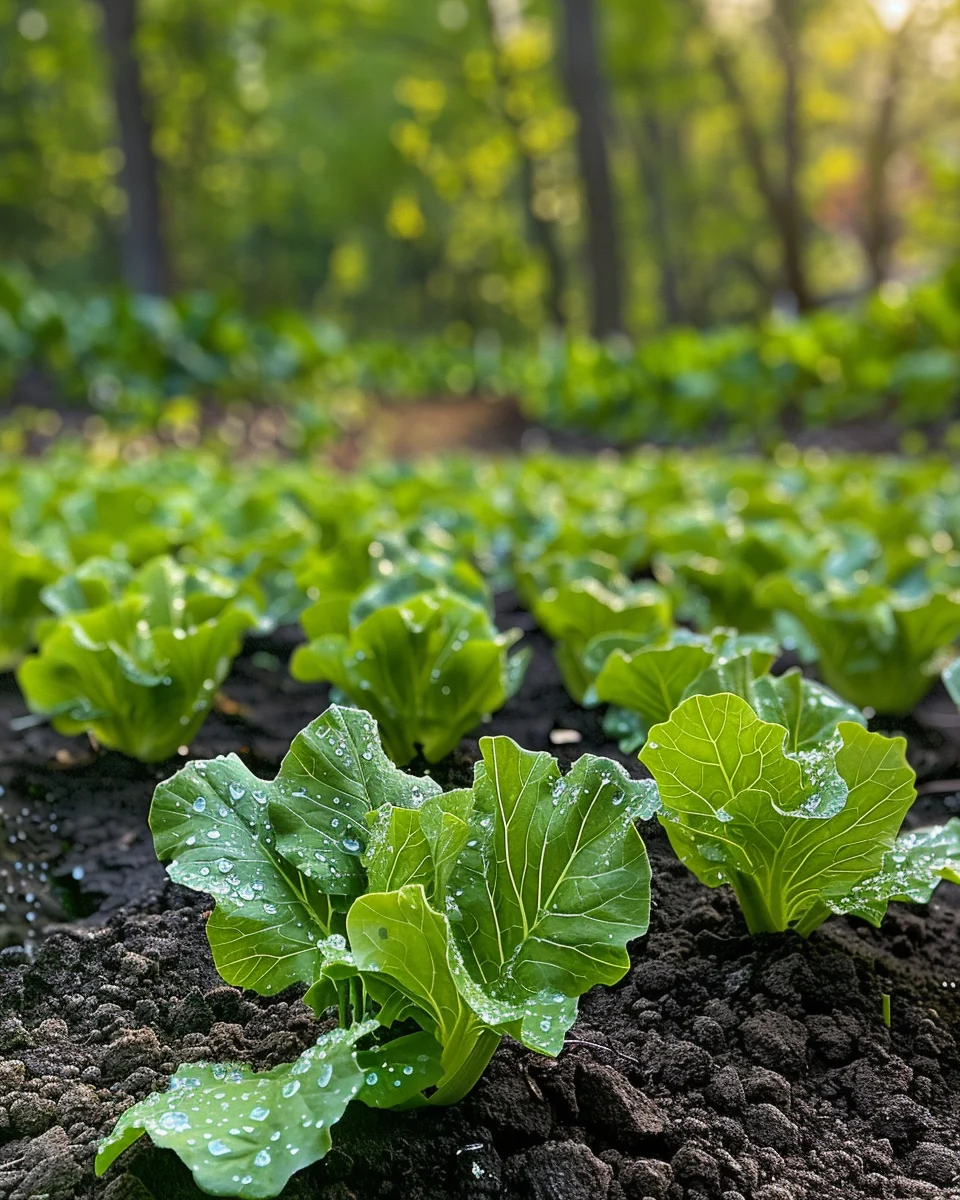
In cool climate regions (UK, Northern US, Canada), start leafy greens and cool-season vegetables in shade gardens from mid-March to early May, and again from late July through September for fall harvests. In warmer regions (US Zones 7-9, Mediterranean climates), plant shade-tolerant vegetables from February to April and again from August to October to avoid summer heat stress.
For transplants like broccoli, cabbage, and kale, set them out 2-3 weeks before your last spring frost in shade gardens, as they’ll benefit from the cooler conditions. Direct-sow root vegetables like radishes, turnips, and beets when soil temperatures reach at least 7°C (45°F), typically 3-4 weeks before the last frost date in partially shaded areas.
For year-round production in mild climates, stagger plantings of leafy greens every 2-3 weeks, using the shade to prevent summer bolting and extend harvests.
Best how to grow vegetables in shade gardens varieties to grow
- Lettuce ‘Black Seeded Simpson’ – Exceptionally shade-tolerant with loose, frilly leaves that mature quickly even in low light conditions.
- Spinach ‘Bloomsdale’ – Produces dark, crinkled leaves with excellent flavor and remarkable shade tolerance, often performing better in partial shade than full sun.
- Kale ‘Lacinato’ (Dinosaur Kale) – Upright growth habit maximizes light capture in shady conditions while producing nutritious, deeply flavored leaves.
- Chard ‘Bright Lights’ – Colorful stems add garden interest while the large leaves efficiently capture available light in partial shade.
- Mizuna – Fast-growing Asian green that thrives in cool, shaded conditions with minimal light requirements.
- Radish ‘Cherry Belle’ – Matures in just 22 days, making it perfect for shade gardens where growth might be slightly slower.
- Peas ‘Oregon Sugar Pod II’ – Productive snap pea that performs well in dappled shade, especially in warmer climates where shade protects from heat.
- Beets ‘Bull’s Blood’ – Produces edible, burgundy leaves even in shade, though root development may be slower than in full sun.
How to plant how to grow vegetables in shade gardens
Materials needed:
- Compost or well-rotted manure
- Balanced organic fertilizer
- Garden fork or tiller
- Rake
- Seeds or transplants of shade-tolerant vegetables
- Watering can or hose with gentle spray attachment
- Mulch (leaf mold, straw, or compost)
- Light-colored reflective material (optional)
- Soil pH test kit
Step-by-step planting:
- Assess your shade pattern throughout the day, identifying areas that receive morning sun or dappled light (these are ideal for shade vegetable gardens).
- Prepare the soil by removing any competing tree roots and incorporating plenty of compost to improve fertility and moisture retention.
- Test and adjust soil pH to 6.0-7.0, the ideal range for most shade-tolerant vegetables.
- Create raised beds if possible, as they warm up faster and improve drainage in typically cooler shade gardens.
- Space plants about 25% closer than recommended for full sun to maximize light capture (for example, plant lettuce 15 cm/6 inches apart instead of 20 cm/8 inches).
- Plant seeds slightly shallower than in sunny gardens, typically 1/4 inch (0.6 cm) deep for small seeds and 1/2 inch (1.3 cm) for larger seeds.
- Water thoroughly after planting, keeping the soil consistently moist until germination.
- Apply a thin layer of light-colored mulch to reflect available light onto plants and conserve moisture.
- Consider placing reflective materials like white stones or aluminum foil-covered cardboard behind plants to bounce light onto them.
How to grow how to grow vegetables in shade gardens
Sunlight management is crucial for shade vegetable gardens. Position plants to maximize exposure to whatever direct sunlight is available, typically by placing taller plants on the north side of the garden to avoid further shading shorter ones. For areas with dappled shade, consider selective pruning of overhead branches to increase light penetration.
Watering needs differ in shade gardens – check soil moisture regularly as shaded areas dry out more slowly than sunny spots. Water deeply when the top inch of soil feels dry, typically every 4-7 days depending on weather conditions. Avoid overhead watering to reduce disease risk in the already humid shade environment.
Fertilize shade vegetables more frequently but at half-strength compared to sun gardens. Apply a balanced organic fertilizer (like 5-5-5) every 3-4 weeks throughout the growing season, as slower growth in shade means nutrients are used more gradually.
Use light-colored mulch in shade gardens to reflect light back onto plants. Leaf mold or well-rotted compost makes excellent mulch for shade vegetables, applied at 2-3 cm (1 inch) depth, kept away from plant stems.
For container growing in shade, choose light-colored pots at least 30 cm (12 inches) deep and wide. Position containers on wheeled platforms to move them to catch sun patches throughout the day. Use premium potting mix with added perlite to ensure good drainage in the cooler shade conditions.
Caring for how to grow vegetables in shade gardens
Regular maintenance for shade vegetable gardens includes thinning seedlings promptly to prevent competition for limited light. Remove yellowing or diseased leaves immediately to improve air circulation and prevent fungal spread. Harvest outer leaves of leafy greens regularly to encourage new growth and maximize production.
Common pests in shade gardens include slugs and snails, which thrive in the moist conditions. Control them with diatomaceous earth barriers, copper tape, or evening patrols to remove them manually. Fungal diseases like powdery mildew and downy mildew are also prevalent in shade gardens – prevent by spacing plants for good air circulation and watering at soil level rather than on foliage.
Harvest shade-grown vegetables slightly earlier than their full-sun counterparts. Leafy greens are often ready when they reach 10-15 cm (4-6 inches) tall. Root vegetables may take 1-2 weeks longer than packet instructions indicate and might be smaller but often have sweeter flavor. Store harvested produce promptly in the refrigerator, as shade-grown vegetables sometimes have higher moisture content and can wilt faster after harvest.
Understanding bolting in how to grow vegetables in shade gardens
Bolting is when vegetable plants prematurely produce flowering stems and set seed, making the leaves bitter and ending productive harvest. While shade gardens generally experience less bolting than full-sun gardens, it can still occur. The primary triggers for bolting include sudden temperature fluctuations, day length changes (photoperiod), and environmental stressors like drought or root disturbance.
Shade gardens provide natural protection against heat-induced bolting, making them ideal for growing bolt-prone crops like lettuce, spinach, and cilantro during warmer months. To further prevent bolting, choose bolt-resistant varieties specifically bred for this trait, maintain consistent soil moisture, and provide adequate nutrients to minimize plant stress.
If bolting begins despite your best efforts, harvest the remaining edible portions immediately. The plant can then be removed or, if you’re interested in seed saving, allowed to complete its flowering cycle. For succession planting, sow new seeds every 2-3 weeks to ensure continuous harvests before any single planting has a chance to bolt.
Why does how to grow vegetables in shade gardens turn bitter?
- Insufficient light: Even shade-tolerant vegetables need some light – if plants receive less than 3 hours of filtered light daily, they may develop bitter compounds. Solution: Thin overhead branches or use reflective materials to increase available light.
- Heat stress: Contrary to expectations, shade gardens can still experience heat stress in summer. Solution: Increase watering frequency and apply mulch to moderate soil temperature.
- Age of plants: Older leaves naturally develop more bitter compounds. Solution: Harvest regularly and don’t let plants mature too long before picking.
- Nutrient imbalance: Excessive nitrogen can cause bitterness, especially in leafy greens. Solution: Use balanced fertilizers and avoid over-fertilizing.
- Early bolting: Even partial bolting triggers bitterness throughout the plant. Solution: Harvest entire plant at first sign of central stem elongation.
Companion planting for how to grow vegetables in shade gardens
Good companions:
- Mint – Thrives in shade and repels cabbage moths and aphids that commonly attack shade-tolerant brassicas.
- Chives – Grow well in partial shade and help deter aphids from leafy greens while taking up minimal space.
- Nasturtiums – Tolerate partial shade and act as trap crops for aphids, protecting your vegetables.
- Calendula – Grows in dappled shade and attracts pollinators and beneficial insects that help control pests.
- Parsley – Thrives in shade and attracts beneficial insects like hoverflies that prey on common shade garden pests.
Avoid planting near:
- Tomatoes – Compete aggressively for nutrients and require more sunlight than shade gardens provide, potentially stunting nearby shade-tolerant crops.
- Fennel – Releases compounds that inhibit growth of many vegetables, effects that can be magnified in a shade environment where plants are already growing more slowly.
- Sunflowers – Create additional shade and secrete substances that can inhibit the growth of leafy greens.
Seasonal calendar
- January-February: Plan shade garden layout, order seeds of shade-tolerant varieties, clean and prepare tools.
- March: Prepare soil in shade beds, direct-sow early cool-season crops like spinach and radishes in milder regions.
- April: Direct-sow lettuce, arugula, Asian greens, and peas; transplant kale and Swiss chard seedlings.
- May: Continue succession planting of leafy greens, sow root vegetables like beets and turnips, begin harvesting early crops.
- June: Harvest spring crops, apply light fertilizer to growing plants, mulch to retain moisture as temperatures rise.
- July: Maintain regular harvesting, provide extra water during hot periods, begin planning fall garden.
- August: Sow fall crops of spinach, lettuce, and Asian greens; harvest summer crops.
- September: Direct-sow quick-maturing crops for fall harvest, transplant fall brassicas like kale.
- October: Harvest remaining summer crops, protect tender fall crops from early frosts.
- November: Harvest cold-hardy crops, clean up garden beds, add compost to replenish soil.
- December: Review the year’s successes and challenges, plan improvements for next season.
Note: In warmer regions (Zones 8-10), extend fall planting through November and begin spring planting in February. In colder regions (Zones 3-5), delay spring planting until late April and complete fall harvests by late October.
Problems & solutions
| Problem | Quick Fix |
|---|---|
| Leggy, stretched plants | Increase light reflection with white mulch or reflective surfaces; prune overhead branches selectively |
| Slow growth | Apply diluted liquid seaweed fertilizer weekly; ensure at least 3-4 hours of filtered light |
| Slug damage | Apply diatomaceous earth around plants; set beer traps; water in morning only |
| Powdery mildew | Improve air circulation by proper spacing; spray with 1:9 milk to water solution weekly |
| Poor germination | Pre-sprout seeds indoors; use fresh seed; ensure soil is warm enough before planting |
| Small root vegetables | Thin more aggressively; extend growing season; choose varieties bred for shade |
| Competing tree roots | Use raised beds with hardware cloth bottoms; create root barriers with plastic sheeting |
Common questions about growing how to grow vegetables in shade gardens
Q: How many hours of sunlight do vegetables need in a shade garden?
A: Most shade-tolerant vegetables need at least 3-4 hours of filtered or dappled sunlight daily. Leafy greens can manage with 3 hours, while root vegetables generally require 4-5 hours for proper development.
Q: Can I grow tomatoes in a shade garden?
A: Standard tomatoes are challenging in shade, requiring 6+ hours of direct sun. However, cherry tomato varieties like ‘Tiny Tim’ or ‘Red Robin’ can produce modest harvests with 4-5 hours of direct morning sun and bright, dappled shade.
Q: How should I adjust watering for shade vegetable gardens?
A: Shade gardens typically require 30-50% less water than full-sun gardens. Water deeply but less frequently, checking soil moisture at 2-3 cm (1 inch) depth before watering. Morning watering is best to prevent fungal issues.
Q: What’s the ideal spacing for vegetables in shade gardens?
A: Plant vegetables about 25% closer than recommended for full sun to maximize light capture and yield per square foot. For example, plant lettuce 15 cm (6 inches) apart instead of 20 cm (8 inches).
Q: Can I use containers for shade vegetable gardening?
A: Yes, containers work well for shade gardens and offer the advantage of mobility. Use pots at least 30 cm (12 inches) deep for most vegetables, choose light-colored containers to reflect light, and use premium potting mix with added perlite for proper drainage.
Q: How do I know when to harvest vegetables from my shade garden?
A: Shade-grown vegetables often take 1-2 weeks longer to mature than indicated on seed packets. Harvest leafy greens when they reach usable size rather than waiting for full maturity, and harvest root vegetables when they reach 2/3 the size of their sun-grown counterparts.
Q: Is it possible to grow vegetables in full shade with no direct sunlight?
A: True full shade (less than 2 hours of filtered light) is challenging for vegetables. However, some leafy greens like certain lettuce varieties, sorrel, and mint can produce modest harvests. Consider installing grow lights if you have areas with very deep shade.