
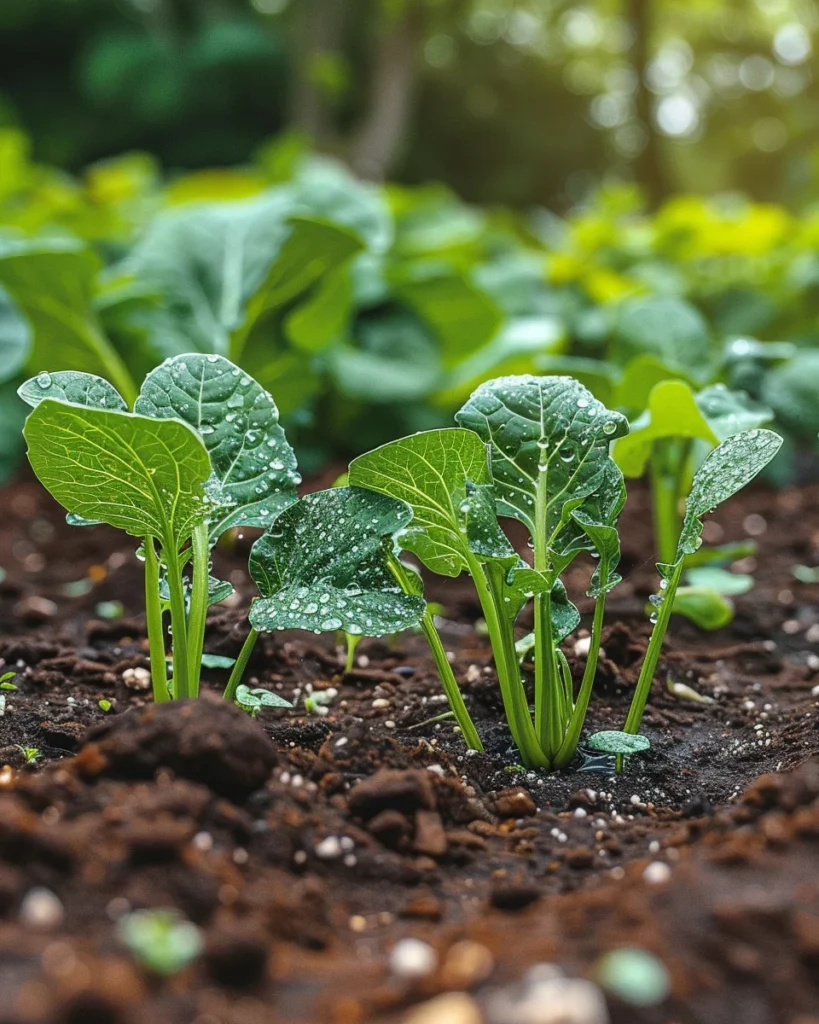
How to Grow Vegetables in Clay Soil: Breaking Down the Barriers to a Bountiful Garden
Intro for growing vegetables in clay soil
Clay soil presents unique challenges for vegetable gardeners, with its dense, compact nature that can restrict root growth and drainage. However, with the right approach, clay soil can be transformed into a fertile growing medium that produces abundant harvests. Clay soil actually has advantages—it retains nutrients exceptionally well and holds moisture during dry periods. This comprehensive guide will walk you through proven techniques to successfully grow vegetables in clay soil, from preparation and amendment strategies to choosing the right crops and maintaining healthy plants throughout the growing season. With some patience and proper techniques, your clay soil can become the foundation for a thriving vegetable garden.
When to plant vegetables in clay soil
Timing is crucial when planting in clay soil. Since clay warms up more slowly in spring, it’s best to wait until soil temperatures reach at least 10-12°C (50-54°F) before planting cool-season crops and 15-18°C (60-65°F) for warm-season vegetables. Clay soil is particularly susceptible to compaction when worked while wet, so patience is essential after rainfall. In most temperate regions, this means delaying spring planting by 2-3 weeks compared to sandy or loamy soils. Fall planting can be advantageous in clay soil gardens, as the ground retains summer warmth longer and autumn rains help soften the soil for easier working without the risk of spring compaction.
Best time to plant vegetables in clay soil
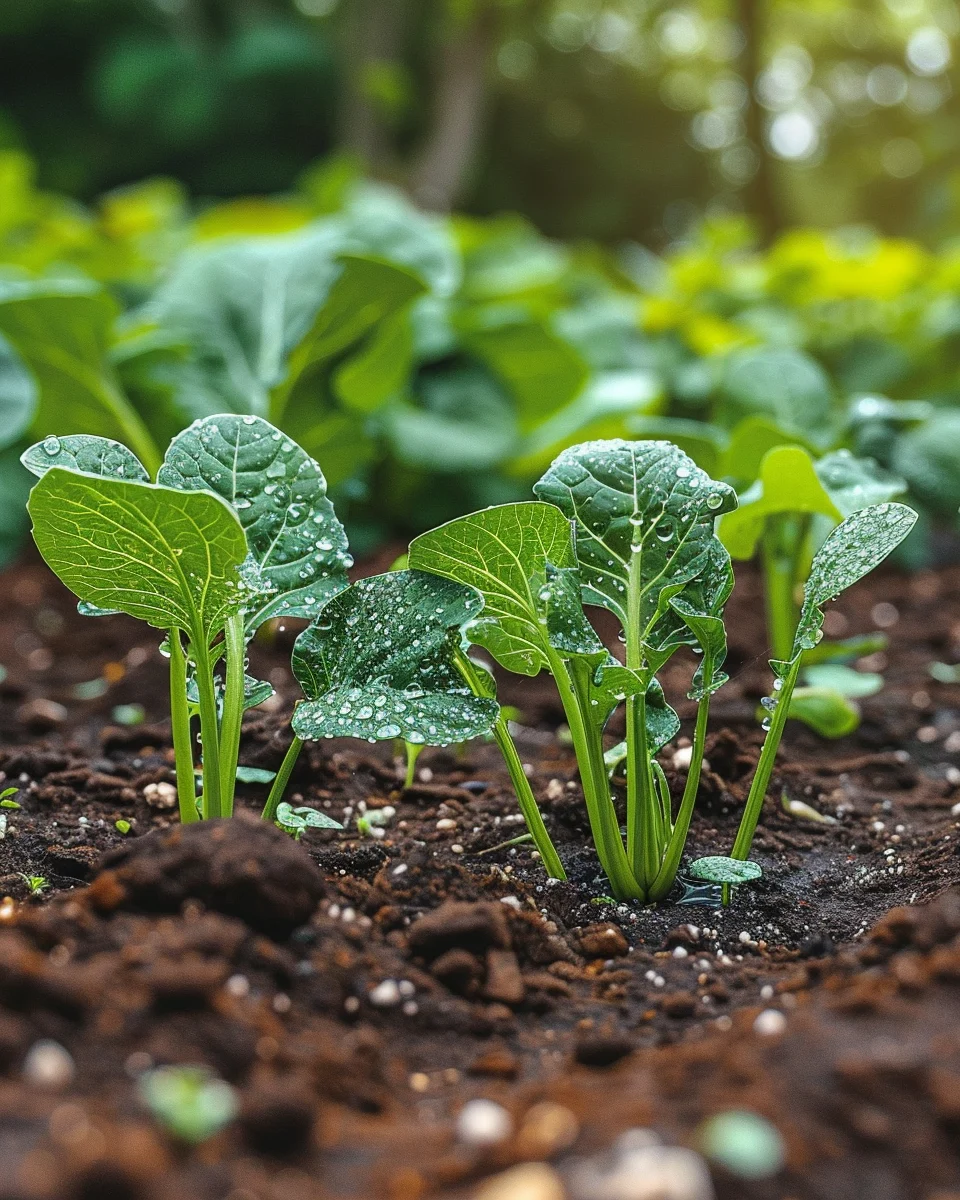
For cool temperate regions (UK, Northern US, Canada), mid-to-late spring (late April to May) is ideal for most vegetables once soil has dried sufficiently. In warmer regions (US Zones 7-9), early spring (March to April) works for cool-season crops, while warm-season vegetables should wait until late April to May when soil has properly warmed. For Mediterranean climates, fall planting (September to October) often yields better results than spring planting, as winter rains naturally break down clay structure. For all regions, transplanting established seedlings generally produces better results in clay soil than direct sowing, as young seedlings can struggle to emerge through crusted clay.
Best vegetables to grow in clay soil
- Brassicas (Broccoli, Cabbage, Kale) – Thrive in the nutrient-rich environment of clay soil and their strong roots can penetrate compacted ground.
- Leafy Greens (Swiss Chard, Collards) – Appreciate the moisture retention and nutrient availability of clay soils.
- Beans and Peas – Fix nitrogen in the soil while their roots help improve clay soil structure over time.
- Squash and Pumpkins – Their vigorous growth and broad leaves shade the soil, preventing it from forming a hard crust.
- Potatoes – The process of hilling potatoes naturally helps break up clay soil over successive seasons.
- Tomatoes – When planted in amended clay soil, they benefit from stable moisture levels and abundant nutrients.
- Leeks and Onions – Their straight roots can penetrate clay soil effectively once it’s been initially loosened.
How to plant vegetables in clay soil
Materials needed:
- Garden fork or broadfork
- Compost (plenty of it!)
- Organic matter (leaf mold, well-rotted manure)
- Gypsum (calcium sulfate)
- Coarse sand (if needed)
- Mulching materials
- Raised bed materials (optional)
Step-by-step planting process:
- Test soil drainage by digging a 30cm (12in) hole, filling with water, and checking drainage time—if water remains after 24 hours, drainage improvements are essential.
- Work soil only when it’s moist but not wet (soil should crumble, not form a sticky ball when squeezed).
- Use a garden fork or broadfork to loosen soil to a depth of 30-40cm (12-16in) without turning it over, which preserves soil structure.
- Add 10-15cm (4-6in) of compost and organic matter to the surface.
- Apply gypsum at a rate of 0.5kg per square meter (1lb per 10 square feet) if soil test indicates calcium deficiency.
- Gently incorporate amendments into the top 15-20cm (6-8in) of soil.
- Create raised planting beds or mounds 15-20cm (6-8in) high to improve drainage.
- Plant seedlings slightly higher than they were in their containers to prevent waterlogging.
- Water thoroughly but gently to avoid soil compaction.
- Apply a 5-7cm (2-3in) layer of mulch around plants, keeping it away from stems.
How to grow vegetables in clay soil
Vegetables in clay soil require careful attention to watering. While clay retains moisture well, it’s important to water deeply but less frequently to encourage roots to grow downward. Aim for 2.5-5cm (1-2in) of water per week, adjusting based on rainfall and temperature. Most vegetables need full sunlight (6+ hours daily), though leafy greens can tolerate partial shade in clay soil gardens.
Fertilize with balanced organic fertilizers at half the recommended strength but twice as often, as clay soil can bind nutrients. Apply liquid seaweed or compost tea monthly to improve soil biology. Mulch is essential—use straw, shredded leaves, or compost to prevent clay from crusting and to moderate soil temperature.
For container growing in clay soil, blend native soil with equal parts compost and coarse sand or perlite. Containers should be at least 30cm (12in) deep with excellent drainage holes. Elevate pots slightly to ensure water can escape freely.
Caring for vegetables in clay soil
Ongoing maintenance is crucial for clay soil gardens. Regularly add organic matter as mulch throughout the growing season, allowing it to naturally incorporate into the soil. Never walk on growing beds to prevent compaction. Common pests in clay soil include slugs and snails, which thrive in the moist environment—control them with diatomaceous earth barriers or copper tape around beds.
Root rot can be problematic in poorly drained clay; improve drainage and avoid overwatering if plants show yellowing leaves and stunted growth. Blossom end rot in tomatoes and peppers often occurs in clay soil due to calcium uptake issues—consistent watering and calcium supplements can help.
Harvest vegetables when the soil is relatively dry to minimize compaction. After the growing season, plant cover crops like clover or winter rye to continue improving soil structure during the off-season.
Understanding bolting in vegetables grown in clay soil
Bolting—when plants prematurely produce flowers and seeds—can be particularly problematic in clay soil gardens. The primary triggers include temperature fluctuations (clay soil’s slow warming can shock plants when sudden heat arrives), moisture stress (despite clay’s water-holding capacity, the water may not be easily available to plants), and restricted root growth in compacted soil.
Prevent bolting by planting heat-sensitive crops like lettuce, spinach, and radishes early in the season or in fall when temperatures are more stable. Create microclimate protection with shade cloth during hot periods. If bolting begins, harvest immediately for the best flavor, as vegetables quickly become bitter once the bolting process starts. Consider succession planting of bolt-prone crops every 2-3 weeks to ensure continuous harvest.
Why do vegetables turn bitter in clay soil?
- Nutrient imbalance – Clay can bind certain nutrients; add balanced organic fertilizer and compost to correct deficiencies.
- Heat stress – Clay’s poor drainage can lead to root stress during hot weather; mulch heavily to moderate soil temperature.
- Inconsistent watering – While clay holds water, it can become hydrophobic when dry; use drip irrigation for consistent moisture.
- Slow growth/maturity – Vegetables that grow too slowly in dense clay often develop bitter compounds; improve soil structure continuously.
- Variety selection – Some varieties simply perform poorly in clay; choose varieties specifically noted for clay soil tolerance.
Companion planting for vegetables in clay soil
Beneficial companions:
- Daikon radish and other deep-rooted plants – Their roots penetrate and break up clay soil naturally.
- Comfrey – Accumulates nutrients from deep in the soil and provides mineral-rich mulch when leaves are cut.
- Marigolds – Their roots exude compounds that improve soil microbial activity in clay.
- Clover (as living mulch) – Fixes nitrogen and creates channels in clay soil as roots die back.
- Nasturtiums – Provide ground cover that prevents clay from forming a hard crust in the sun.
Plants to avoid:
- Root vegetables (carrots, parsnips) struggle to develop properly in heavy clay without significant amendments.
- Mediterranean herbs (rosemary, thyme) prefer well-drained soil and often suffer root rot in clay.
- Strawberries develop crown rot easily in the wet conditions clay soil can create.
Seasonal calendar
- Late Winter (February): Apply compost and gypsum to beds; cover with plastic to help soil warm faster.
- Early Spring (March): Prepare beds when soil crumbles in hand; install drainage solutions if needed.
- Mid-Spring (April): Plant cool-season crops; prepare raised areas for warm-season vegetables.
- Late Spring (May): Plant warm-season vegetables when soil has warmed; mulch heavily.
- Summer (June-August): Monitor watering carefully; add additional mulch as needed; succession plant heat-tolerant varieties.
- Early Fall (September): Plant fall crops; begin adding organic matter to empty beds.
- Late Fall (October-November): Plant cover crops in unused areas; add amendments to be incorporated by winter freeze-thaw cycles.
- Winter (December-January): Plan next season’s layout based on which areas need the most soil improvement.
Problems & solutions
| Problem | Quick Fix |
|---|---|
| Waterlogged soil after rain | Create raised beds 15-20cm (6-8in) high; install French drains around garden perimeter |
| Hard, cracked soil in dry weather | Apply thick mulch year-round; incorporate more organic matter each season |
| Seedlings failing to emerge | Start seeds in containers and transplant; or cover seed rows with compost instead of clay soil |
| Stunted plant growth | Create deeper planting holes filled with amended soil; use raised beds or containers |
| Yellowing leaves/root rot | Improve drainage; avoid overwatering; add beneficial mycorrhizal fungi to planting holes |
| Nutrient deficiencies despite fertilizing | Use liquid organic fertilizers that are more readily available; adjust soil pH if needed |
| Soil too hard to work | Add organic matter in fall; use broadfork instead of tilling; try no-dig methods |
Common questions about growing vegetables in clay soil
How often should I water vegetables in clay soil?
Water deeply but less frequently than in sandy soil—typically once every 5-7 days, providing 2.5-5cm (1-2in) of water. Always check soil moisture at 5cm (2in) depth before watering; if still moist, delay watering.
Can I grow root vegetables in clay soil?
Yes, but they require extra preparation. Create raised beds with heavily amended soil (50% native clay mixed with 50% compost and coarse sand). Choose shorter root varieties like round carrots or baby turnips rather than long varieties.
Do I need to add sand to clay soil?
Adding sand alone can actually make clay soil more concrete-like. Only add coarse sand (not fine sand) in combination with plenty of organic matter. In most cases, focusing solely on organic matter is more effective than adding sand.
How long does it take to improve clay soil?
Significant improvement takes 2-3 growing seasons of consistent organic matter addition. However, you’ll see gradual improvements each season, especially in raised beds or deeply amended planting holes.
Can I use gypsum to break up clay soil?
Gypsum (calcium sulfate) can help improve soil structure in some clay soils, particularly those with sodium issues. Apply at a rate of 0.5kg per square meter (1lb per 10 square feet). However, it’s not a magic solution and works best in combination with organic matter.
Should I till clay soil?
Minimal tillage is best for clay soil. Deep tilling can create a hardpan layer and destroy soil structure. Instead, use a broadfork to loosen soil without turning it, then add amendments to the surface.
What’s the best mulch for vegetable gardens with clay soil?
Straw, shredded leaves, or partially decomposed compost make excellent mulches for clay soil gardens. Apply a 5-7cm (2-3in) layer, keeping it away from plant stems. These materials gradually break down and incorporate into the soil, improving its structure over time.