
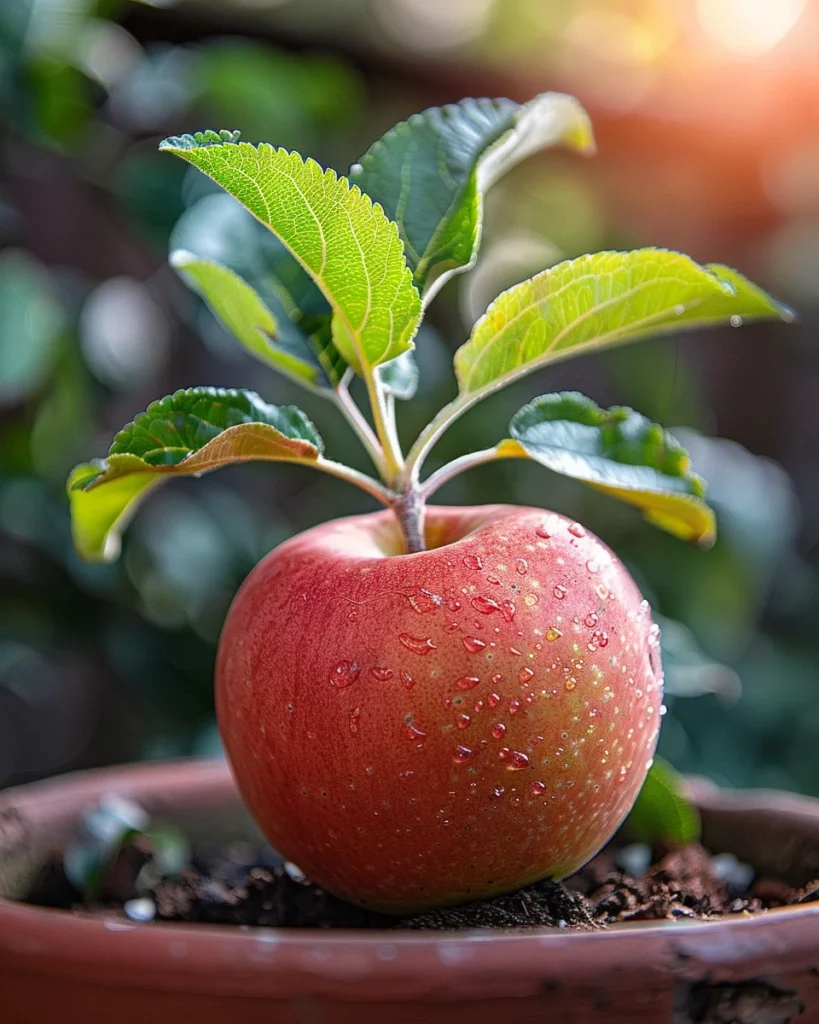
How to Grow Dwarf Apples in Containers: Space-Saving Fruit Trees for Any Garden
Intro for growing dwarf apples in containers
Growing dwarf apple trees in containers is the perfect solution for gardeners with limited space who still want to enjoy homegrown fruit. These compact trees, typically grafted onto dwarfing rootstocks, reach just 1.5-2.5m (5-8ft) tall, making them ideal for patios, balconies, and small gardens. Container-grown dwarf apples offer several advantages: they’re easier to protect from frost, simpler to harvest, take up minimal space, and can be moved as needed. Most varieties are self-fertile, though cross-pollination often improves yields. With proper care, these miniature fruit trees can provide years of delicious, fresh apples right outside your door.
When to plant dwarf apples in containers
Dwarf apple trees are best planted during their dormant season, from late autumn through early spring, when the trees are not actively growing. In temperate regions, November to March is ideal, avoiding periods when the ground is frozen or waterlogged. Container planting can extend slightly beyond these windows since you’re controlling the growing medium. Soil temperatures between 7-15°C (45-60°F) are optimal for root establishment. Avoid planting during summer heat or hard frosts, as either extreme stresses newly planted trees and reduces their chance of successful establishment.
Best time to plant dwarf apples in containers
In cool temperate regions (UK, Northern Europe, US Zones 4-6), plant bare-root dwarf apple trees from November to March, with February to early March often being optimal. In warmer regions (US Zones 7-9, Mediterranean), December to February provides the best planting window. Container-grown trees offer more flexibility and can be planted year-round if necessary, though autumn planting (September-November) gives trees time to establish roots before spring growth begins. Avoid planting during summer months unless you can provide consistent moisture and some protection from intense heat.
Best dwarf apple varieties to grow
- Malus ‘Braeburn’ – Excellent container variety with crisp, aromatic fruit and good disease resistance.
- Malus ‘Cox’s Orange Pippin’ – Classic English apple with exceptional flavor, though requires some attention to disease prevention.
- Malus ‘Gala’ – Reliable producer of sweet, crisp apples that stores well and adapts to various climates.
- Malus ‘Honeycrisp’ – Exceptionally crisp and juicy with excellent flavor balance and good container performance.
- Malus ‘Red Falstaff’ – Self-fertile variety with excellent disease resistance and rich, aromatic fruit.
- Malus ‘Elstar’ – Compact growth habit with crisp, juicy fruit that offers a good balance of sweetness and acidity.
- Malus ‘Discovery’ – Early-season variety with strawberry-tinged flesh, perfect for smaller containers.
How to plant dwarf apples in containers
Materials needed:
- Dwarf apple tree (M9 or M26 rootstock)
- Large container (minimum 45-60cm/18-24in diameter)
- High-quality potting mix with added compost
- Drainage material (broken pottery or gravel)
- Slow-release fertilizer
- Garden stake
- Tree tie
- Watering can or hose
Step-by-step planting:
- Select a container at least 45-60cm (18-24in) in diameter with multiple drainage holes.
- Place a 5cm (2in) layer of drainage material at the bottom of the container.
- Mix potting soil with about 25% compost and a handful of slow-release fertilizer.
- Fill the container halfway with the soil mixture.
- Remove the tree from its nursery pot and gently tease out any circling roots.
- Position the tree in the center of the container, ensuring the graft union (visible bulge on the trunk) sits about 5-7cm (2-3in) above the soil line.
- Fill around the roots with more soil mixture, firming gently as you go.
- Leave a 2.5cm (1in) gap between the soil surface and container rim for watering.
- Insert a stake for support, being careful not to damage roots, and secure the tree with a tree tie.
- Water thoroughly until water runs from the drainage holes.
How to grow dwarf apples in containers
Dwarf apples in containers need at least 6 hours of direct sunlight daily for optimal fruit production. Position your container in a sunny, sheltered spot protected from strong winds. Water consistently, checking the top 2.5cm (1in) of soil and watering when it feels dry—typically every 2-3 days during summer and less frequently in cooler months. Never let the container completely dry out.
Feed with a balanced, slow-release fertilizer in early spring, followed by a potassium-rich fertilizer (like tomato feed) every two weeks from when fruit begins forming until harvest. Mulch the soil surface with compost or bark chips to retain moisture, but keep mulch away from the trunk to prevent rot.
Prune in late winter to maintain an open, goblet-shaped structure, removing any crossing, damaged, or inward-growing branches. Container-grown trees require repotting every 2-3 years, moving to a slightly larger container each time until reaching your maximum manageable size, then root-pruning and refreshing the soil instead.
Caring for dwarf apples in containers
Thin developing fruit clusters in early summer, leaving one apple per cluster for larger, better-quality fruit. Monitor for common pests like aphids (treat with insecticidal soap), codling moth (use pheromone traps), and apple scab (choose resistant varieties and ensure good air circulation). Powdery mildew can be managed with proper spacing and fungicidal treatments if necessary.
Protect container trees from extreme winter cold by moving to a sheltered location or wrapping the container with bubble wrap. In spring, hand-pollinate flowers with a small brush if bee activity is limited. Harvest apples when they come away easily with a gentle twist—typically between August and October depending on the variety. Store sound fruit in a cool, dark place with good air circulation, checking regularly for any signs of spoilage.
Understanding bolting in dwarf apples in containers
Unlike vegetables, apple trees don’t bolt in the traditional sense. However, they can experience stress responses that affect fruit production. Environmental stressors like drought, extreme temperature fluctuations, or nutrient deficiencies can trigger excessive vegetative growth at the expense of fruit production. This is sometimes incorrectly referred to as “bolting” but is actually the tree’s survival response.
To prevent stress responses, maintain consistent watering (especially during fruit development), protect from temperature extremes, and ensure proper nutrition. If your tree produces excessive vegetative growth with little fruit, evaluate your watering and feeding regimen, and consider summer pruning to redirect energy to fruit production rather than leaf growth.
Why does dwarf apple fruit turn bitter?
- Immature harvesting – Picking fruit before it’s fully ripe often results in bitter, astringent taste; wait until fruit is properly colored and comes away easily.
- Variety characteristics – Some apple varieties naturally have more tannins and acidity; choose sweeter varieties if bitterness is a concern.
- Calcium deficiency – Can cause bitter pit, small dark spots with bitter flesh; apply calcium spray during the growing season.
- Inconsistent watering – Drought stress followed by heavy watering can affect fruit development and flavor; maintain even moisture.
- Pest damage – Certain insect infestations can cause fruit to develop bitter compounds as a defense mechanism; maintain regular pest monitoring.
Companion planting for dwarf apples in containers
Good companions:
- Chives and garlic – Repel aphids and apple scab with their sulfur compounds.
- Nasturtiums – Attract pollinators and act as a trap crop for aphids.
- Lavender – Attracts beneficial insects and repels some pests with its strong scent.
- Marigolds – Deter nematodes and other soil pests with natural compounds released from their roots.
- Comfrey – Deep roots mine nutrients that benefit nearby plants when leaves are used as mulch.
Avoid planting near:
- Walnut trees – Produce juglone, a natural growth inhibitor toxic to apple trees.
- Potatoes – Can host similar diseases and compete for nutrients.
- Other fruit trees – May compete for resources and increase pest/disease pressure.
Seasonal calendar
- January-February: Prune during dormancy; apply winter wash if needed.
- March: Apply slow-release fertilizer; last chance for bare-root planting.
- April: Protect blossoms from late frosts; hand-pollinate if necessary.
- May: Begin regular watering routine; watch for pest activity.
- June: Thin fruit clusters; apply potassium-rich fertilizer.
- July-August: Continue regular watering and feeding; early varieties may be ready for harvest.
- September-October: Main harvest period for most varieties; reduce watering as temperatures cool.
- November: Clean up fallen leaves and fruit; plant new bare-root trees.
- December: Protect containers from freezing; check stored fruit.
Problems & solutions
| Problem | Quick Fix |
|---|---|
| Few or no fruits forming | Ensure adequate pollination by planting compatible varieties nearby or hand-pollinating flowers. |
| Leaves with powdery white coating | Powdery mildew – improve air circulation, apply organic fungicide, and avoid overhead watering. |
| Wormy apples | Codling moth larvae – hang pheromone traps, apply organic pesticides at key times, or use fruit bags. |
| Curling leaves with sticky residue | Aphid infestation – spray with strong water jet, apply insecticidal soap, or introduce ladybugs. |
| Fruit with brown, corky patches | Bitter pit from calcium deficiency – apply calcium spray and maintain consistent watering. |
| Tree leaning or unstable | Reinforce staking and ensure container is heavy enough; consider a wider-based container. |
| Yellowing leaves | Likely nutrient deficiency – apply balanced fertilizer and check for proper drainage. |
Common questions about growing dwarf apples in containers
How often should I water my container-grown apple tree?
Check the top 2.5cm (1in) of soil and water when it feels dry. In summer, this might mean every 2-3 days; in cooler weather, perhaps weekly. Container trees dry out faster than ground-planted ones, so consistent monitoring is essential.
What size container do I need?
Start with a container at least 45-60cm (18-24in) in diameter and depth. As the tree grows, move up to a 60-75cm (24-30in) container. The larger the container, the more stable and drought-resistant your tree will be.
Do I need more than one apple tree for pollination?
Many modern dwarf varieties are self-fertile, but most produce better crops with cross-pollination. If space is limited, choose a self-fertile variety or plant different varieties that flower at the same time nearby.
How long until my container apple tree produces fruit?
Most dwarf apple trees in containers will produce their first fruits within 2-3 years of planting. Initial harvests will be small, with full production typically reached by year 4-5.
Can I grow dwarf apples in containers in cold climates?
Yes, but you’ll need to protect the roots from freezing in winter. Move containers to a sheltered location like an unheated garage during the coldest months, or wrap the container with insulating materials like bubble wrap or horticultural fleece.
How often should I repot my dwarf apple tree?
Repot every 2-3 years in late winter while the tree is dormant. Once the tree reaches your maximum manageable container size, root-prune and refresh the soil instead of increasing container size.
Why are my apples small and dropping prematurely?
This is often caused by inconsistent watering, inadequate feeding, or over-cropping. Ensure regular watering, proper fertilization, and thin fruit clusters early in the season to allow the tree to produce fewer but larger, better-quality apples.