
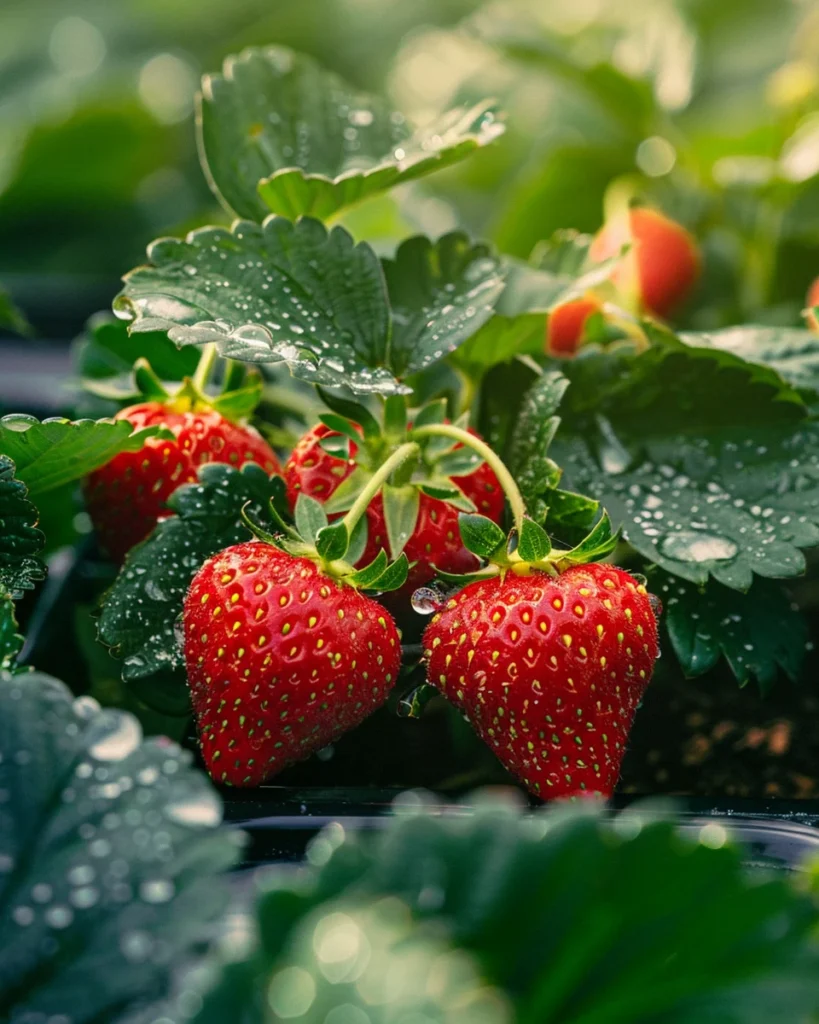
How to Grow Strawberries in Hydroponics NFT: A Year-Round Berry Growing Guide
Intro for growing strawberries in hydroponics NFT
Nutrient Film Technique (NFT) hydroponics offers an efficient, soil-free method for growing strawberries year-round. This system circulates a thin “film” of nutrient solution over the roots, providing optimal access to water, oxygen, and nutrients. Hydroponic strawberries typically yield 30% more fruit than soil-grown plants, mature faster, and can be harvested continuously in controlled environments. NFT systems are particularly advantageous for strawberries as they keep the fruits elevated away from moisture, reducing rot and disease. This space-efficient method works in any climate, making fresh, homegrown strawberries accessible regardless of season or location.
When to plant strawberries in hydroponics NFT
One of the greatest advantages of hydroponic strawberry cultivation is freedom from seasonal constraints. Unlike outdoor growing, which depends on soil temperatures of 10-13°C (50-55°F) and frost-free conditions, NFT systems can be started any time of year when grown indoors. For greenhouse or partially sheltered setups, it’s best to establish plants during mild seasons—spring or fall—when temperature control requires less intervention. In temperate regions, starting between March-May or September-October provides optimal conditions for young plants to establish before extreme temperatures arrive.
Best time to plant strawberries in hydroponics NFT
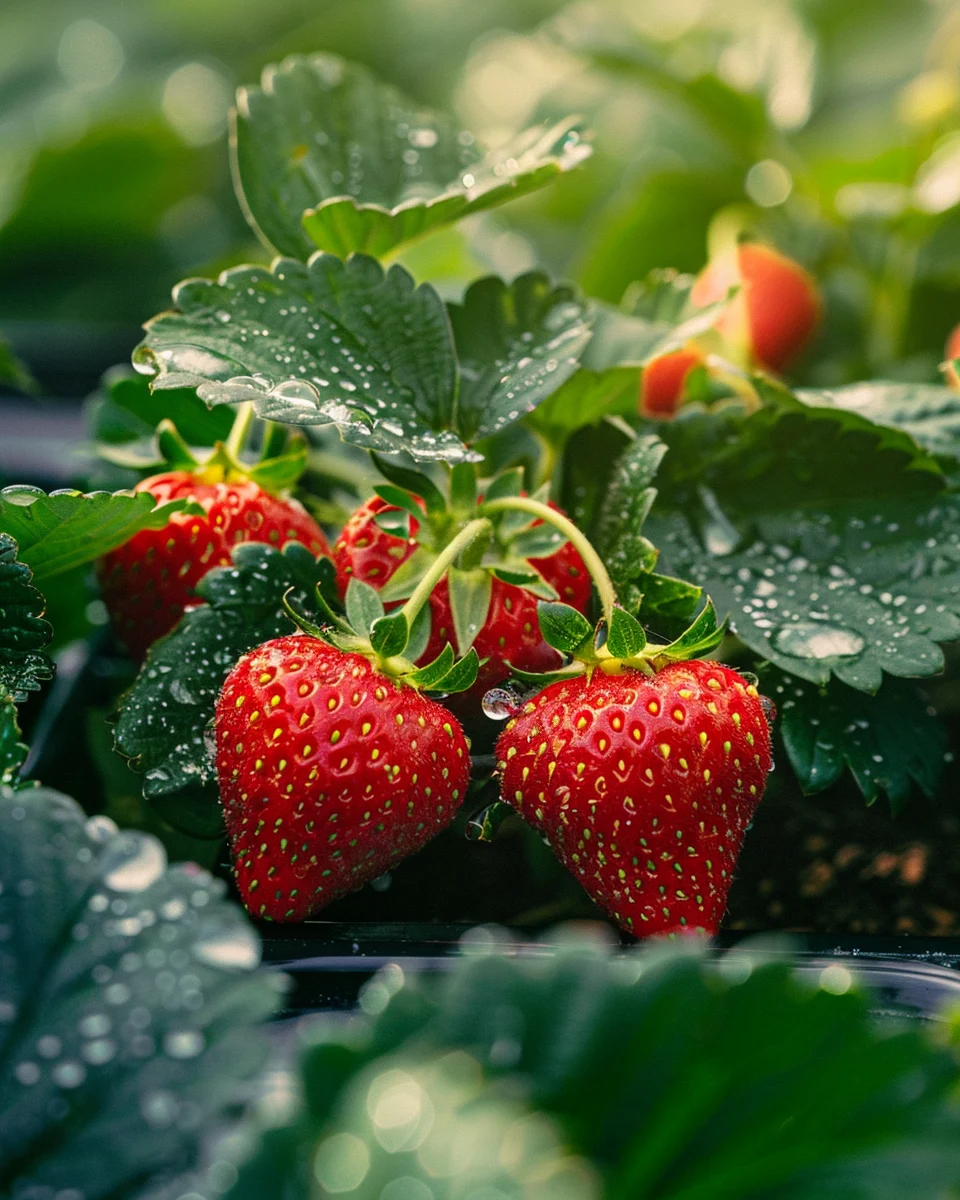
For indoor NFT systems with controlled environments, any month is suitable for planting. However, timing considerations change for systems with less climate control. In cool temperate regions (UK, Northern US), establish plants in early spring (March-April) to maximize natural light during the growing season. In warmer climates (US Zones 8-10, Mediterranean), fall planting (September-October) avoids summer heat stress during the establishment phase. For year-round production in commercial-style setups, stagger plantings every 8-10 weeks to ensure continuous harvests.
Best strawberry varieties to grow in hydroponics NFT
- Albion – Day-neutral variety that produces continuously, ideal for NFT systems with excellent disease resistance and sweet, firm berries.
- Seascape – High-yielding day-neutral variety with exceptional flavor and good tolerance to varying pH levels in hydroponic systems.
- San Andreas – Large, conical fruits with excellent shelf life and disease resistance, particularly to powdery mildew common in hydroponic environments.
- Tribute – Compact growth habit perfect for NFT channels with good heat tolerance and continuous fruiting.
- Mara des Bois – Gourmet variety with intense wild strawberry flavor and aroma, adapts well to controlled hydroponic conditions.
- Portola – Day-neutral variety with high productivity and excellent root development in NFT systems.
- Sweet Charlie – Early producer with disease resistance and sweet berries that perform well in slightly warmer nutrient solutions.
How to plant strawberries in hydroponics NFT
Materials needed:
- NFT channels/gutters (food-grade PVC or similar)
- Submersible water pump
- Reservoir tank (20+ gallons/75+ liters)
- Hydroponic nutrient solution formulated for fruiting plants
- Net pots (2-3 inch/5-7.5 cm)
- Growing medium (rockwool cubes, coconut coir, or oasis cubes)
- pH and EC/TDS meters
- Strawberry bare root plants or runners
- Timer for pump cycling
- Optional: grow lights for indoor setups
Step-by-step planting process:
- Assemble your NFT system with channels positioned at a 1-2% slope to ensure proper drainage back to the reservoir.
- Drill holes in the top of the channels sized to fit your net pots, spacing them 8-10 inches (20-25 cm) apart.
- Fill the reservoir with water and add nutrients according to manufacturer’s instructions for strawberries (typically EC 1.0-1.2 for young plants).
- Adjust pH to 5.8-6.2, which is optimal for strawberry nutrient uptake.
- For bare root plants, trim roots to 3-4 inches (7.5-10 cm) and place in pre-moistened growing medium in net pots.
- Position the crown (where stems meet roots) at the top of the growing medium—burying crowns leads to rot.
- Insert planted net pots into the channel holes, ensuring roots reach down into the channel.
- Set the pump timer to cycle nutrient solution through channels for 15 minutes on, 15 minutes off during daylight hours (continuous flow for hot conditions).
- For the first 5-7 days, run the system at a higher flow rate to ensure roots establish contact with the nutrient solution.
- Maintain ambient temperature between 65-75°F (18-24°C) for optimal root development.
How to grow strawberries in hydroponics NFT
Strawberries in NFT systems require 10-12 hours of light daily. For indoor setups, use full-spectrum LED grow lights positioned 12-18 inches (30-45 cm) above plants. In greenhouses, supplement natural light during shorter winter days. Maintain nutrient solution temperature between 65-70°F (18-21°C) for optimal root health.
Check reservoir levels daily, topping up with fresh water as needed. Complete nutrient solution changes every 7-14 days to prevent salt buildup. For mature plants, maintain EC levels between 1.2-1.6 (higher during fruiting) and monitor pH daily, adjusting to 5.8-6.2 as needed.
Prune runners regularly to direct energy to fruit production rather than plant propagation. Remove the first flush of flowers on newly established plants to encourage stronger root and foliage development. For container-based NFT systems, ensure channels are supported adequately as plants mature and become heavier with fruit.
During flowering, gently shake plants or use a small brush to transfer pollen between flowers for better fruit set. In enclosed environments, consider introducing small fans to improve pollination and reduce humidity around plants.
Caring for strawberries in hydroponics NFT
Weekly maintenance includes checking for and clearing any channel blockages, inspecting irrigation emitters, and cleaning any algae buildup on exposed parts of the system. Monthly, disassemble and clean filters and pump components.
Common pests in hydroponic strawberries include spider mites and aphids. For spider mites (tiny specks with fine webbing), introduce predatory mites or spray with insecticidal soap. For aphids (small green/black insects on new growth), use neem oil or introduce ladybugs as natural predators.
Powdery mildew appears as white powder on leaves and can be treated with potassium bicarbonate solutions. Root rot, indicated by brown, slimy roots and wilting, requires immediate action: increase oxygen in the solution, reduce nutrient concentration temporarily, and consider adding beneficial bacteria like Bacillus subtilis to the reservoir.
Harvest berries when fully colored and slightly soft to touch, typically 20-30 days after flowering. Pick in the morning when flavors are most concentrated. Strawberries don’t ripen after picking, so patience yields the best flavor. Store unwashed berries in the refrigerator for up to 5 days, washing only before consumption.
Understanding bolting in strawberries in hydroponics NFT
While true bolting (premature flowering and seed production) is not an issue for strawberries as it is for leafy greens, strawberries can experience similar stress responses. “Runner proliferation” is the strawberry equivalent, where plants produce excessive runners instead of focusing on fruit production. This typically occurs due to heat stress (temperatures consistently above 80°F/27°C), nutrient imbalances (particularly nitrogen excess), or photoperiod disruptions.
To prevent runner proliferation, maintain consistent temperatures below 78°F (25.5°C) in your growing environment and nutrient solution. Balance nutrient solutions carefully, avoiding excessive nitrogen which promotes vegetative growth over fruiting. For day-neutral varieties, provide consistent light cycles; for June-bearing varieties, respect their natural photoperiod requirements.
If excessive runner production occurs, promptly remove all runners to redirect energy to fruit development. Temporarily reduce nutrient strength by 25% and ensure calcium levels are adequate, as calcium deficiency can trigger stress responses in strawberry plants.
Why does strawberries in hydroponics NFT turn bitter?
- Nutrient imbalance – Excessive nitrogen or potassium deficiency can cause bitterness; adjust nutrient solution to fruiting formula with higher P-K ratios.
- Temperature fluctuations – Consistent temperatures above 80°F (27°C) or below 55°F (13°C) affect sugar development; stabilize growing environment temperature.
- Insufficient light – Inadequate light intensity prevents proper sugar development; ensure minimum 10-12 hours of full-spectrum light.
- Harvesting timing – Picking under-ripe berries results in tartness; wait until berries are fully colored and slightly soft.
- Variety selection – Some varieties naturally have higher acidity; consider switching to naturally sweeter cultivars like Sweet Charlie or Albion.
Companion planting for strawberries in hydroponics NFT
While traditional companion planting applies to soil gardens, hydroponic NFT systems can incorporate compatible plants in the same nutrient circuit:
Good companions:
- Lettuce – Shallow root system doesn’t compete with strawberries and thrives in similar nutrient profiles.
- Spinach – Compatible nutrient requirements and can be harvested before strawberries reach maximum production.
- Basil – May help repel certain insects and has similar pH preferences to strawberries.
- Chives – Can deter aphids and spider mites while requiring similar nutrient solutions.
- Mint – Deters pests but must be contained in separate channels to prevent overtaking the system.
Avoid growing with:
- Tomatoes – Compete for nutrients and can transmit diseases to strawberries.
- Brassicas (cabbage, kale) – Require different nutrient profiles and can stunt strawberry growth.
- Cucumbers – Aggressive feeders that will outcompete strawberries for nutrients.
Seasonal calendar
- January-February: For indoor systems, maintain plants, harvest continuously; prepare new systems for spring planting.
- March-April: Ideal time to start new NFT systems; increase nutrient strength as daylight increases; clean and sterilize any existing systems.
- May-June: Peak production period; increase potassium in nutrient solution; monitor for pests as temperatures rise; harvest daily.
- July-August: Manage heat stress; increase flow rate during hot periods; provide shade if needed; continue harvesting.
- September-October: Second ideal planting window; reduce nutrient strength for aging plants; remove older plants and replace if productivity declines.
- November-December: For indoor systems, supplement lighting as days shorten; reduce nutrient strength slightly; clean systems thoroughly if replacing plants.
Problems & solutions
| Problem | Quick Fix |
|---|---|
| Yellow leaves | Check for nutrient deficiencies (often iron); adjust pH to 5.8-6.2 to improve nutrient availability. |
| Small, deformed fruit | Improve pollination with gentle shaking or a small brush; ensure adequate calcium in nutrient solution. |
| Algae in channels | Cover exposed parts of system with light-blocking material; add food-grade hydrogen peroxide (3ml per gallon) to reservoir. |
| Wilting plants despite wet roots | Check for root rot; increase oxygen with air stones in reservoir; reduce nutrient concentration temporarily. |
| Nutrient solution heating up | Insulate reservoir; consider a small aquarium chiller; place system in cooler location or add frozen water bottles to reservoir. |
| Pump failure | Keep backup pump on hand; temporarily hand-water plants through channels until fixed; check electrical connections and clean pump intake. |
| Clogged channels | Flush system with clean water; check and clean filters; increase channel slope slightly for better flow. |
Common questions about growing strawberries in hydroponics NFT
How often should I change the nutrient solution?
Complete solution changes should occur every 7-14 days, depending on plant maturity and ambient temperature. Top up with fresh water between changes as evaporation occurs, and adjust nutrient concentration weekly based on EC readings.
What spacing do strawberries need in NFT channels?
Space plants 8-10 inches (20-25 cm) apart in channels to allow adequate room for crown development and air circulation. For vertical NFT systems, maintain at least 12 inches (30 cm) between vertical rows.
Can I use my existing outdoor strawberry plants in an NFT system?
Yes, but they require careful transition. Gently wash all soil from roots, trim to 3-4 inches (7.5-10 cm), and place in growing medium. Expect a 1-2 week adjustment period with some leaf drop before new growth appears.
How long will strawberry plants produce in an NFT system?
With proper care, day-neutral varieties can produce continuously for 8-10 months in NFT systems before productivity declines. June-bearing varieties typically have a shorter productive period of 4-6 months.
What size reservoir do I need for my NFT strawberry system?
Allow 1-2 gallons (4-8 liters) of nutrient solution per plant. For a system with 10 plants, a 20-gallon (75-liter) reservoir provides adequate buffer against rapid pH and temperature changes.
Why are my strawberry leaves curling in the NFT system?
Leaf curl typically indicates environmental stress—either nutrient solution too concentrated (high EC), heat stress, or calcium deficiency. Check EC levels, ensure solution temperature stays below 75°F (24°C), and verify calcium levels in your nutrient formula.
Can I grow strawberries in NFT year-round?
Yes, with proper environmental controls. Indoor systems with supplemental lighting can produce continuously. Greenhouse systems may require heating in winter and cooling in summer to maintain optimal growing temperatures of 65-75°F (18-24°C).