
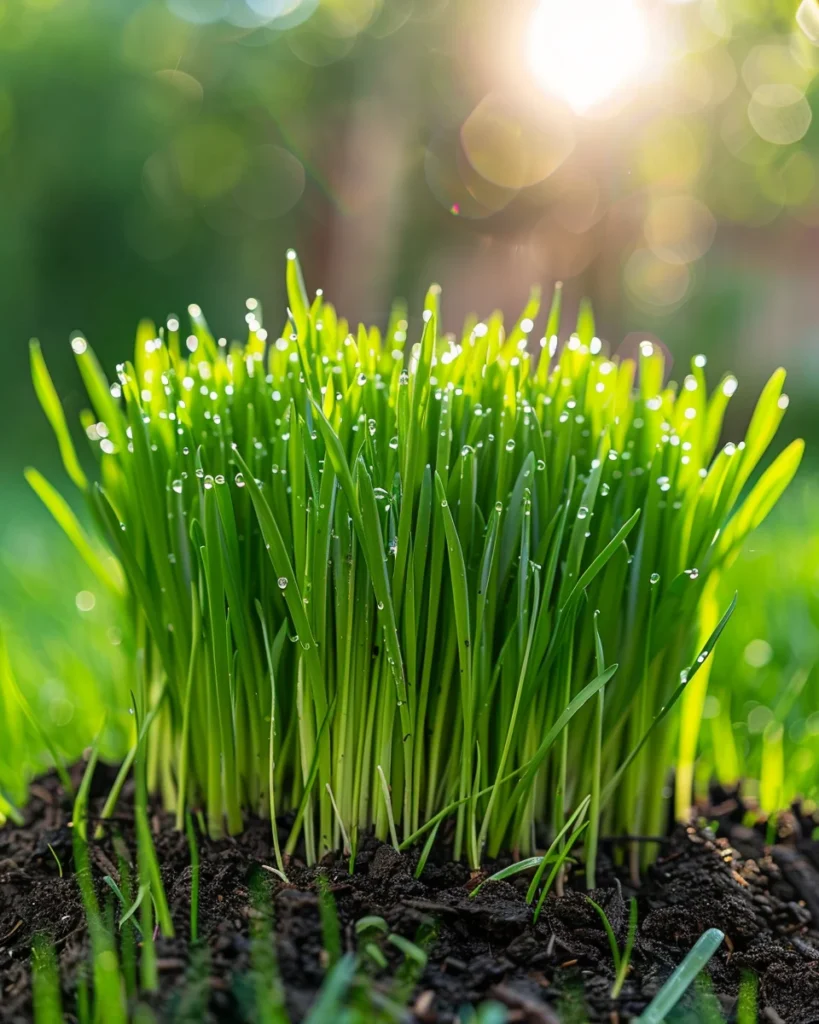
How to Grow Wheatgrass for Juicing: When to Plant, Best Varieties & Care Guide
Intro for growing wheatgrass for juicing
Wheatgrass is a nutrient-dense young grass of the common wheat plant (Triticum aestivum) that’s harvested early in its growth cycle when it’s most nutritious. Packed with chlorophyll, vitamins, minerals, and enzymes, wheatgrass has become a popular addition to home juicing routines. Growing your own wheatgrass ensures the freshest possible juice and saves money compared to buying pre-grown trays or shots. The good news is that wheatgrass is one of the easiest crops to grow at home – it requires minimal space, grows quickly (ready to harvest in 7-10 days), and can be grown indoors year-round regardless of climate. Whether you have a sunny windowsill or a small corner in your kitchen, you can successfully grow this superfood for your daily juicing needs.
When to plant wheatgrass for juicing
Wheatgrass is incredibly versatile when it comes to planting times. Since it’s typically grown indoors, you can start wheatgrass at any time of year. If growing outdoors, plant when soil temperatures reach 10-18°C (50-65°F) and all danger of frost has passed. In most temperate regions, this means spring through early fall. For continuous harvests, start new trays every 7-10 days. Unlike many garden plants, wheatgrass doesn’t require seasonal timing considerations as it’s harvested young before weather conditions significantly impact its growth. This makes it an ideal crop for beginners or those looking for consistent year-round production regardless of outdoor growing conditions.
Best time to plant wheatgrass for juicing
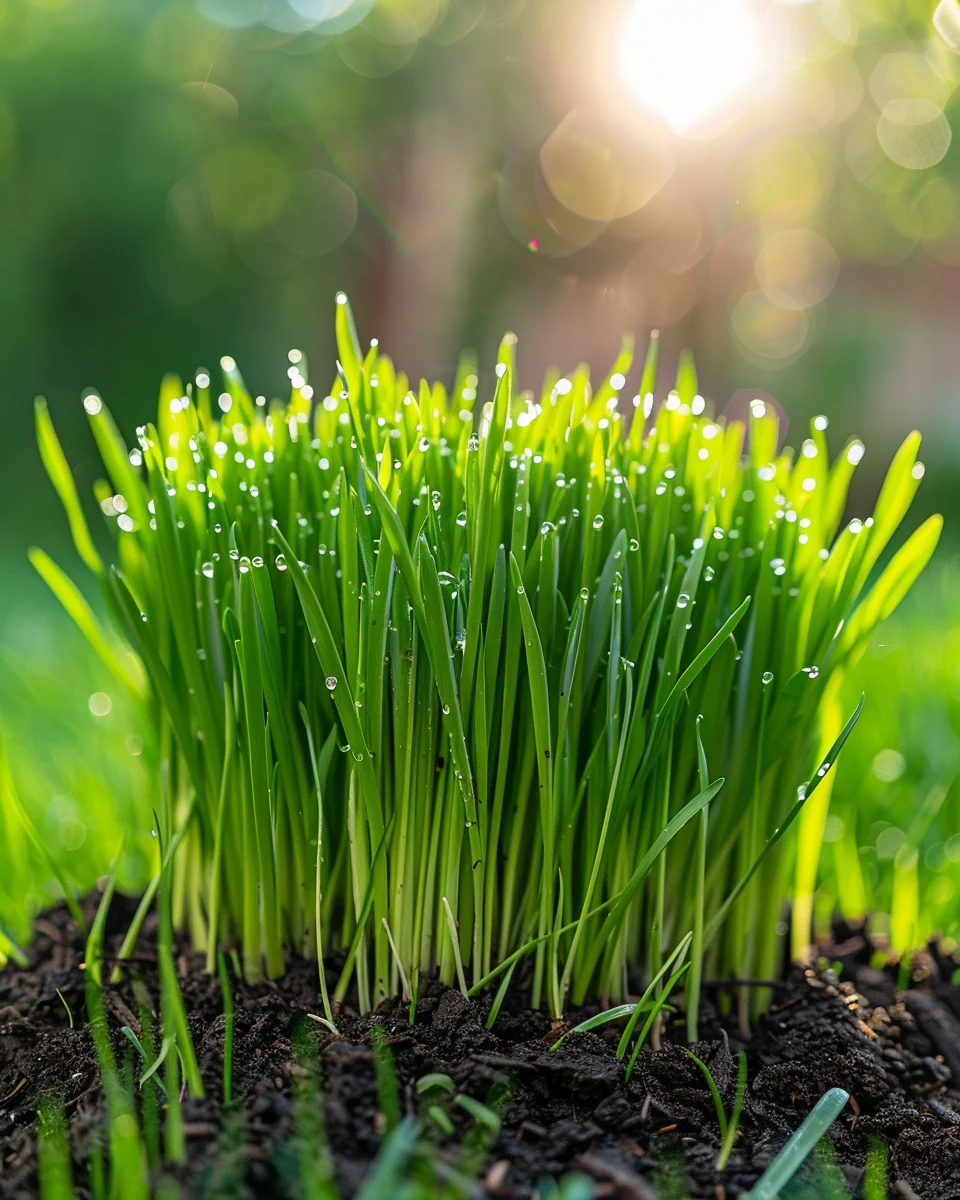
For indoor growing (the most common method for juicing), any time is suitable as long as you maintain appropriate growing conditions. If growing outdoors or in unheated spaces, the optimal windows are:
Cool climate regions (UK, Northern US, Canada): April through September
Moderate climate regions (US Zones 7-9): March through October
Warm climate regions (US Zones 10-11, Mediterranean): Year-round with shade during summer months
Wheatgrass is always direct-sown from seed rather than transplanted. For the most efficient juicing routine, start new trays on a weekly rotation to ensure continuous fresh harvests. Indoor growers can maintain this schedule year-round regardless of outdoor conditions.
Best wheatgrass varieties to grow
- Hard Red Wheat – Most commonly used for wheatgrass juicing with excellent nutritional profile and robust flavor.
- Soft White Wheat – Produces a milder, sweeter juice that some find more palatable for beginners.
- Kamut (Khorasan Wheat) – Ancient grain variety with higher protein content and richer mineral profile than modern wheat.
- Spelt – Another ancient grain that produces nutritious wheatgrass with a slightly different nutrient composition.
- Winter Wheat Berries – Particularly good for cool-season growing with high germination rates.
- Spring Wheat Berries – Excellent for warm-season growing with consistent results.
- Organic Wheat Berries – Any wheat variety grown without pesticides, ideal for health-conscious juicers.
How to plant wheatgrass for juicing
Materials needed:
- Organic wheat berries/seeds (untreated)
- Shallow trays with drainage holes (1-2 inches/2.5-5cm deep)
- Organic potting soil or coco coir
- Spray bottle
- Paper towels or cloth
- Watering can with fine spout
- Scissors for harvesting
Step-by-step planting:
- Soak wheat berries in cool water for 8-12 hours to initiate germination.
- Drain seeds and rinse thoroughly, then place in a jar covered with mesh or cheesecloth for 24-48 hours, rinsing twice daily until tiny sprouts appear.
- Fill your growing tray with 1-1.5 inches (2.5-4cm) of pre-moistened potting soil or coco coir.
- Spread the pre-sprouted seeds evenly across the soil surface in a dense layer (seeds should be touching but not piled on each other).
- Mist the seeds with water using a spray bottle.
- Cover the tray with another inverted tray or damp paper towel to create darkness and humidity.
- Place in a warm location (65-75°F/18-24°C) but out of direct sunlight.
- Check daily and mist to keep seeds moist until roots establish (2-3 days).
- Once roots have grown into the soil, remove the cover and move to a location with indirect sunlight.
- Water daily by pouring water into the tray bottom rather than from above to prevent mold.
How to grow wheatgrass for juicing
Wheatgrass thrives in bright, indirect sunlight. Direct sun can scorch the tender blades, while insufficient light results in pale, weak growth. A north or east-facing windowsill is often ideal. If using artificial lighting, position grow lights 6-12 inches (15-30cm) above the grass and provide 12-14 hours of light daily.
Watering is crucial for wheatgrass success. Once established, water daily by adding water to the tray bottom rather than overhead watering, which can promote mold. Allow excess water to drain completely. The soil should remain consistently moist but never soggy.
Fertilizing is generally unnecessary for wheatgrass since it’s harvested before nutrient depletion becomes an issue. If growing multiple harvests from the same tray, a light application of diluted liquid seaweed fertilizer between crops can be beneficial.
For container growing (the standard method), ensure trays have drainage holes and are at least 1.5-2 inches (4-5cm) deep. Shallow containers work well as wheatgrass has a fibrous, shallow root system. Plastic, metal, or wood trays all work effectively, though plastic is most common for ease of cleaning between crops.
Temperature is important – wheatgrass grows best between 60-75°F (15-24°C). Higher temperatures can lead to mold issues, while cooler temperatures slow growth.
Caring for wheatgrass for juicing
Daily care is minimal but important. Check moisture levels daily and water as needed. Ensure good air circulation to prevent mold, which is the most common issue with wheatgrass. If growing multiple trays, rotate their positions to ensure even light exposure.
Common pests and diseases:
- Mold/fungus – Appears as white fuzz on seeds or soil; improve air circulation, reduce watering, and ensure proper drainage. In severe cases, discard the affected tray.
- Yellowing – Usually indicates overwatering or poor drainage; adjust watering schedule and ensure trays drain properly.
- Thin growth – Often due to insufficient seed density; use more seeds in future plantings.
Harvest wheatgrass when it reaches 7-10 inches (18-25cm) tall, typically 7-10 days after planting. Use clean scissors to cut the grass about 1/2 inch (1.3cm) above the soil level. For the best nutritional profile and flavor, harvest just before juicing. Wheatgrass doesn’t store well once cut – if necessary, wrap cut grass in a damp paper towel and refrigerate for up to 7 days, though nutritional value diminishes quickly.
Understanding bolting in wheatgrass for juicing
Unlike many garden vegetables, bolting isn’t a significant concern with wheatgrass for juicing since it’s harvested at such a young stage. Bolting refers to a plant’s shift from vegetative growth to seed production, typically triggered by heat, longer daylight hours, or stress. If wheatgrass is left to grow beyond the optimal harvest stage (10-12 days), it will naturally continue its growth cycle toward seed production.
If you notice your wheatgrass developing seed heads or becoming tough and fibrous, it’s simply too mature for optimal juicing. At this point, the flavor becomes more bitter and the grass tougher to process. The solution is straightforward – harvest earlier in future plantings, typically when the grass is 7-10 inches tall and still in its sweet, tender stage. Some growers prefer to harvest even earlier, at the “jointing stage” when the first joint appears in the grass blade, as this is when chlorophyll and nutrient levels are considered optimal.
Why does wheatgrass turn bitter?
- Over-maturity – Harvesting too late (beyond 10-12 days) allows the grass to develop compounds that create bitterness; harvest earlier when grass is 7-10 inches tall.
- Heat stress – Growing in temperatures above 75°F (24°C) can cause bitterness; move to a cooler location or improve air circulation.
- Light issues – Too much direct sunlight can cause bitterness; provide bright but indirect light.
- Water quality – Chlorinated water can affect flavor; use filtered or standing water that has off-gassed chlorine.
- Soil problems – Poor quality growing medium can affect flavor; use fresh organic potting soil or coco coir for each planting.
Companion planting for wheatgrass for juicing
Since wheatgrass for juicing is typically grown in dedicated trays rather than in garden beds, traditional companion planting is less relevant. However, if incorporating wheatgrass into a larger indoor growing setup:
Good companions:
- Microgreens – Similar growing conditions make various microgreens excellent companions in a growing area.
- Sprouts – Bean sprouts, alfalfa, and other sprouting seeds have similar requirements and complement wheatgrass in juicing recipes.
- Herbs – Mint, parsley, and cilantro grow well in similar conditions and can be juiced alongside wheatgrass.
- Lettuce – Shallow-rooted lettuce varieties can be grown in similar conditions and harvested young.
Avoid growing near:
- Heat-loving plants – Peppers, tomatoes, and other plants requiring warmer conditions will create an environment too warm for optimal wheatgrass growth.
- Plants requiring strong direct sunlight – These create incompatible growing environments and compete for space.
Seasonal calendar
- January-December (Indoor growing) – Sow, grow, and harvest year-round in 7-10 day cycles.
- March-April (Cool regions) – Begin outdoor growing when temperatures consistently remain above 50°F (10°C).
- May-August (Cool regions) – Peak outdoor growing season; may need shade cloth during hottest periods.
- September-October (Cool regions) – Final outdoor sowings before temperatures drop.
- October-February (Cool regions) – Focus on indoor growing only.
- Year-round (Warm regions) – Outdoor growing possible with shade during summer months.
Problems & solutions
| Problem | Quick Fix |
|---|---|
| Mold/fungus | Improve air circulation, reduce watering, ensure proper drainage, discard severely affected trays |
| Yellow grass | Check drainage, reduce watering, ensure adequate (but not direct) sunlight |
| Thin, spindly growth | Increase seed density, improve light conditions, maintain proper temperature range |
| Slow growth | Increase ambient temperature to 65-75°F (18-24°C), check light levels |
| Bitter taste | Harvest earlier, check growing temperature, use filtered water |
| Seeds not germinating | Ensure seeds are fresh, soak properly, maintain consistent moisture during germination |
| Root rot | Improve drainage, reduce watering frequency, ensure trays have proper drainage holes |
Common questions about growing wheatgrass for juicing
Q: How often should I water my wheatgrass?
A: Check daily and water when the top of the soil begins to feel dry. Water from the bottom by adding water to the tray rather than spraying from above to reduce mold risk.
Q: How much sunlight does wheatgrass need?
A: Wheatgrass prefers bright, indirect sunlight. Direct sun can scorch the leaves, while too little light results in pale, weak growth. A north or east-facing window is often ideal.
Q: What size container is best for growing wheatgrass?
A: Shallow trays 1.5-2 inches (4-5cm) deep with drainage holes work best. The footprint can vary based on your needs, but standard 10″×20″ (25×50cm) nursery trays are popular for larger harvests.
Q: How densely should I plant wheatgrass seeds?
A: Seeds should be spread densely enough to touch but not overlap or pile up. Typically, use about 1-1.5 cups of pre-soaked seeds per 10″×20″ tray.
Q: Can wheatgrass tolerate cold or hot temperatures?
A: Wheatgrass grows best between 60-75°F (15-24°C). It can tolerate cooler temperatures (growth will slow) but struggles in heat above 80°F (27°C), which can cause mold issues and bitter flavor.
Q: How many times can I harvest from one tray?
A: Most growers harvest just once from each tray for optimal nutrition and flavor. Second cuttings are possible but will be slower to regrow and may have diminished nutritional value.
Q: How much wheatgrass should I grow for daily juicing?
A: A standard 10″×20″ tray yields approximately 15-20 1-oz shots of wheatgrass juice. For daily consumption, many people maintain a rotation of 2-3 trays at different growth stages.