
How to Grow Rudbeckia Black-Eyed Susan in Clay Soil: When to Plant, Best Varieties & Care Tips
Intro for growing Rudbeckia Black-Eyed Susan in clay
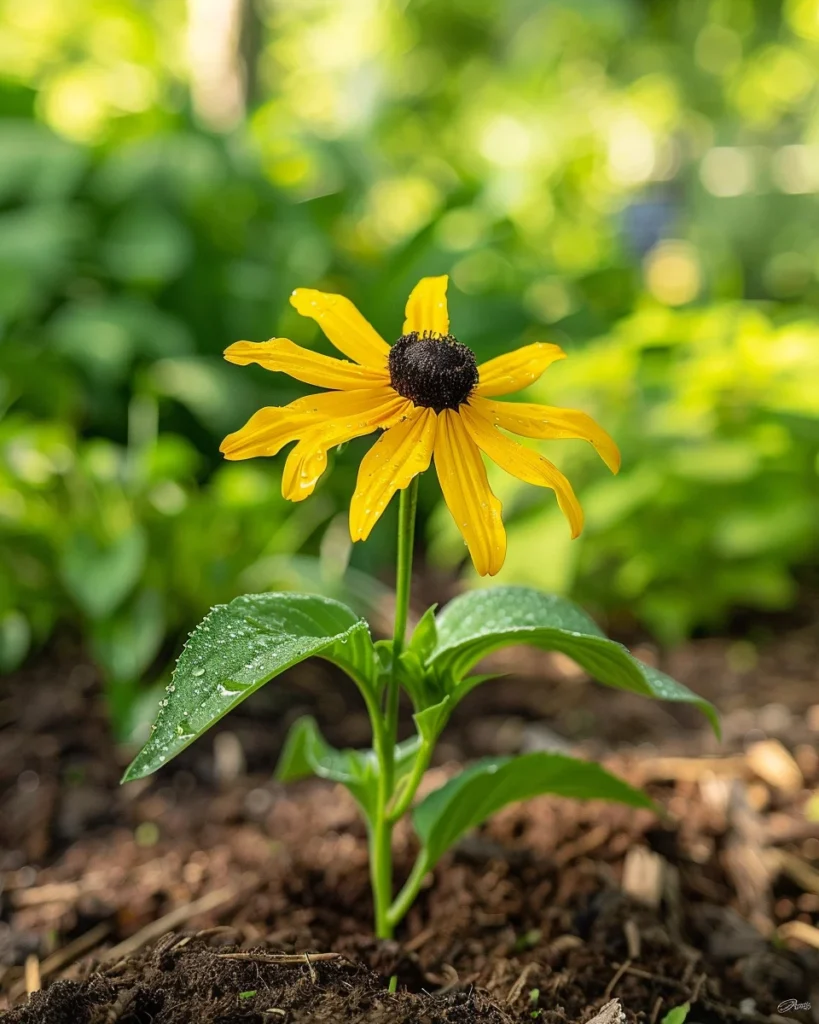
Rudbeckia, commonly known as Black-Eyed Susan, is a cheerful, daisy-like perennial that can thrive even in challenging clay soil conditions. These golden blooms with distinctive dark centers bring reliable color to gardens from midsummer through fall, attracting pollinators and adding structure to perennial borders. Native to North America, Rudbeckia is remarkably adaptable and drought-tolerant once established, making it perfect for gardeners dealing with heavy clay soil. With minimal maintenance requirements and impressive resilience, Black-Eyed Susans offer long-lasting blooms in sunny locations and can naturalize beautifully in meadow-style plantings. Their ability to improve clay soil over time makes them an excellent choice for gardeners looking to transform challenging garden conditions.
When to plant Rudbeckia Black-Eyed Susan in clay
Rudbeckia can be planted in clay soil during spring or early fall when soil temperatures range between 15-21°C (60-70°F). Spring planting (after the last frost date) gives plants time to establish before summer heat, while fall planting (at least 6 weeks before first frost) allows root development before winter dormancy. In cooler temperate regions (UK, US Zones 4-6), aim for mid-to-late spring planting once soil can be worked. In warmer regions (US Zones 7-9), early fall planting often yields better results as plants can establish during cooler temperatures. Rudbeckia is frost-hardy once established, but young plants should be protected from late spring or early fall frosts.
Best time to plant Rudbeckia Black-Eyed Susan in clay
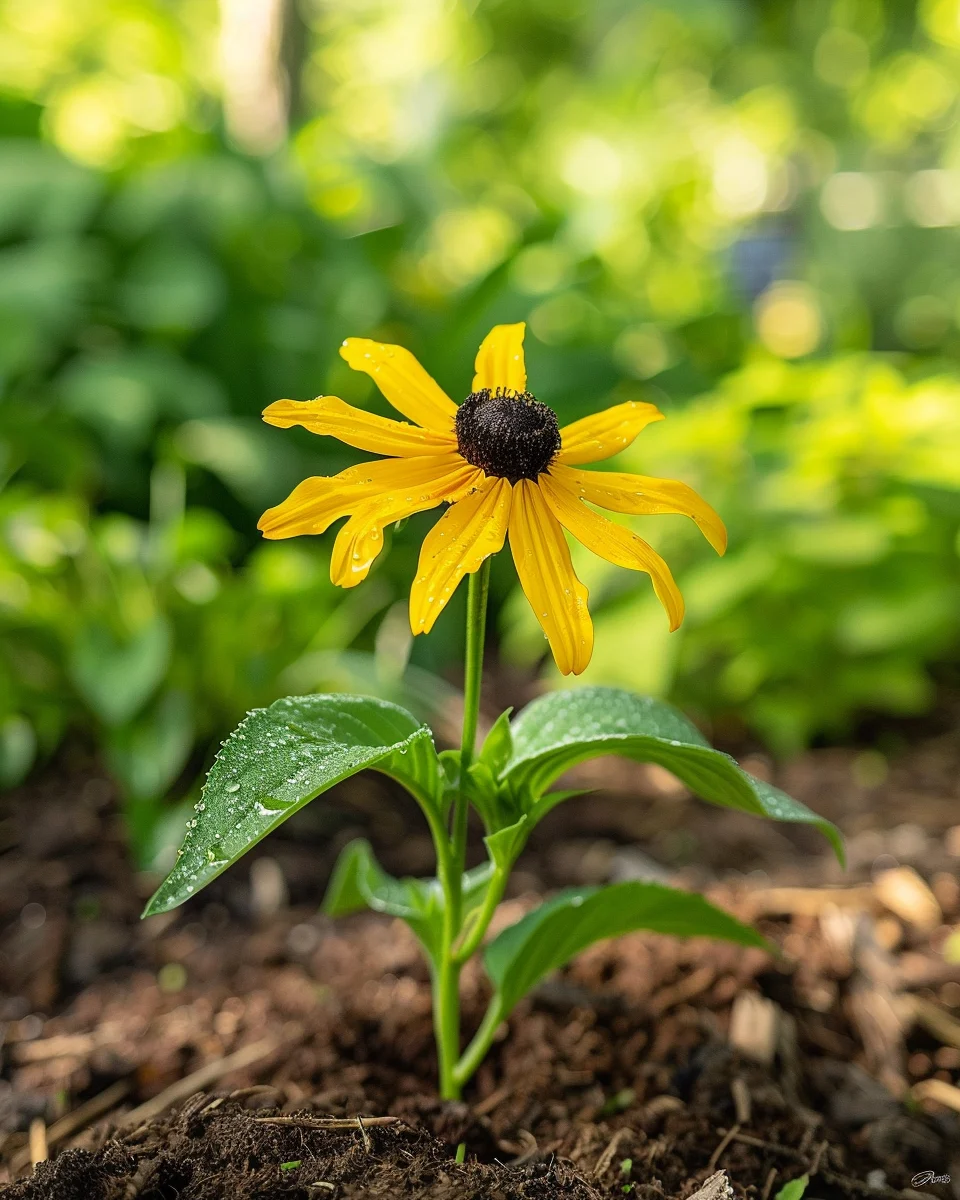
For cool temperate regions, plant Rudbeckia between April and early June when soil has warmed and frost danger has passed. In warm temperate regions, the optimal window extends from September through October when soil remains workable but temperatures have moderated. Direct sowing seeds works best in mid-spring (April-May) when soil temperatures consistently reach 15°C (60°F). For transplants, early morning or evening planting in May provides ideal conditions in most regions, allowing plants to settle without heat stress. In Mediterranean climates, focus on fall planting (October-November) to take advantage of winter rains for establishment before summer drought conditions.
Best Rudbeckia Black-Eyed Susan varieties to grow in clay
- Rudbeckia fulgida ‘Goldsturm’ – Exceptionally clay-tolerant with bright golden flowers that bloom reliably for months, earning it the RHS Award of Garden Merit.
- Rudbeckia hirta ‘Indian Summer’ – Large 6-8 inch blooms with excellent drought tolerance once established in clay soil.
- Rudbeckia ‘Prairie Sun’ – Features unique green centers with golden petals and performs admirably in heavy soils with good drainage.
- Rudbeckia triloba ‘Prairie Glow’ – Smaller, more numerous flowers with excellent clay adaptation and self-seeding capabilities.
- Rudbeckia maxima – Tall variety (up to 2m) with dramatic blue-green foliage that creates excellent structure in clay soil gardens.
- Rudbeckia ‘Cherokee Sunset’ – Container-friendly variety with bronze-orange-yellow blooms that performs well in amended clay.
- Rudbeckia laciniata ‘Herbstsonne’ – Tall, late-blooming variety with excellent clay tolerance and striking vertical presence.
How to plant Rudbeckia Black-Eyed Susan in clay
Materials needed:
- Rudbeckia plants or seeds
- Compost or well-rotted manure
- Horticultural grit or coarse sand
- Garden fork or tiller
- Trowel
- Watering can or hose with spray attachment
- Organic mulch (bark chips, straw, or leaf mold)
Step-by-step planting:
- Select a site with full sun to light shade that receives at least 6 hours of direct sunlight daily.
- Prepare clay soil 2-3 weeks before planting by working in generous amounts of compost and horticultural grit to improve drainage.
- Dig planting holes twice as wide as the root ball and at the same depth.
- For established plants, space them 30-45cm (12-18in) apart for smaller varieties and 60-90cm (24-36in) for larger types.
- If direct sowing, scatter seeds thinly and cover with just 6mm (¼in) of fine soil; thin seedlings later to proper spacing.
- Position plants at the same depth they were growing in their containers, ensuring crown is level with soil surface.
- Backfill with amended soil, firming gently around the roots to eliminate air pockets.
- Create a slight basin around each plant to help water reach the roots.
- Water thoroughly after planting, applying water slowly to avoid runoff on clay soil.
- Apply a 5cm (2in) layer of organic mulch around plants, keeping it away from stems to prevent rot.
How to grow Rudbeckia Black-Eyed Susan in clay
Rudbeckia thrives in full sun but tolerates partial shade in hotter regions; plants in clay soil need at least 6 hours of direct sunlight daily for optimal flowering. Water deeply but infrequently, allowing the top 2.5cm (1in) of soil to dry between waterings; established plants in clay soil typically need watering only during extended dry periods. Apply a balanced, slow-release fertilizer (10-10-10) in spring when new growth appears, but avoid excessive nitrogen which promotes foliage at the expense of flowers. Mulch with 5-7cm (2-3in) of organic material to retain moisture, suppress weeds, and gradually improve clay soil structure. Deadhead spent flowers regularly to encourage continued blooming, and divide overcrowded clumps every 3-4 years to maintain vigor. For container growing in clay-based potting mix, use pots at least 30cm (12in) deep with additional drainage holes and elevate containers slightly to prevent waterlogging.
Caring for Rudbeckia Black-Eyed Susan in clay
Maintain consistent soil moisture during the first growing season, then reduce to occasional deep watering as plants become established. Remove spent flowers every 1-2 weeks to extend the blooming period and prevent excessive self-seeding. Cut back perennial varieties to 10-15cm (4-6in) above ground level in late winter before new growth emerges. Watch for powdery mildew (white powdery coating on leaves), which can be prevented by ensuring good air circulation and treated with neem oil or a baking soda spray (1 tsp baking soda, 1 tsp horticultural oil, 1 liter water). Japanese beetles may feed on foliage; handpick early infestations or use insecticidal soap for larger problems. Leaf spot diseases appear as dark spots with yellow halos; remove affected leaves and avoid overhead watering. Harvest flowers for arrangements when they’re fully open by cutting stems in the morning, removing foliage that would sit below water level in vases. Seeds can be collected when flower centers turn completely dark and feel dry to the touch.
Understanding bolting in Rudbeckia Black-Eyed Susan
Unlike leafy vegetables, Rudbeckia doesn’t technically “bolt” as it’s grown specifically for its flowers. However, Rudbeckia may experience premature flowering or reduced blooming when stressed. This can be triggered by extreme temperature fluctuations, prolonged drought (especially in clay soil which can become very dry and hard), or nutrient deficiencies. Plants may produce fewer, smaller flowers or flower earlier than expected when stressed. To prevent stress-induced flowering issues, maintain consistent watering during dry periods, apply mulch to regulate soil temperature and moisture, and ensure adequate spacing between plants for good air circulation. If plants show signs of stress, increase watering frequency (but not amount) and provide afternoon shade in extremely hot conditions. Remember that most Rudbeckia varieties are short-lived perennials (3-5 years), so reduced flowering may also indicate it’s time to divide plants or replace with fresh specimens.
Why does Rudbeckia Black-Eyed Susan turn bitter?
While Rudbeckia is grown for ornamental purposes rather than consumption, plants may develop issues that affect their appearance and vigor:
- Nutrient deficiency – Clay soil can lock up nutrients; amend with compost annually and consider foliar feeding with seaweed extract.
- Drought stress – Clay soil can crack and pull away from roots; water deeply but infrequently and maintain consistent moisture with mulch.
- Pest damage – Sap-sucking insects can cause distorted growth; inspect regularly and treat with insecticidal soap if needed.
- Disease pressure – Fungal issues are common in clay’s poor drainage; improve air circulation by proper spacing and avoid overhead watering.
- Age of plants – Older plants may decline in vigor; divide clumps every 3-4 years to rejuvenate.
Companion planting for Rudbeckia Black-Eyed Susan in clay
Good companions:
- Echinacea (Coneflower) – Similar growing conditions and complementary colors, plus both improve clay soil structure with their root systems.
- Ornamental grasses – Create textural contrast and movement while their fibrous roots help break up clay soil.
- Sedum – Drought-tolerant companion that thrives in the same well-drained conditions Rudbeckia needs in clay soil.
- Nepeta (Catmint) – Repels harmful insects while attracting beneficial pollinators and tolerates clay soil conditions.
- Aster – Extends the flowering season into fall and shares Rudbeckia’s clay soil adaptability.
- Yarrow – Deep roots help break up clay soil while attracting beneficial insects.
Avoid planting near:
- Moisture-loving plants – Creates conflicting watering needs as Rudbeckia prefers drier conditions once established.
- Aggressive spreaders – Can overwhelm Rudbeckia in competition for nutrients in already challenging clay soil.
- Heavy feeders – May deplete soil nutrients needed by Rudbeckia in nutrient-poor clay conditions.
Seasonal calendar
- February-March: Cut back previous year’s growth on perennial varieties; divide overcrowded clumps.
- April-May: Direct sow seeds or plant nursery-grown transplants after last frost; apply slow-release fertilizer to established plants.
- June: Thin seedlings to final spacing; mulch around plants to retain moisture and suppress weeds.
- July-September: Main flowering period; deadhead regularly to encourage continued blooming; water during dry spells.
- October: Last chance for fall planting in warmer regions; collect seeds for next year if desired.
- November: Apply compost around plants to improve clay soil over winter; mulch in colder regions for winter protection.
- December-January: Plan next season’s garden; order seeds or plants for spring.
Note: In hot regions (Zones 8-10), fall planting (September-October) is often more successful. In very cold regions (Zones 3-4), provide extra winter protection with a thicker layer of mulch.
Problems & solutions
| Problem | Quick Fix |
|---|---|
| Poor drainage in clay soil | Create raised planting areas; incorporate 30% compost and 10% grit when planting |
| Few or small flowers | Ensure 6+ hours of sunlight; apply balanced fertilizer in spring; check for overcrowding |
| Powdery mildew on leaves | Improve air circulation; spray with 1 tbsp baking soda in 1 gallon water with a few drops of soap |
| Plants flopping over | Plant in groups for mutual support; stake taller varieties; avoid over-fertilizing |
| Leaf spots or discoloration | Remove affected leaves; avoid overhead watering; apply organic fungicide if widespread |
| Clay soil cracking in summer | Apply 5-7cm (2-3in) mulch; water deeply but infrequently rather than frequent light watering |
| Declining after 3-4 years | Divide clumps in early spring or fall; replant vigorous outer sections in refreshed soil |
Common questions about growing Rudbeckia Black-Eyed Susan in clay
How often should I water Rudbeckia in clay soil?
Water deeply but infrequently, allowing the top 2.5cm (1in) of soil to dry between waterings. Once established, Rudbeckia in clay soil typically needs supplemental watering only during extended dry periods of 2+ weeks without rain.
Can Rudbeckia grow in partial shade with clay soil?
Yes, Rudbeckia can tolerate partial shade (4-6 hours of direct sun), though flowering may be reduced. In hot southern regions, afternoon shade can actually be beneficial when growing in clay soil that retains heat.
What size container works for growing Rudbeckia in clay-based potting mix?
Use containers at least 30-40cm (12-16in) deep and wide with multiple drainage holes. Mix potting soil with 30% coarse material like perlite or grit when using clay-based mixes to ensure proper drainage.
How far apart should I space Rudbeckia plants in clay soil?
Space smaller varieties 30-45cm (12-18in) apart and larger varieties 60-90cm (24-36in) apart. Proper spacing is especially important in clay soil to promote good air circulation and prevent disease.
Are Rudbeckia plants cold-hardy in clay soil?
Most perennial Rudbeckia varieties are cold-hardy in USDA zones 4-9. Clay soil can actually provide good insulation for roots in winter, though excessive winter wetness can be problematic in heavy clay.
How can I improve flowering in clay soil?
Ensure plants receive at least 6 hours of direct sunlight, deadhead regularly, apply a phosphorus-rich fertilizer (like 5-10-5) in spring, and divide overcrowded clumps every 3-4 years to maintain vigor.
Will Rudbeckia self-seed in clay soil?
Yes, many Rudbeckia varieties will self-seed readily in clay soil, especially if spent flowers are left on plants at the end of the season. To control spreading, deadhead consistently or remove volunteer seedlings in spring.