
How to Grow Hostas in Deep Shade: When to Plant, Best Varieties & Care Guide
Intro for growing hostas in deep shade
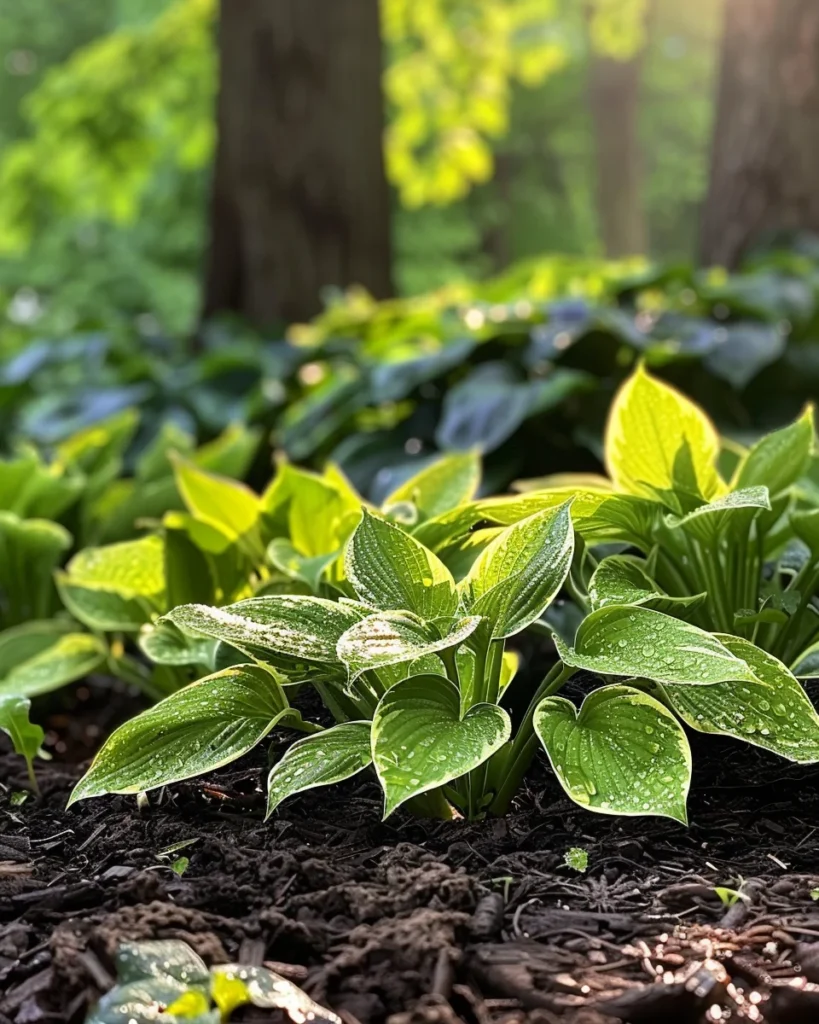
Hostas are the undisputed champions of shade gardening, with their lush foliage bringing texture and color to even the darkest corners of your garden. These hardy perennials thrive where other plants struggle, making them perfect for those challenging spots beneath trees or along north-facing walls. Native to Asia, hostas have become garden staples worldwide thanks to their remarkable adaptability, low maintenance requirements, and stunning variety of sizes, colors, and textures. While they prefer dappled or partial shade, many hosta varieties excel in deep shade conditions, offering gardeners beautiful solutions for those difficult, sun-deprived areas where options are typically limited.
When to plant hostas in deep shade
Hostas can be planted throughout the growing season, but early spring and early autumn are ideal in most temperate regions. In spring, plant after the danger of hard frost has passed when soil temperatures reach about 10-13°C (50-55°F). Fall planting should occur at least 4-6 weeks before your first expected frost to allow roots to establish. In warmer regions (US Zones 8-9 or UK mild areas), you can extend planting into early winter as long as the ground isn’t frozen. Hostas are remarkably frost-tolerant once established, with most varieties hardy from USDA Zones 3-9 (UK Zones H7-H3).
Best time to plant hostas in deep shade
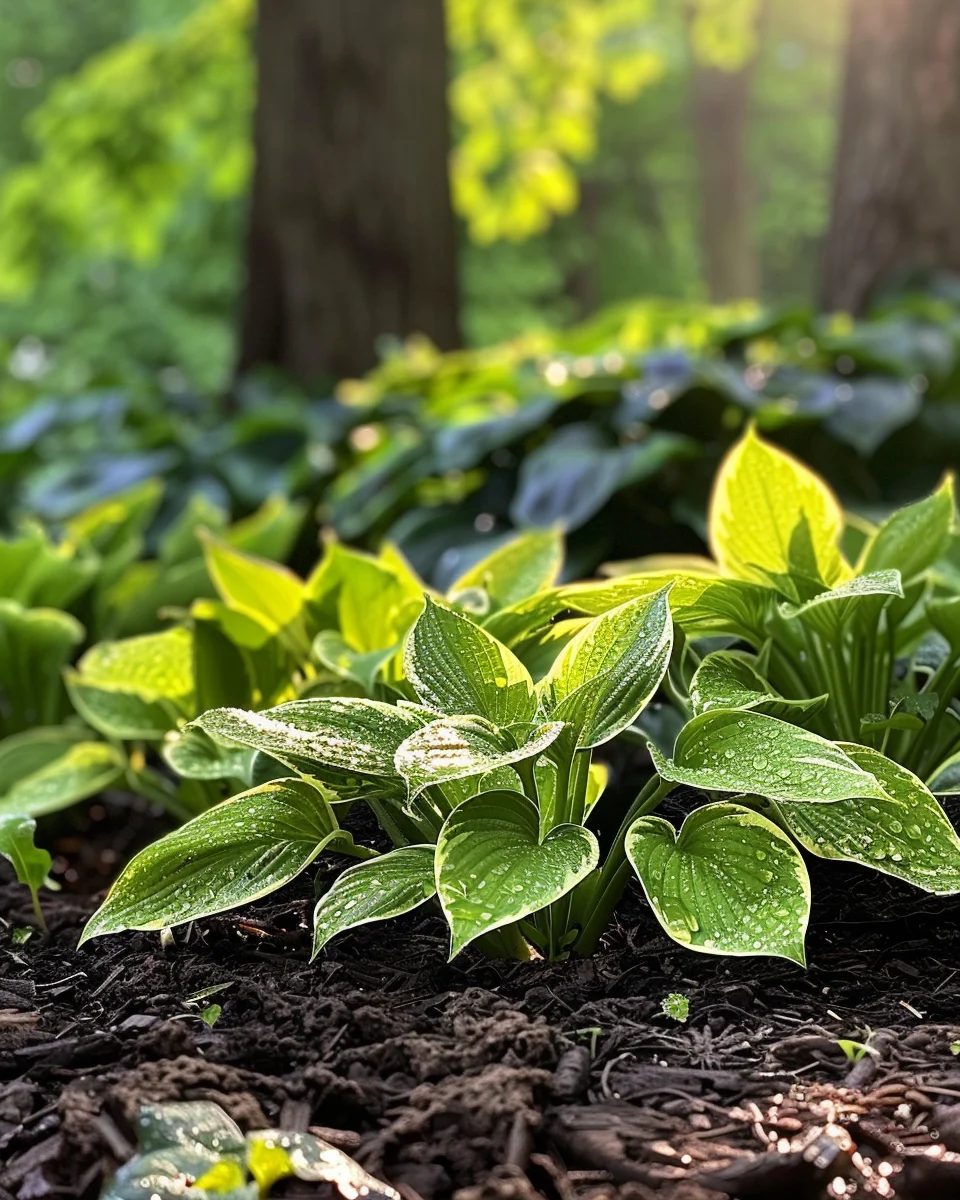
For cool-climate gardeners (US Zones 3-5, UK northern regions), aim to plant hostas from mid-April through May or from mid-August to late September. In moderate climates (US Zones 6-7, UK central regions), the optimal windows extend from March through early June or late August through October. Warm-climate gardeners (US Zones 8-9, UK southern regions) should plant from February through April or September through November. Hostas are typically planted as divisions or container-grown plants rather than seeds, making them easier to establish in deep shade conditions where seedlings might struggle.
Best hosta varieties to grow in deep shade
- Blue Mouse Ears – Compact blue-green variety (20cm/8in) perfect for containers or borders with exceptional deep shade tolerance.
- Sum and Substance – Massive chartreuse leaves (up to 90cm/36in spread) that brighten deep shade areas with golden tones.
- Frances Williams – Classic blue-green leaves with creamy yellow margins that stand out beautifully in low light.
- Patriot – Striking dark green leaves with crisp white margins that create dramatic contrast in shadowy spots.
- Halcyon – Intense blue-gray foliage that holds its color exceptionally well in deep shade.
- Empress Wu – Enormous variety reaching 1.2m/4ft tall with massive blue-green leaves for dramatic impact.
- White Feather – Unique variety that emerges pure white before developing green streaking, creating a ghostly effect in dark corners.
- June – Award-winning gold-centered, blue-margined variety that maintains good color even in very low light.
How to plant hostas in deep shade
Materials needed:
- Hosta plants (divisions or container-grown)
- Garden fork or spade
- Compost or well-rotted manure
- Balanced slow-release fertilizer
- Mulch (bark chips, leaf mold, or compost)
- Watering can or hose with gentle spray attachment
- Slug/snail deterrent (optional)
Step-by-step planting:
- Prepare the planting area by clearing weeds and debris from your shaded location.
- Dig a hole twice as wide as the root ball and about the same depth.
- Mix the removed soil with compost or well-rotted manure at a ratio of about 70:30.
- If planting multiple hostas, space them according to their mature size (typically 30-90cm/12-36in apart depending on variety).
- Remove the hosta from its container or separate the division, gently teasing out any circling roots.
- Position the plant in the hole so the crown (where stems meet roots) is level with the soil surface.
- Backfill with your soil-compost mixture, firming gently to eliminate air pockets.
- Water thoroughly, applying enough to saturate the root zone.
- Apply a 5-7cm (2-3in) layer of mulch around the plant, keeping it away from the crown to prevent rot.
- If slugs are prevalent in your area, apply a deterrent around the newly planted hostas.
How to grow hostas in deep shade
Hostas thrive with minimal sunlight, making them perfect for deep shade locations that receive less than 2 hours of filtered sunlight daily. Water deeply but infrequently, providing about 2.5cm (1in) of water weekly during the growing season, adjusting for rainfall. In containers, water when the top 2.5cm (1in) of soil feels dry. Apply a balanced slow-release fertilizer (10-10-10) in early spring as new growth emerges, and if desired, follow with a second light application in early summer. Mulch annually in spring with 5-7cm (2-3in) of organic material to retain moisture and suppress weeds. Hostas rarely need pruning except to remove damaged or diseased leaves. For container-grown hostas, choose pots at least 5cm (2in) larger than the root ball with good drainage, and consider moving them to sheltered locations in regions with harsh winters.
Caring for hostas in deep shade
Divide established hostas every 4-5 years in spring or fall to maintain vigor and propagate new plants. Watch for slugs and snails, which are the primary pests; control them with beer traps, copper tape, diatomaceous earth, or organic pellets. Deer and rabbits may also browse hostas; protect with repellents or physical barriers if necessary. Leaf spot and crown rot can occur in overly wet conditions—improve drainage and avoid overhead watering to prevent these issues. Virus diseases occasionally affect hostas, appearing as mottling or distortion; remove and destroy infected plants as there’s no cure. Hostas don’t require deadheading, but you may remove flower stalks if you prefer to focus on foliage display. For winter care, allow foliage to die back naturally in autumn, then clean up debris to discourage pests. In colder regions, apply an extra layer of mulch after the ground freezes to prevent frost heaving.
Understanding bolting in hostas
Unlike leafy vegetables, hostas don’t “bolt” in the traditional sense. What gardeners often refer to as “bolting” in hostas is simply their natural flowering process, which typically occurs in mid to late summer. Hostas produce flower stalks (scapes) that rise above the foliage, bearing white or lavender bell-shaped blooms. This is a normal part of their growth cycle, not a stress response. If you grow hostas primarily for their foliage, you can remove flower stalks as they emerge without harming the plant. Some gardeners prefer to keep the flowers for their fragrance (especially in varieties like ‘Fragrant Bouquet’) or to attract pollinators. Flowering doesn’t affect the plant’s vigor or longevity, though very heavy flowering might slightly reduce leaf size in the following season.
Why does hosta foliage deteriorate?
- Slug/snail damage – Holes and ragged edges on leaves; apply organic deterrents or traps.
- Excessive dryness – Browning leaf margins and tips; increase watering frequency in dry periods.
- Too much sun – Bleached or scorched patches on leaves; relocate to deeper shade or provide temporary shade cloth.
- Virus infection – Mottling, distortion, or unusual coloration; remove and destroy affected plants.
- Natural senescence – Yellowing and deterioration in late summer/fall; normal process, no action needed.
Companion planting for hostas in deep shade
Good companions:
- Ferns – Their delicate fronds contrast beautifully with hosta leaves while thriving in similar conditions.
- Astilbe – Provides feathery flowers above the hosta foliage, adding height and seasonal color.
- Heuchera (Coral Bells) – Offers complementary foliage in burgundy, purple, or caramel tones.
- Tiarella (Foam Flower) – Low-growing perennial with delicate flowers that won’t compete with hostas.
- Brunnera – Heart-shaped leaves and blue flowers complement hostas while thriving in deep shade.
- Bleeding Heart (Dicentra) – Early-season interest before hostas fully emerge, then recedes as hostas expand.
Avoid planting near:
- Aggressive ground covers like ivy or pachysandra that might overwhelm hostas.
- Shallow-rooted trees such as maples that compete intensely for water and nutrients.
- Plants requiring frequent division that would disturb established hostas when maintained.
Seasonal calendar
- March-April: Clean up winter debris, apply slow-release fertilizer as shoots emerge, divide if needed.
- May: Complete planting of new hostas, apply mulch, monitor for slugs and snails.
- June-July: Ensure consistent watering during dry spells, remove flower stalks if desired.
- August: Continue watering, especially container plants; second light fertilizer application optional.
- September-October: Fall planting window, divide established clumps if needed.
- November: Clean up fallen leaves around plants, prepare containers for winter in cold regions.
- December-February: Winter dormancy; minimal care needed except occasional checking of container plants.
Problems & solutions
| Problem | Quick Fix |
|---|---|
| Slug/snail damage | Apply coffee grounds, diatomaceous earth, or organic pellets around plants; set beer traps. |
| Leaves turning yellow prematurely | Check soil moisture; could indicate overwatering or poor drainage. Improve soil structure with organic matter. |
| Small, stunted growth | Apply balanced fertilizer in spring; may need dividing if overcrowded. |
| Deer/rabbit browsing | Apply repellent spray, install physical barriers, or plant resistant varieties like ‘Blue Mouse Ears’. |
| Leaf scorch in deep shade | Likely a watering issue rather than light; increase watering frequency during dry periods. |
| Crown rot | Improve drainage, avoid overhead watering, ensure crown isn’t buried too deeply. |
| Vole damage to roots | Plant in wire mesh baskets or apply castor oil-based repellents to the soil. |
Common questions about growing hostas in deep shade
Q: How often should I water hostas in deep shade?
A: Deep shade locations typically retain moisture longer, so water thoroughly but less frequently—about once weekly in normal conditions, increasing during hot, dry periods. Always check soil moisture before watering.
Q: Can hostas grow in complete shade with no direct sunlight?
A: Yes, many hosta varieties will grow in complete shade, though they may grow more slowly and produce fewer flowers. Blue and green varieties typically perform best in very deep shade conditions.
Q: What size container works best for hostas?
A: Choose containers at least 30-45cm (12-18in) in diameter for medium varieties, larger for substantial types like ‘Sum and Substance.’ Ensure excellent drainage and use a high-quality potting mix.
Q: How far apart should I space hostas?
A: Space according to mature size: miniature varieties 30cm (12in) apart, medium varieties 45-60cm (18-24in) apart, and large varieties 75-90cm (30-36in) apart. Check variety-specific recommendations.
Q: Do hostas come back every year?
A: Yes, hostas are reliable perennials that return year after year in suitable climates (typically USDA Zones 3-9). They die back completely in winter and re-emerge in spring.
Q: When should I divide my hostas?
A: Divide established hostas every 4-5 years in early spring as shoots emerge or in early fall (at least 4 weeks before first frost). Division rejuvenates plants and creates new specimens.
Q: Will hostas spread on their own?
A: Hostas grow as clumps that gradually expand but don’t aggressively spread. They increase in size each year but stay in their planted location, making them well-behaved garden residents.