
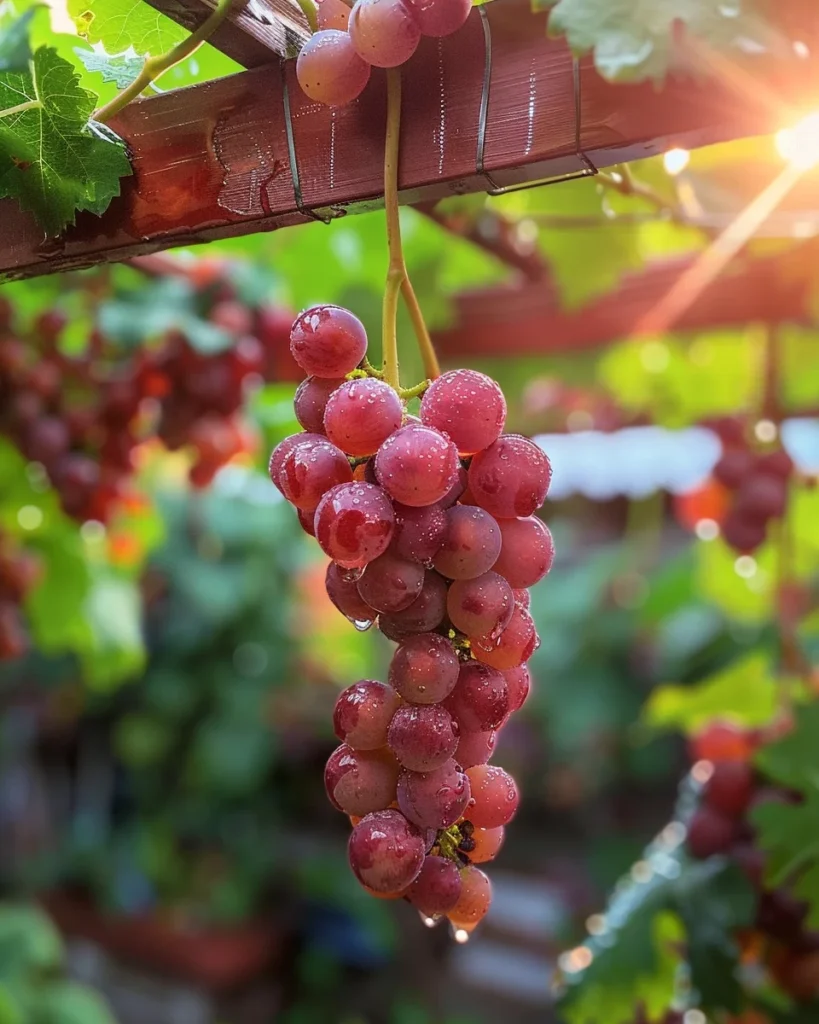
How to Grow Grapes on a Pergola: Creating a Beautiful Overhead Canopy with Delicious Fruit
Intro for growing grapes on pergola
Growing grapes on a pergola combines ornamental beauty with practical fruit production, creating a stunning overhead canopy that provides shade while yielding delicious harvests. Grapevines are perfect pergola plants due to their vigorous climbing habit and long lifespan, often producing for 40+ years when properly maintained. The woody vines develop beautiful, broad leaves that offer dappled shade in summer, followed by hanging clusters of fruit and spectacular autumn color. Grapes thrive in sunny locations with well-drained soil and perform best in temperate regions with distinct seasons, making them ideal for zones 4-9 in the US or similar climates worldwide.
When to plant grapes on pergola
Grapes should be planted during their dormant season when the plants are not actively growing. In most temperate regions, this means late winter to early spring, before bud break occurs. Soil temperatures should be at least 5°C (41°F) but ideally around 10-15°C (50-59°F) for optimal root development. Avoid planting during or immediately after frost periods, as cold damage can significantly set back young vines. In warmer Mediterranean climates, fall planting is also possible, giving roots time to establish before the growing season begins.
Best time to plant grapes on pergola
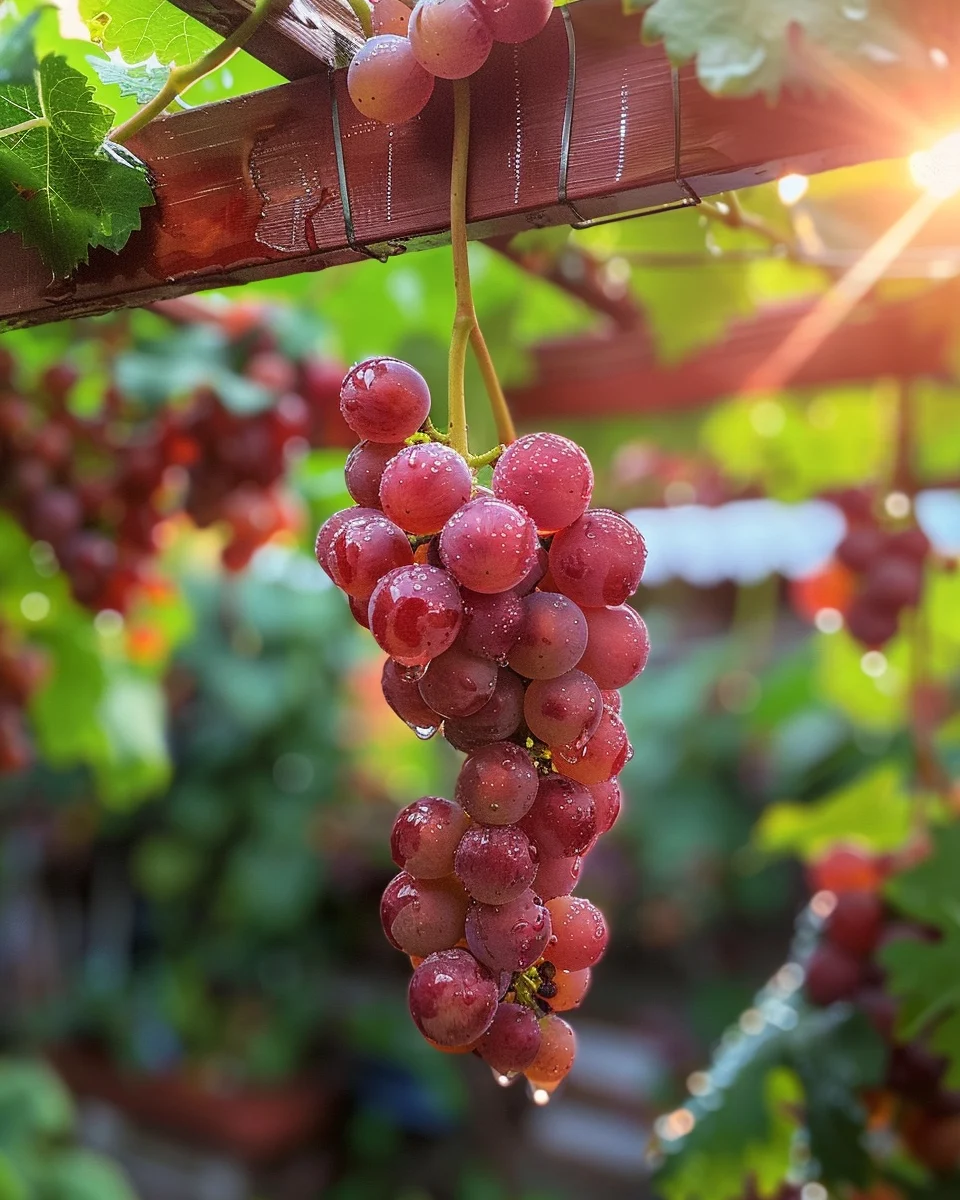
For cool temperate regions (UK, northern US, central Europe), plant bare-root grapevines from February to early April. In warmer regions (southern US, Mediterranean areas), the planting window extends from November to March. Container-grown vines offer more flexibility and can be planted throughout spring and early summer, though they’ll require more attentive watering if planted during warmer months. Regardless of your climate, aim to give vines at least a full growing season to establish before their first winter.
Best grape varieties to grow on pergola
- Concord – A classic American variety with excellent disease resistance and beautiful blue-black fruits perfect for juice and jellies.
- Thompson Seedless – Vigorous grower with sweet, seedless green grapes ideal for eating fresh or drying into raisins.
- Flame Seedless – Produces attractive red seedless grapes with excellent flavor and good disease resistance.
- Muscat of Alexandria – Ancient variety with intoxicating fragrance and rich, sweet flavor, excellent for pergolas in warmer regions.
- Baco Noir – Cold-hardy variety that produces deep purple grapes suitable for wine-making in cooler climates.
- Suffolk Red – Compact variety that’s excellent for smaller pergolas and produces sweet red seedless grapes.
- Valiant – Extremely cold-hardy variety (to -40°F/-40°C) with good disease resistance for northern gardens.
How to plant grapes on pergola
Materials needed:
- 1-2 year old grapevine (bare root or container)
- Shovel and garden fork
- Compost or well-rotted manure
- Garden stakes
- Plant ties or soft twine
- Mulch (bark chips or straw)
- Watering can or hose
Step-by-step planting:
- Position your vines at the base of pergola posts, spacing plants 2.5-3m (8-10ft) apart to allow adequate growing room.
- Dig a hole approximately 30-40cm (12-16in) deep and twice as wide as the root system.
- Mix the removed soil with about 25% compost or well-rotted manure to improve fertility and drainage.
- For bare-root vines, create a small mound in the center of the hole and spread the roots over it; for container plants, place at the same depth as they were growing in the pot.
- Backfill with the amended soil, gently firming around the roots to eliminate air pockets.
- Water thoroughly, applying at least 4-5 gallons per vine to settle the soil.
- Prune the newly planted vine back to just 2-3 buds above the ground to encourage strong root development.
- Install a temporary stake to guide the young vine toward the pergola structure.
- Apply a 5-7cm (2-3in) layer of mulch around the base, keeping it away from the trunk to prevent rot.
- Water weekly for the first growing season to establish a strong root system.
How to grow grapes on pergola
Grapes require full sunlight for at least 6-8 hours daily to produce sweet fruit and healthy growth. During the first year, focus on training a single strong stem up to the pergola framework. Once it reaches the top, train it horizontally along the pergola beams. Water deeply but infrequently, providing about 1-2 inches (2.5-5cm) of water weekly during the growing season, adjusting for rainfall. Established vines (3+ years) are drought-tolerant but benefit from consistent moisture during fruit development.
Fertilize sparingly in spring with a balanced organic fertilizer (like 10-10-10) or compost. Too much nitrogen promotes leafy growth at the expense of fruit. Apply mulch annually to suppress weeds and retain moisture. Pruning is crucial for grape production—follow a specific system like the four-arm Kniffin or cane pruning method, removing 80-90% of the previous year’s growth during winter dormancy. For pergola growing, focus on creating a framework of permanent cordons (arms) along the top of the structure, with fruiting spurs or canes extending from these main branches.
When growing in containers, choose a minimum 50-60L (15-gallon) pot with excellent drainage, use a soil-based potting mix, and be prepared for more frequent watering and feeding. Container-grown grapes will need more attentive winter protection in cold regions.
Caring for grapes on pergola
Regular maintenance includes summer pruning to remove excess foliage that shades grape clusters and winter pruning to maintain the vine’s structure. Monitor for common pests like aphids, Japanese beetles, and grape berry moths—control with insecticidal soap, neem oil, or by hand-picking. Powdery mildew and downy mildew are common fungal diseases, especially in humid conditions. Prevent by ensuring good air circulation through proper pruning and treat with organic fungicides like copper or sulfur sprays at the first sign of infection.
Harvest grapes when fully colored and slightly soft to the touch, usually 70-100 days after flowering depending on variety. The best test is taste—grapes don’t continue ripening after picking. Cut whole clusters with pruning shears rather than pulling individual grapes. Table grapes can be stored in the refrigerator for 1-2 weeks in perforated plastic bags; wine grapes should be processed immediately after harvest.
Understanding bolting in grapes on pergola
Unlike leafy vegetables, grapes don’t bolt in the traditional sense. However, they can experience excessive vegetative growth at the expense of fruit production, which is somewhat analogous. This over-vigorous growth is typically triggered by excessive nitrogen fertilization, overly rich soil, or improper pruning. Young vines naturally focus on vegetative growth for the first 2-3 years before settling into fruit production.
To prevent unbalanced growth, limit nitrogen fertilizers, practice proper dormant-season pruning, and maintain moderate water levels. If your vine is growing excessively but producing little fruit, implement more aggressive pruning during the dormant season and consider root pruning by digging a narrow trench about 3-4 feet (90-120cm) from the trunk to sever some roots and reduce vigor.
Why does grape growth on pergola turn bitter?
- Insufficient sunlight – Ensure grape clusters receive adequate sunlight by selectively thinning leaves around fruit.
- Improper ripening – Allow grapes to fully ripen on the vine; harvest only when sugar content has peaked.
- Variety selection – Some grape varieties naturally contain more tannins; choose sweeter table varieties for fresh eating.
- Water stress – Inconsistent watering during fruit development can increase bitterness; maintain even soil moisture.
- Disease pressure – Fungal infections can affect flavor; maintain good air circulation and implement disease prevention measures.
Companion planting for grapes on pergola
Good companions:
- Hyssop – Attracts beneficial insects and may help deter grape pests.
- Chives and garlic – Help repel aphids and may reduce fungal disease pressure.
- Tansy – Deters harmful insects like Japanese beetles that feed on grape leaves.
- Geraniums – May help repel leafhoppers, which can spread grape diseases.
- Clover as ground cover – Fixes nitrogen and attracts pollinators without competing significantly for resources.
Avoid planting near:
- Brassicas (cabbage, broccoli) – May compete for nutrients and don’t share pest management strategies.
- Radishes – Can stunt grape growth through chemical interactions in the soil.
- Other vigorous vines – Will compete for space and may create too much shade.
Seasonal calendar
- January-February: Dormant pruning; remove 80-90% of last year’s growth while maintaining the basic structure.
- March: Plant new vines; apply compost around established plants; check and repair pergola structure.
- April: Bud break begins; monitor for early-season pests; apply preventative fungicide if needed.
- May: Train new growth; thin excess shoots; apply first fertilizer if needed.
- June: Flowering and fruit set; maintain soil moisture; monitor for pests and diseases.
- July: Thin grape clusters if needed (1-2 clusters per shoot for table grapes); summer pruning to improve air circulation.
- August-September: Harvest early varieties; protect ripening fruit from birds with netting if necessary.
- October: Harvest late varieties; begin reducing water as vines prepare for dormancy.
- November: Clean up fallen leaves to reduce disease pressure; apply winter mulch in cold regions.
- December: Plan next year’s pruning; protect young vines from extreme cold in northern regions.
Problems & solutions
| Problem | Quick Fix |
|---|---|
| Powdery white coating on leaves | Powdery mildew – improve air circulation through pruning and apply organic fungicide like diluted milk spray (1:10 ratio) or commercial sulfur product. |
| Leaves with yellow spots, then brown | Downy mildew – remove affected leaves, improve air flow, and apply copper-based fungicide. |
| Skeletonized leaves | Japanese beetles – hand-pick in morning when sluggish or apply neem oil; consider beetle traps away from vines. |
| Grapes splitting before harvest | Inconsistent watering – maintain even soil moisture, especially as fruit ripens. |
| Vine produces leaves but no fruit | Young vine or improper pruning – be patient with young vines; for mature vines, ensure correct dormant pruning to stimulate fruiting buds. |
| Birds eating ripening fruit | Cover grape clusters with mesh bags or install bird netting over the pergola during ripening period. |
| Yellowing leaves with green veins | Iron chlorosis – apply chelated iron product and adjust soil pH if above 7.0. |
Common questions about growing grapes on pergola
How long does it take for grapes to cover a pergola?
Expect 3-5 years for substantial coverage. Grapevines grow quickly but need time to develop the woody framework that will support abundant foliage and fruit. By year 3, you should have good summer coverage, with full maturity by years 5-7.
How much sun do pergola grapes need?
At least 6-8 hours of direct sunlight daily is essential for sweet fruit production and healthy growth. Morning sun is particularly valuable as it helps dry dew quickly, reducing disease pressure.
Can I grow grapes on a pergola in a small garden?
Yes, with proper pruning and variety selection. Choose less vigorous varieties like ‘Suffolk Red’ or ‘Pixie,’ and implement rigorous pruning to keep the vine in bounds. A pergola as small as 2m x 3m (6ft x 10ft) can support a single well-managed vine.
How often should I water pergola grapes?
Young vines need weekly deep watering during the growing season. Established vines (3+ years) typically need water only during dry spells, receiving about 1-2 inches (2.5-5cm) weekly during fruit development. Reduce watering in late summer to help vines harden off for winter.
Do grapes on pergolas need special winter protection?
In zones 7 and warmer, established vines rarely need winter protection. In colder regions (zones 4-6), mulch the base of young vines and consider wrapping the main trunk with burlap for the first 2-3 winters. Very cold regions (zones 2-3) require cold-hardy varieties and additional protection.
When will my pergola grapes produce fruit?
Most grapevines begin producing small amounts of fruit in their third year, with full production by years 4-5. For the best long-term results, remove flower clusters entirely during the first two years to focus the vine’s energy on establishing a strong root system and framework.
How do I prevent my pergola grapes from becoming a tangled mess?
Implement a clear training system from the beginning. For pergolas, the Munson system works well: establish a permanent framework of horizontal cordons along the top of the pergola, with annual fruiting canes or spurs extending from these main branches. Perform dormant pruning annually, removing 80-90% of the previous year’s growth.