
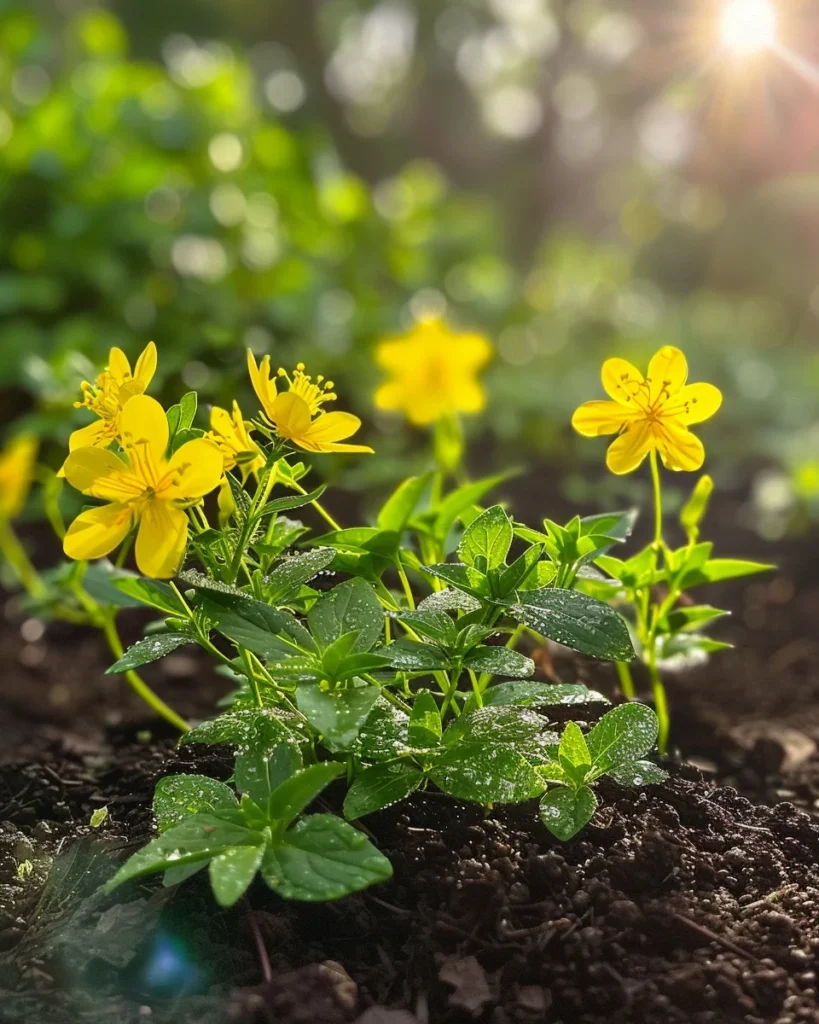
How to Grow St. John’s Wort in Full Sun: When to Plant, Best Varieties & Care Guide
Intro for St. John’s Wort
St. John’s Wort (Hypericum perforatum) is a versatile perennial herb prized for both its medicinal properties and bright yellow flowers that bring cheer to any garden. This sun-loving plant thrives in full sunlight, making it perfect for open garden beds, borders, and even containers. Native to Europe but naturalized worldwide, St. John’s Wort is relatively low-maintenance once established and can grow in a variety of soil conditions. Its ability to tolerate drought and poor soils makes it an excellent choice for beginning gardeners, while its therapeutic uses and wildlife-friendly blooms appeal to more experienced plant enthusiasts seeking both beauty and function in their gardens.
When to plant St. John’s Wort
St. John’s Wort is best planted in spring after all danger of frost has passed or in early autumn when temperatures begin to cool. In temperate regions, aim for soil temperatures between 15-21°C (60-70°F) for optimal germination and establishment. This hardy perennial can withstand light frosts once established but young plants benefit from protection during their first winter. In Mediterranean climates, fall planting is often preferred as it allows roots to establish before summer heat arrives. For northern regions (UK or US Zones 4-5), spring planting gives plants the entire growing season to develop before winter dormancy.
Best time to plant St. John’s Wort
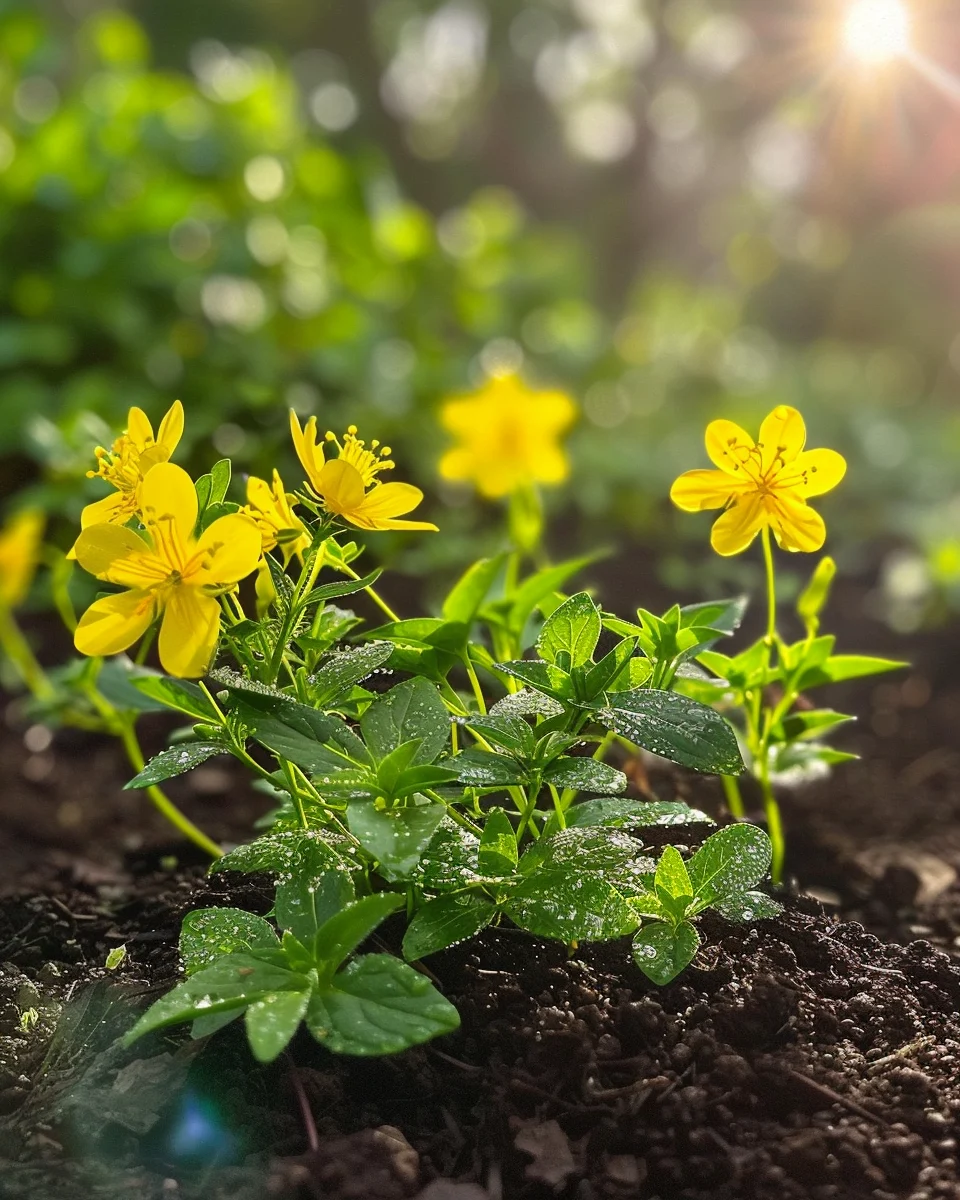
For cool temperate regions (US Zones 4-6, UK), plant St. John’s Wort from mid-April through May when soil has warmed and frost risk has diminished. In warmer climates (US Zones 7-9), planting can begin earlier in March or be delayed until September-October for fall establishment. Direct sowing seeds outdoors works best in spring when soil temperatures reach at least 15°C (60°F), while transplanting nursery-grown plants can be done throughout the growing season provided adequate water is supplied during establishment. For container growing, spring planting is generally most successful regardless of region, allowing plants a full season to develop strong root systems.
Best St. John’s Wort varieties to grow
- Hypericum perforatum – The common St. John’s Wort with traditional medicinal properties, featuring bright yellow flowers and adaptability to various conditions.
- Hypericum ‘Hidcote’ – Compact variety (60-90cm/24-36in) with larger golden-yellow flowers, perfect for smaller gardens and borders.
- Hypericum calycinum (Rose of Sharon) – Low-growing groundcover variety (30cm/12in) that’s excellent for slopes and erosion control in full sun.
- Hypericum ‘Sunburst’ – Features exceptionally large flowers and compact growth habit, making it ideal for container growing.
- Hypericum ‘Albury Purple’ – Distinctive purple-tinged foliage contrasting with yellow flowers for added ornamental interest.
- Hypericum ‘Tricolor’ – Variegated foliage with cream, pink and green coloration that thrives in full sun conditions.
- Hypericum androsaemum (Tutsan) – Produces attractive red berries after flowering, adding extended seasonal interest.
How to plant St. John’s Wort
Materials needed:
- St. John’s Wort plants or seeds
- Garden fork or tiller
- Compost or well-rotted manure
- Garden trowel
- Watering can or hose with spray attachment
- Mulch (bark chips, straw, or compost)
- pH testing kit (optional)
Step-by-step planting guide:
- Select a site receiving at least 6-8 hours of direct sunlight daily with well-draining soil.
- Test soil pH if possible – St. John’s Wort prefers slightly acidic to neutral soil (pH 5.5-7.0).
- Prepare the planting area by removing weeds and loosening soil to a depth of 20-30cm (8-12in).
- Incorporate 5-7cm (2-3in) of compost or aged manure to improve soil structure and fertility.
- For seeds, sow on the soil surface (they need light to germinate) and press gently into soil without covering.
- For transplants, dig holes twice as wide as the root ball and at the same depth.
- Space plants 45-60cm (18-24in) apart to allow for mature spread.
- Place plants in holes at the same level they were growing in their containers.
- Backfill with soil, firming gently around the roots to eliminate air pockets.
- Water thoroughly after planting, providing approximately 2.5cm (1in) of water to settle the soil.
How to grow St. John’s Wort
St. John’s Wort thrives in full sunlight, requiring a minimum of 6 hours of direct sun daily for optimal flowering and growth. Water newly planted specimens regularly during their first growing season, providing about 2.5cm (1in) of water weekly when rainfall is insufficient. Once established, St. John’s Wort is drought-tolerant and typically requires supplemental watering only during extended dry periods. Fertilizing is generally unnecessary in reasonably fertile soil; in fact, excessive nutrients can reduce flowering and medicinal potency. If growing in poor soil, apply a light application of balanced organic fertilizer in early spring.
Apply a 5-7cm (2-3in) layer of mulch around plants to suppress weeds and retain soil moisture, keeping it a few centimeters away from stems to prevent rot. Prune established plants in early spring by removing dead or damaged stems and cutting back by one-third to maintain shape and encourage bushier growth. For container growing, use a pot at least 30cm (12in) in diameter with drainage holes, filled with well-draining potting mix, and place in a full-sun location, watering when the top 2.5cm (1in) of soil feels dry.
Caring for St. John’s Wort
Ongoing care for St. John’s Wort is relatively simple. Deadhead spent flowers to encourage continued blooming unless you want the decorative seed pods to develop. Divide established plants every 3-4 years in early spring to maintain vigor and prevent overcrowding. The main pests affecting St. John’s Wort include aphids and spider mites, which can be controlled by spraying plants with a strong stream of water or applying insecticidal soap. Watch for leaf spot diseases in humid conditions, which appear as dark spots on foliage; improve air circulation and avoid overhead watering to prevent these issues.
Harvest St. John’s Wort when plants are in full bloom, typically around the summer solstice (hence the name “St. John’s” Wort, referring to St. John’s Day on June 24). Cut the top 2-3 inches of flowering stems in mid-morning after dew has dried but before the heat of the day. For medicinal use, dry flowers and leaves in a warm, dark, well-ventilated area, then store in airtight containers away from light. Note that St. John’s Wort can be invasive in some regions, so monitor its spread and remove unwanted seedlings promptly.
Understanding bolting in St. John’s Wort
Unlike many herbs and vegetables, St. John’s Wort doesn’t bolt in the traditional sense. As a perennial flowering plant, it naturally produces flowers and seeds as part of its normal growth cycle rather than as a stress response. However, St. John’s Wort may experience stress-related issues that affect its appearance and performance. Extended periods of drought can cause premature leaf yellowing and reduced flowering, while excessive heat may lead to wilting and scorched foliage.
To maintain healthy growth, ensure consistent moisture during dry spells, especially for young plants. Applying mulch helps regulate soil temperature and moisture levels. If plants appear stressed during extreme heat, providing temporary afternoon shade can be beneficial. Remember that flowering is St. John’s Wort’s natural state, not a sign of stress or bolting, and the plant will naturally die back in winter in colder regions before resprouting in spring.
Why does St. John’s Wort turn bitter?
- Age of plant material – Older leaves and stems contain higher concentrations of hypericin and other compounds, creating a more bitter taste; harvest younger growth for milder flavor.
- Harvest timing – Plants harvested after peak flowering often develop more bitter compounds; collect during early to mid-flowering stage for optimal balance.
- Growing conditions – Plants under stress (drought, poor soil, excessive heat) produce more defensive compounds that increase bitterness; maintain consistent care for milder flavor.
- Improper drying – Slow or improper drying can cause enzymatic changes that increase bitterness; dry quickly in warm, dark conditions with good air circulation.
- Storage issues – Exposure to light, heat, or moisture during storage can degrade compounds and increase bitterness; store in airtight containers in cool, dark locations.
Companion planting for St. John’s Wort
Good companions:
- Echinacea (Coneflower) – Shares similar growing requirements and creates an attractive pollinator-friendly pairing.
- Lavender – Complements St. John’s Wort with contrasting purple flowers and similar drought tolerance.
- Yarrow – Both plants thrive in full sun and poor soil, creating a low-maintenance combination.
- Ornamental grasses – Provide structural contrast to St. John’s Wort’s bushy habit and help prevent its spreading.
- Sedum – Shares drought tolerance and sun requirements while offering different textures and bloom times.
Avoid planting near:
- Moisture-loving plants – St. John’s Wort’s drought tolerance means it requires different watering regimens than hydrangeas or astilbes.
- Vegetables and herbs for consumption – As St. John’s Wort has medicinal properties and can be invasive, keep it separate from edible garden areas.
- Plants requiring rich soil – St. John’s Wort competes effectively in poor soil and may outcompete more delicate plants requiring fertile conditions.
Seasonal calendar
- Early Spring (March-April): Prune back dead growth from previous year; divide established plants; apply light mulch layer.
- Late Spring (May): Plant new specimens; direct sow seeds in warmer regions; watch for emerging growth.
- Early Summer (June): Begin harvesting as flowers appear; monitor for pests; provide water during dry spells.
- Mid-Summer (July): Peak flowering and harvest time; deadhead if desired; check container plants for watering needs.
- Late Summer (August): Continue harvesting; collect seeds if desired; monitor for drought stress.
- Fall (September-October): Last chance for planting in warm regions; reduce watering as growth slows; apply mulch in colder areas.
- Winter (November-February): Minimal care needed; plants will die back in cold regions but remain evergreen in mild climates.
Note: In hot regions (US Zones 9-10), growth may slow during peak summer heat and resume in fall. In cold regions (US Zones 4-5), provide extra winter protection for the first year.
Problems & solutions
| Problem | Quick Fix |
|---|---|
| Yellow leaves | Check drainage; reduce watering if soil is waterlogged or increase if extremely dry. |
| Few or no flowers | Ensure plant receives at least 6 hours of direct sunlight; avoid high-nitrogen fertilizers. |
| Aphid infestation | Spray with strong water jet; apply insecticidal soap or neem oil for severe cases. |
| Powdery mildew | Improve air circulation; avoid overhead watering; apply organic fungicide if severe. |
| Spreading too aggressively | Install root barriers; remove seedlings promptly; deadhead before seed formation. |
| Leggy growth | Prune back by one-third in early spring; ensure adequate sunlight exposure. |
| Winter dieback | Normal in cold regions; apply mulch in fall for protection; prune dead growth in spring. |
Common questions about growing St. John’s Wort
How often should I water St. John’s Wort?
Water newly planted St. John’s Wort weekly during the first growing season. Once established, it’s quite drought-tolerant and typically needs supplemental watering only during extended dry periods of 2+ weeks. Container plants require more frequent watering, typically when the top 2.5cm (1in) of soil feels dry.
Can St. John’s Wort grow in partial shade?
While St. John’s Wort prefers full sun (6+ hours daily), it can tolerate partial shade, especially in hotter climates. However, plants grown in partial shade typically produce fewer flowers and may develop a more open, leggy growth habit. In regions with intense summer heat, afternoon shade can actually be beneficial.
What size container is best for growing St. John’s Wort?
Use a container at least 30-40cm (12-16in) in diameter and equally deep with drainage holes. This size accommodates the plant’s root system and provides stability as it grows to its mature height. Larger containers require less frequent watering and allow for better root development.
How far apart should I space St. John’s Wort plants?
Space plants 45-60cm (18-24in) apart to allow for their mature spread. Closer spacing creates a denser hedge effect but may require more frequent division to prevent overcrowding. In containers, limit to one plant per pot unless using very large planters.
Is St. John’s Wort cold-hardy?
Most St. John’s Wort varieties are cold-hardy in USDA zones 5-9 (UK zones 6-9). In colder regions, plants will die back to the ground in winter but regrow from the roots in spring. Apply a 7-10cm (3-4in) layer of mulch around the base in late fall to protect roots in regions with harsh winters.
When and how should I harvest St. John’s Wort for medicinal use?
Harvest St. John’s Wort when approximately 70-80% of the flowers are in bloom, typically around mid-June to early July. Cut the top 15-20cm (6-8in) of flowering stems in mid-morning after dew has dried. For medicinal preparations, the flowers and buds contain the highest concentration of active compounds, though leaves are also used.
Will St. John’s Wort become invasive in my garden?
St. John’s Wort can spread vigorously through both self-seeding and underground runners in ideal conditions. In some regions, it’s classified as invasive. Control spread by deadheading before seed formation, installing root barriers, and promptly removing unwanted seedlings. Consider growing in containers if invasiveness is a concern in your area.