
How to Grow Yarrow for Pollinators: When to Plant, Best Varieties & Care Guide
Intro for growing yarrow for pollinators
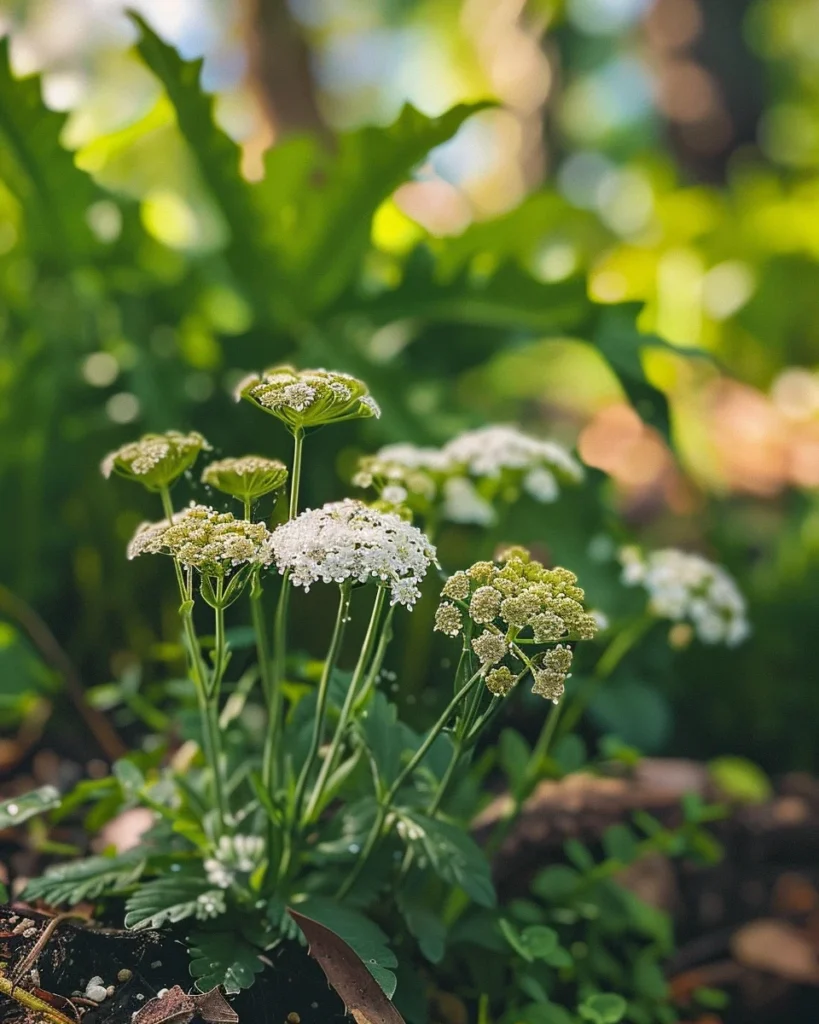
Yarrow (Achillea millefolium) is a versatile perennial that serves as a pollinator magnet in any garden. With its flat-topped flower clusters and feathery foliage, yarrow attracts a diverse range of beneficial insects including bees, butterflies, and hoverflies. This drought-tolerant plant is remarkably easy to grow, thriving in poor to average soils with minimal maintenance. Native to temperate regions across the Northern Hemisphere, yarrow offers both ecological benefits and ornamental appeal with its long-lasting blooms in shades of white, yellow, pink, and red. Perfect for meadow gardens, borders, or naturalized areas, yarrow combines beauty with functionality while supporting crucial pollinator populations.
When to plant yarrow for pollinators
Yarrow is best planted when soil temperatures have warmed to at least 15-18°C (60-65°F). In most temperate regions, this means spring planting after the risk of hard frost has passed. Established yarrow plants are quite frost-hardy (surviving down to -40°C/-40°F in dormancy), making them suitable for most climate zones. In warmer regions (US zones 8-10 or Mediterranean climates), fall planting is also successful, giving roots time to establish before summer heat. Seeds require light for germination, so they should be sown on the soil surface rather than buried.
Best time to plant yarrow for pollinators
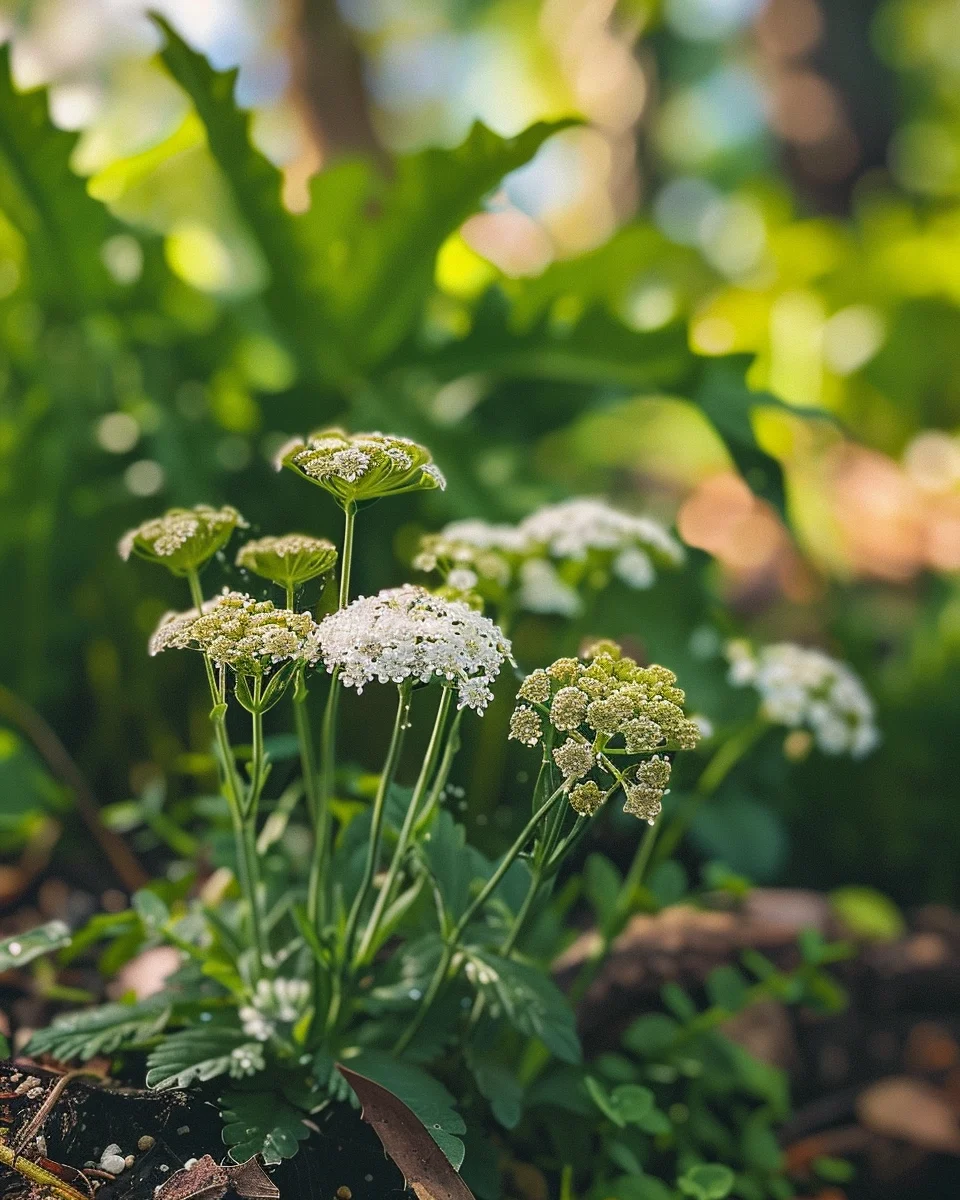
In cool temperate regions (UK, Northern US, Canada), plant yarrow from mid-spring to early summer (April to June). For warmer climates (Southern US, Mediterranean), early spring (March-April) or fall (September-October) planting avoids summer heat stress. Direct sowing of seeds works best in early spring as soon as soil can be worked, while transplants can be set out after the last frost date. For the longest establishment period before flowering, aim for early to mid-spring planting of nursery-grown plants or divisions.
Best yarrow varieties to grow
- Achillea millefolium ‘Paprika’ – Vibrant rusty-red flowers that attract numerous butterfly species and fade beautifully to salmon-pink.
- Achillea ‘Moonshine’ – Bright lemon-yellow flower heads with silvery foliage, exceptionally drought-tolerant and long-blooming.
- Achillea millefolium ‘Summer Pastels’ – Mix of soft pastel colors (pinks, salmons, yellows) that provides diverse nectar sources for different pollinators.
- Achillea filipendulina ‘Gold Plate’ – Enormous golden-yellow flower heads up to 15cm (6in) across that serve as landing pads for numerous pollinators.
- Achillea millefolium ‘New Vintage Red’ – Compact variety (40-45cm/16-18in) perfect for containers with rich red blooms that attract bumblebees.
- Achillea ‘Terracotta’ – Unique copper-orange flowers that age to rusty yellows, providing nectar over an extended period.
- Achillea ptarmica ‘The Pearl’ – Double white flowers that bloom earlier than other yarrows, extending the pollinator feeding season.
How to plant yarrow for pollinators
Materials needed:
- Yarrow seeds or plants
- Garden fork or tiller
- Compost (optional for poor soils)
- Watering can or hose with spray attachment
- Mulch (optional)
Step-by-step planting:
- Select a site with full sun and well-draining soil; yarrow tolerates poor soil but cannot handle wet feet.
- Clear the area of weeds and loosen soil to a depth of 20-30cm (8-12in).
- For very poor soils, incorporate a small amount of compost to improve structure, but avoid rich soil which causes floppy growth.
- Space plants 30-45cm (12-18in) apart to allow good air circulation; dwarf varieties can be spaced 25cm (10in) apart.
- Dig holes twice as wide as the root ball but at the same depth.
- Place plants at the same level they were growing in their containers, ensuring crown is at soil level.
- For seeds, scatter on soil surface and press lightly into soil without covering (they need light to germinate).
- Water thoroughly after planting to settle soil around roots.
- Apply a thin layer of mulch around plants (but not touching stems) to suppress weeds.
How to grow yarrow for pollinators
Yarrow thrives in full sunlight, requiring at least 6-8 hours of direct sun daily for optimal flowering and pollinator attraction. Water newly planted yarrow regularly until established, then reduce to occasional deep watering during extended dry periods. Mature plants are extremely drought-tolerant and rarely need supplemental water in most climates. Avoid fertilizing yarrow as rich soil promotes floppy stems and reduces flower production; in fact, yarrow blooms more prolifically in poor soil. Deadhead spent flowers to encourage additional blooms and prevent excessive self-seeding. For container growing, use a well-draining potting mix in containers at least 30cm (12in) deep with drainage holes, and allow soil to dry between waterings. In mid-spring, cut back any winter-damaged foliage to make way for new growth.
Caring for yarrow for pollinators
Divide yarrow clumps every 3-4 years in spring to maintain vigor and prevent center die-out. Watch for powdery mildew in humid conditions, treating with neem oil or improving air circulation by thinning plants. Aphids occasionally attack new growth but rarely cause significant damage; a strong spray of water usually dislodges them. Yarrow rarely suffers from serious pest problems, making it ideal for organic gardens. Harvest flower stems for pollinators when they’re fully open but before seed formation, cutting in morning when stems are turgid. For dried arrangements, harvest when flowers are just fully open, hanging bunches upside down in a dark, dry location. After flowering, consider leaving some seedheads for birds while cutting others back to encourage a second, smaller flush of blooms that will feed late-season pollinators.
Understanding bolting in yarrow for pollinators
Unlike annual herbs and vegetables, yarrow doesn’t truly “bolt” as it’s a flowering perennial where blooming is the desired outcome rather than a problem. However, yarrow can sometimes flower prematurely or produce weak, leggy growth under certain conditions. This typically happens when plants receive excessive nitrogen fertilizer, causing rapid stem elongation and reduced flower quality. Heat stress can also trigger early flowering in first-year plants before they’ve established strong root systems. To prevent leggy growth, avoid rich soil amendments and fertilizers, plant in full sun, and provide adequate spacing for air circulation. If yarrow becomes overly tall and floppy, cut it back by one-third to encourage bushier growth and stronger stems that better support pollinator activity.
Why does yarrow turn bitter?
- Age of plant: Older yarrow plants (4+ years) may develop more intense flavors in their foliage; divide regularly to maintain younger growth.
- Heat stress: Extended periods of high temperatures can increase bitter compounds; provide afternoon shade in very hot climates.
- Drought conditions: Severe water stress concentrates plant compounds; provide occasional deep watering during extended dry periods.
- Soil mineral imbalance: Excessive nitrogen can alter plant chemistry; avoid fertilizing yarrow.
- Natural variation: Some yarrow varieties naturally contain higher levels of bitter compounds; select milder cultivars if using for culinary purposes.
Companion planting for yarrow for pollinators
Yarrow makes an excellent companion for numerous garden plants. Plant alongside roses to deter aphids and improve disease resistance. Pair with drought-tolerant herbs like lavender, rosemary, and thyme that share similar growing conditions while attracting diverse pollinator species. Yarrow enhances the essential oil production of neighboring aromatic herbs. Vegetable gardens benefit from yarrow’s ability to attract predatory wasps and hoverflies that control pest populations. Plant near tomatoes to improve their flavor and disease resistance. Avoid planting yarrow near wet-soil lovers like astilbe or ligularia, as yarrow’s drought tolerance means incompatible watering needs. Also keep distance from aggressive spreaders like mint that might compete with or overwhelm yarrow.
Seasonal calendar
- January-February: Plan yarrow placement in garden design; order seeds or plants.
- March: Start seeds indoors 6-8 weeks before last frost; cut back previous year’s growth.
- April: Direct sow seeds after soil warms; divide established clumps; plant nursery-grown plants.
- May: Continue planting; thin seedlings to proper spacing; mulch around plants.
- June-July: Main flowering period begins; monitor for pests; observe pollinator activity.
- August: Deadhead spent flowers to encourage continued blooming; harvest for dried arrangements.
- September: Final deadheading; plant in warm regions; collect seeds if desired.
- October: Reduce watering as plants enter dormancy; last chance for fall planting in warm regions.
- November-December: Leave seedheads for winter interest and bird food; apply light mulch in cold regions.
Problems & solutions
| Problem | Quick Fix |
|---|---|
| Floppy, leggy stems | Cut back by one-third; avoid fertilizer; ensure full sun; stake if necessary |
| Few flowers | Increase sunlight; reduce watering; divide overcrowded clumps |
| Powdery mildew | Improve air circulation; apply neem oil; remove affected foliage |
| Center die-out | Divide clumps every 3-4 years; avoid overwatering |
| Spreading too aggressively | Install root barriers; deadhead promptly; remove unwanted seedlings |
| Rabbit/deer damage | Apply repellent spray; install physical barriers; interplant with strongly aromatic herbs |
Common questions about growing yarrow for pollinators
How often should I water established yarrow plants?
Established yarrow rarely needs supplemental watering except during extended drought. Allow soil to dry completely between waterings, typically watering deeply once every 2-3 weeks in dry periods.
Can yarrow grow in partial shade?
While yarrow tolerates partial shade, it produces fewer flowers and develops weaker stems with less than 6 hours of direct sun. In hot southern climates, afternoon shade can be beneficial, but morning sun is essential.
What size container works for growing yarrow?
Use containers at least 30cm (12in) deep and wide with excellent drainage. Compact varieties like ‘New Vintage’ series perform best in containers, while taller varieties may need larger pots and occasional staking.
How close can I plant yarrow to other perennials?
Space yarrow 30-45cm (12-18in) from other perennials. Consider its spreading habit when planning; yarrow works well interplanted with clump-forming perennials that won’t be overwhelmed by its growth.
What temperature extremes can yarrow tolerate?
Established yarrow is remarkably resilient, tolerating winter temperatures down to -40°C/°F (USDA zone 3) and summer heat up to 38°C (100°F) if soil drainage is excellent.
When should I divide my yarrow plants?
Divide yarrow every 3-4 years in early spring when new growth begins to emerge. This prevents center die-out, maintains vigor, and provides additional plants for expanding pollinator habitat.
Which pollinators does yarrow attract most?
Yarrow primarily attracts small native bees, honeybees, butterflies, and beneficial predatory insects like hoverflies and parasitic wasps. Different flower colors may attract different pollinator species, with yellows and whites generally attracting the widest variety.