
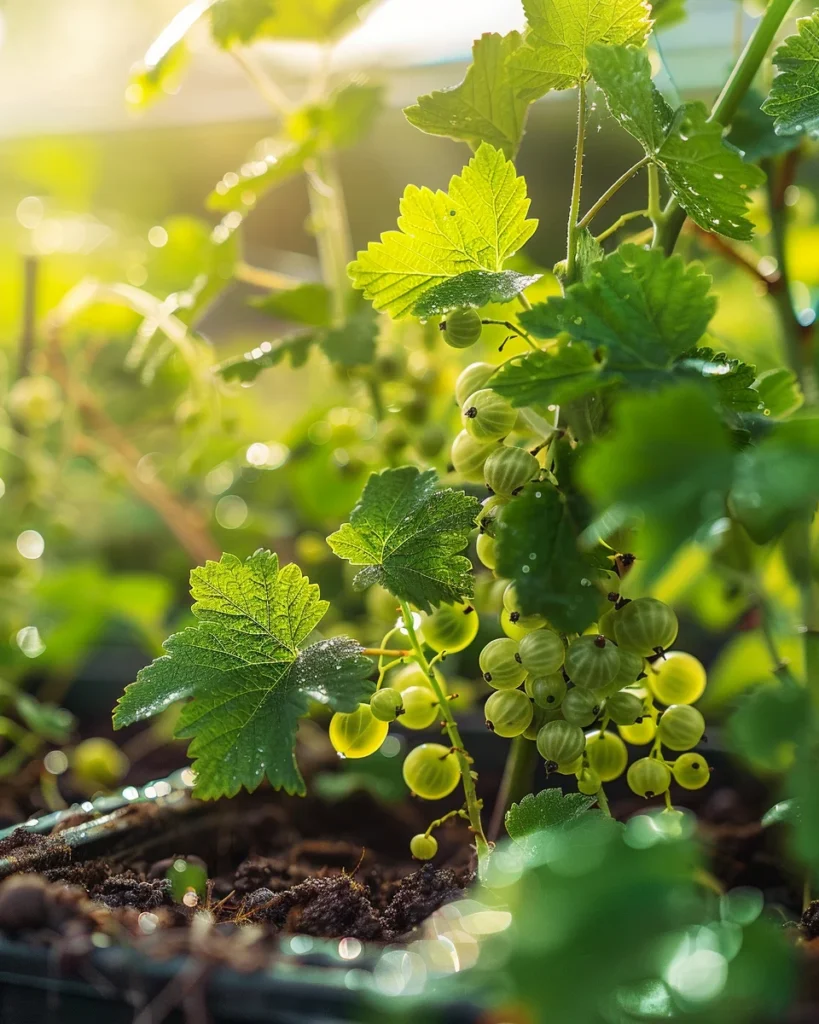
How to Grow Currants in Containers: Space-Saving Berries for Small Gardens
Intro for growing currants in containers
Currants are compact, productive berry bushes that adapt beautifully to container growing, making them perfect for patios, balconies, and small gardens. These nutrient-dense berries come in red, black, white, and pink varieties, each offering unique flavors ranging from sweet to tart. Container-grown currants provide the same abundant harvests as ground-planted bushes but with added benefits: better control over soil conditions, improved air circulation, and the ability to move plants to optimize sunlight or protect from harsh weather. With their attractive foliage, spring flowers, and colorful summer berries, potted currants serve as both productive and ornamental additions to any garden space.
When to plant currants in containers
Currants perform best when planted during their dormant season. In most temperate regions, this means late autumn through early spring (October to March in the Northern Hemisphere). Soil temperatures between 7-15°C (45-60°F) are ideal for root establishment. Currants are remarkably cold-hardy (surviving down to -40°C/-40°F when established) and actually require a winter chilling period to produce fruit effectively. In warmer regions (USDA zones 8-9 or UK mild temperate), winter planting is preferable to give roots time to establish before summer heat arrives.
Best time to plant currants in containers
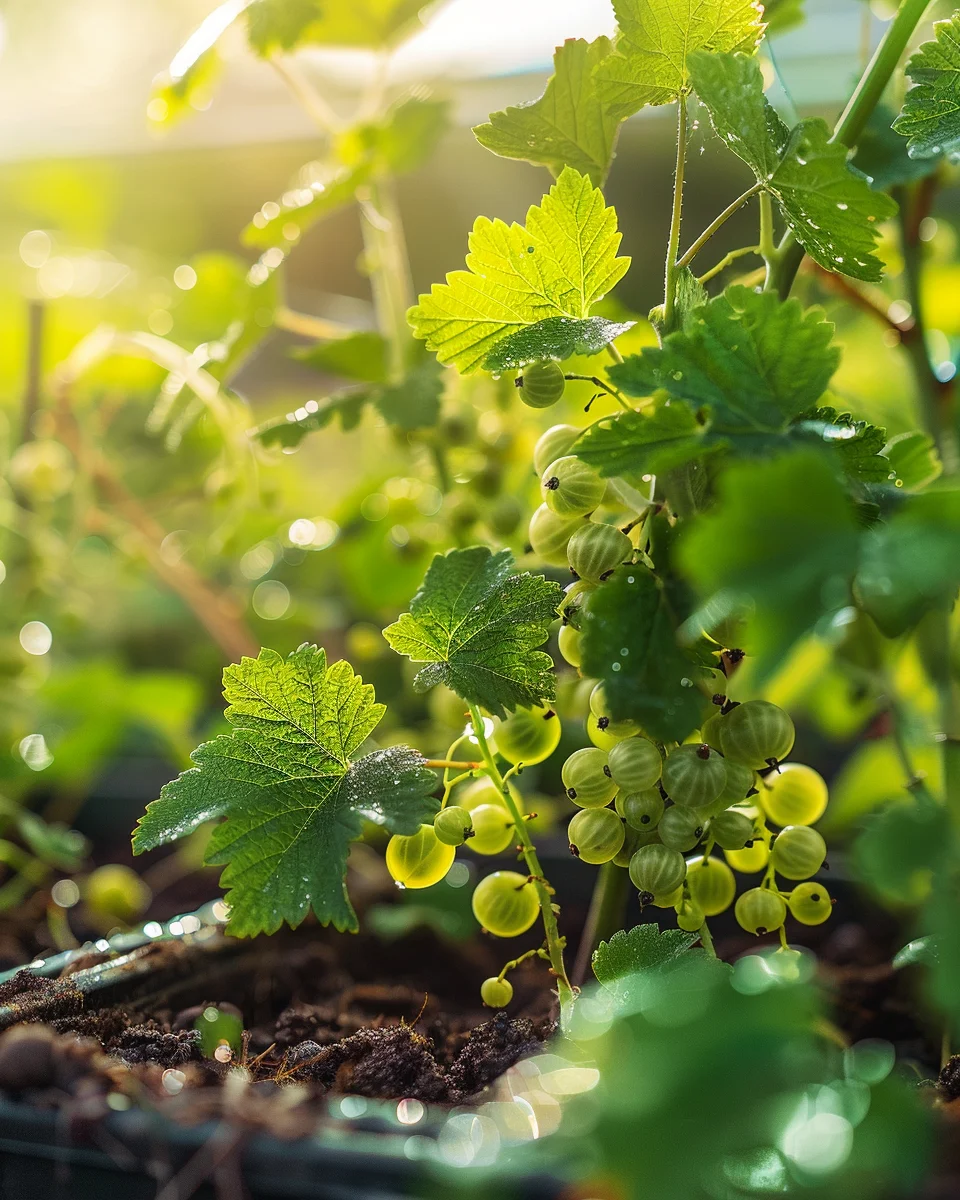
For cool-climate gardeners (USDA zones 3-6, UK northern regions), plant bare-root currants from November to March, with container-grown plants safely planted through April. In warmer regions (USDA zones 7-8, UK southern regions), focus on November to February planting to ensure plants establish before heat stress becomes an issue. Container-grown currants can technically be planted year-round, but avoid summer planting in all regions as the stress of transplanting during hot weather significantly reduces success rates. Always water thoroughly after planting regardless of season.
Best currant varieties to grow in containers
- Red Lake – Compact growth habit (3-4 feet) with excellent productivity, making it ideal for containers.
- Rovada – Late-ripening red currant with exceptionally long fruit clusters and high yields even in smaller spaces.
- Wilder – Red variety with sweeter berries than most, excellent disease resistance, and manageable size.
- Consort – Black currant with compact growth and resistance to white pine blister rust, perfect for smaller containers.
- Ben Sarek – Dwarf black currant (2-3 feet) bred specifically for container culture with large, flavorful berries.
- White Imperial – Translucent white-yellow berries with milder, sweeter flavor than red varieties and compact growth.
- Pink Champagne – Unique pink currant with sweet-tart flavor, ornamental appeal, and manageable size.
How to plant currants in containers
Materials needed:
- Container (minimum 40-50cm/16-20in diameter and depth)
- High-quality potting mix with added compost
- Slow-release organic fertilizer
- Currant plant (bare root or container-grown)
- Mulch (bark chips or straw)
- Watering can or hose
Step-by-step planting:
- Select a container with multiple drainage holes and at least 40-50cm (16-20in) in diameter and depth.
- Fill the bottom of the container with a 5cm (2in) layer of gravel or broken pottery to improve drainage.
- Mix potting soil with about 25% compost and a handful of slow-release organic fertilizer.
- Fill the container halfway with the soil mixture.
- Remove the currant from its nursery pot or, if bare-root, soak roots in water for 1-2 hours before planting.
- Position the plant in the center of the container, spreading the roots outward.
- Add more soil mixture around the plant, ensuring the previous soil line on the stem is at the same level as your new soil (or slightly deeper for bare-root plants).
- Firm the soil gently around the plant to eliminate air pockets.
- Water thoroughly until water flows from the drainage holes.
- Apply a 5cm (2in) layer of mulch around the plant, keeping it away from the stem.
How to grow currants in containers
Currants in containers need consistent attention to thrive. Position your container where it receives 4-6 hours of morning sunlight with afternoon shade in warmer regions, or full sun in cooler climates. Water consistently, keeping the soil evenly moist but never waterlogged—typically every 2-3 days during growing season, adjusting for rainfall and temperature. Container-grown currants dry out faster than ground-planted ones, so check soil moisture frequently by inserting your finger 2-3cm (1in) into the soil.
Feed with balanced, slow-release organic fertilizer in early spring, followed by a potassium-rich fertilizer (like comfrey tea or tomato feed) when flowers appear to boost fruit production. Mulch the container surface to retain moisture and suppress weeds. Prune in late winter, removing dead or crossing branches and maintaining an open-centered shape. For black currants, remove one-third of the oldest stems annually; for red and white currants, maintain a permanent framework and prune new growth back by half.
Container specifics: repot every 2-3 years in early spring, moving to a slightly larger container or refreshing the soil in the same container after root pruning. In very cold regions, consider moving containers to a sheltered location or wrapping with bubble wrap during extreme winter conditions.
Caring for currants in containers
Ongoing care includes regular watering, annual feeding, and seasonal pruning. Monitor for common pests like aphids (treat with strong water spray or insecticidal soap), currant sawfly larvae (handpick or use organic insecticide), and red spider mites (increase humidity by misting foliage). Watch for powdery mildew (white powdery coating on leaves), which can be prevented with good air circulation and treated with organic fungicides or milk spray (1 part milk to 9 parts water).
Harvest currants when the entire cluster has reached full color—typically mid-summer, depending on variety and climate. For red and white currants, the berries should be firm and glossy; black currants are ready when slightly soft. Harvest entire fruit clusters by snipping them off with scissors to avoid damaging the delicate fruit branches. Fresh currants store in the refrigerator for 1-2 weeks; alternatively, freeze whole clusters on trays before transferring to freezer bags for long-term storage.
Understanding bolting in currants
Unlike many garden vegetables, currants don’t bolt in the traditional sense. However, they can experience stress responses that affect fruit production. Heat stress during flowering can cause premature fruit drop or poor fruit set. Extended drought can trigger early leaf drop and reduced vigor. Insufficient winter chilling (below 7°C/45°F for 800-1,500 hours) may result in poor bud break and reduced flowering.
To prevent these stress responses, ensure consistent watering, provide afternoon shade in hot climates, and select varieties appropriate for your climate’s chilling hours. If your currant shows signs of heat stress (wilting despite adequate moisture, yellowing leaves), move the container to a cooler location and increase watering frequency. For plants showing insufficient chilling symptoms (sparse, uneven leafing), consider growing more adaptable varieties or artificially extending winter by placing containers in a refrigerator for several weeks.
Why does currant fruit turn bitter?
- Harvesting too early: Pick fruit only when fully ripe; unripe currants are naturally bitter.
- Heat stress: Protect plants from excessive heat with afternoon shade and consistent watering.
- Nutrient imbalance: Too much nitrogen promotes leaf growth at the expense of fruit quality; use balanced fertilizers.
- Variety characteristics: Some varieties, particularly black currants, have naturally stronger flavors; try milder varieties like pink or white currants if preferred.
- Poor pollination: Incomplete pollination can affect fruit development and flavor; hand-pollinate flowers with a small brush if insect pollinators are scarce.
Companion planting for currants in containers
Good companions:
- Alliums (chives, garlic) – Repel aphids and other insect pests while taking up minimal root space.
- Nasturtiums – Attract pollinators and act as trap crops for aphids, protecting your currants.
- Comfrey (in separate container) – Leaves can be used as nutrient-rich mulch or compost tea.
- Marigolds – Repel nematodes and other soil pests with their root secretions.
- Borage – Attracts beneficial pollinators and predatory insects that control pests.
Avoid planting near:
- Tomatoes – Compete for similar nutrients and can transmit diseases to currants.
- White pine trees – Black currants can host white pine blister rust (unless growing rust-resistant varieties).
- Aggressive herbs like mint – Will compete for resources and potentially overtake the container.
Seasonal calendar
- January-February: Prune dormant plants; protect containers from extreme cold.
- March: Apply slow-release fertilizer; plant new bare-root or container-grown currants.
- April: Monitor for early pest activity; ensure consistent watering as growth begins.
- May: Flowering period; apply potassium-rich fertilizer; protect from late frosts.
- June: Increase watering frequency; watch for pests and diseases; install bird netting if needed.
- July-August: Harvest period; maintain consistent watering; provide afternoon shade in hot regions.
- September: Reduce watering slightly as growth slows; clean up fallen leaves.
- October-November: Apply mulch for winter protection; move containers to sheltered location in very cold regions.
- December: Rest period; check occasionally for water needs during dry spells.
Problems & solutions
| Problem | Quick Fix |
|---|---|
| Yellowing leaves | Check for overwatering; ensure container drains well; apply balanced fertilizer if nutrient deficiency suspected. |
| Few or small fruits | Improve pollination with hand-pollination; apply potassium-rich fertilizer when flowering; ensure adequate sunlight. |
| Leaf spots | Improve air circulation; avoid overhead watering; apply organic fungicide; remove affected leaves. |
| Curled leaves with aphids | Spray with strong water jet; apply insecticidal soap; introduce ladybugs as natural predators. |
| Skeletonized leaves | Check undersides for sawfly larvae; handpick or spray with organic insecticide containing pyrethrum. |
| Cracked container soil | Improve watering consistency; add organic matter when repotting; maintain mulch layer. |
| Birds eating berries | Cover plants with bird netting or fruit cages when berries begin to color. |
Common questions about growing currants in containers
Q: How large should my container be for currants?
A: Use containers at least 40-50cm (16-20in) in diameter and depth. Larger containers (60cm/24in) will require less frequent watering and allow for better root development.
Q: How much sun do container-grown currants need?
A: In cool climates, provide full sun (6+ hours). In warmer regions, morning sun with afternoon shade is ideal to prevent heat stress.
Q: How often should I water my container currants?
A: Check soil moisture every 1-2 days during growing season. Generally, water when the top 2-3cm (1in) of soil feels dry, typically every 2-3 days in summer and less frequently in cooler months.
Q: Do currants in containers need special winter care?
A: In zones 5 and colder, move containers to a sheltered location (against a wall, under eaves) or wrap with bubble wrap/horticultural fleece. The roots are more vulnerable to freezing in containers than in ground.
Q: How long before my container-grown currants produce fruit?
A: Most container-grown currants will produce a small harvest in their second year and reach full production by year three. Maintain consistent care for best yields.
Q: How do I know when to repot my currant bush?
A: Repot every 2-3 years in early spring when you notice slowed growth, roots circling at the drainage holes, or water running straight through without being absorbed.
Q: Can I grow different currant varieties in the same container?
A: It’s best to grow one variety per container as they may have different growth rates and care needs. If you have limited space, choose one versatile variety rather than crowding multiple types.