
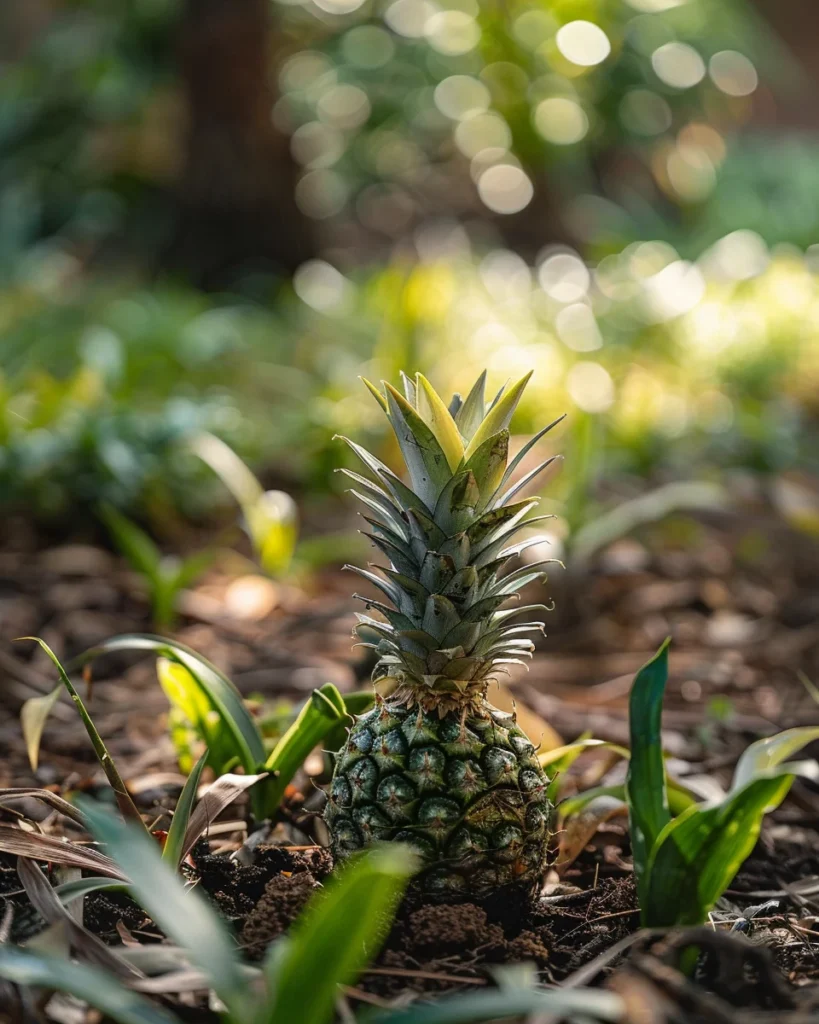
How to Grow Pineapple from Tops: A Simple Guide to Tropical Gardening at Home
Intro for how to grow pineapple from tops
Growing pineapples from the leafy tops is one of gardening’s most rewarding recycling projects. This tropical fruit (Ananas comosus) doesn’t require special seeds or seedlings—just the crown you’d normally discard after enjoying the fruit. While pineapples naturally thrive in tropical environments, they make surprisingly adaptable houseplants in temperate regions, requiring minimal care once established. The process takes patience—typically 2-3 years before fruiting—but offers the unique satisfaction of growing an exotic fruit from kitchen scraps. Beyond the eventual harvest, pineapple plants provide striking ornamental value with their sword-like foliage arranged in an elegant rosette pattern, making them decorative additions to sunny indoor spaces or summer patios.
When to plant how to grow pineapple from tops
In temperate regions, the best time to start pineapple tops is during the warmer months of spring and summer when ambient temperatures remain consistently above 65°F (18°C). These tropical plants cannot tolerate frost and prefer warm conditions to establish roots. If you’re growing indoors, you can start pineapple tops year-round, provided you maintain temperatures between 65-85°F (18-29°C). For outdoor growing in cooler climates (US Zones 9-11 or UK mild coastal areas), wait until all danger of frost has passed and soil temperatures reach at least 65°F (18°C) before placing potted pineapples outside.
Best time to plant how to grow pineapple from tops
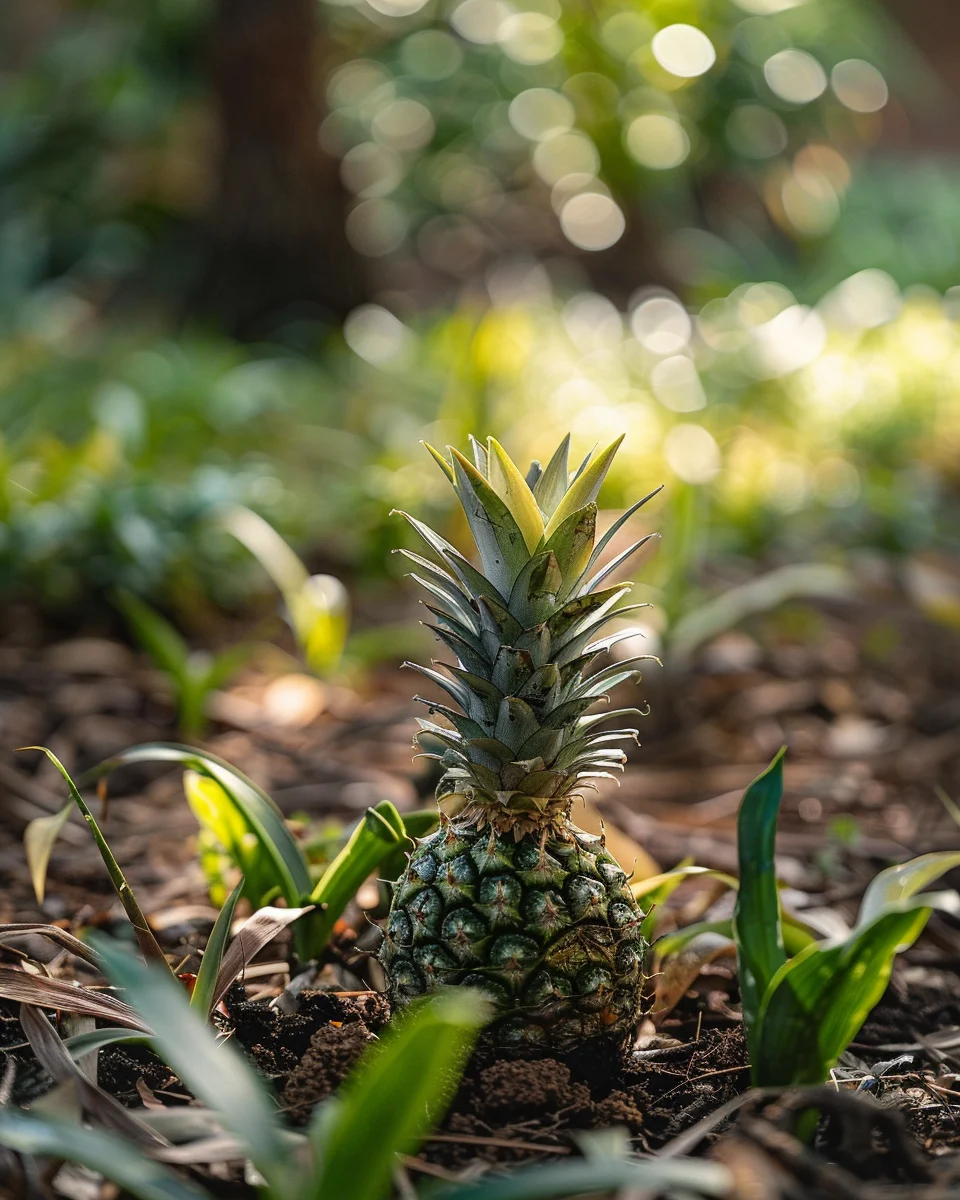
For warm climate regions (US Zones 10-11, Mediterranean areas), plant pineapple tops outdoors from March through August when temperatures consistently stay above 65°F (18°C). In cooler temperate regions, start tops indoors in April through June, then move containers outdoors for summer sunshine once nighttime temperatures remain above 55°F (13°C). For indoor growing in any climate, late winter to early spring (February-April) is ideal as increasing natural light helps stimulate root development. This timing allows the plant to establish before the following winter when growth naturally slows.
Best how to grow pineapple from tops varieties to grow
- Smooth Cayenne – Most common commercial variety with less spiny leaves, making it easier to handle for home growers.
- Queen – Produces smaller but exceptionally sweet fruits with a rich yellow flesh, excellent for container growing.
- Red Spanish – More cold-tolerant than other varieties, with distinctive reddish leaves and a robust growth habit.
- Abacaxi – Renowned for exceptional sweetness and aroma, though more challenging to find in stores.
- Sugarloaf – Features lighter colored flesh with low acidity and a sweet, mild flavor profile.
- Singapore Spanish – Compact growing habit makes it ideal for smaller containers and indoor cultivation.
How to plant how to grow pineapple from tops
Materials needed:
- Fresh pineapple top with healthy crown
- Sharp knife
- Small glass or jar of water
- 6-8 inch (15-20 cm) pot with drainage holes
- Well-draining potting mix (cactus/succulent mix works well)
- Small pebbles for drainage layer (optional)
Step-by-step planting:
- Select a fresh pineapple with healthy, green leaves (not yellowed or damaged).
- Twist off the leafy crown or cut it about 1/2 inch (1 cm) below where the leaves meet the fruit.
- Remove some of the lower leaves, exposing about 1 inch (2.5 cm) of the stem base.
- Allow the cut end to dry and callus for 5-7 days to prevent rotting.
- Optional: Place the prepared top in a shallow container of water, with just the base touching water, until roots begin to form (2-3 weeks).
- Fill your pot with well-draining potting mix, leaving 2 inches (5 cm) of space at the top.
- Plant the pineapple top about 1 inch (2.5 cm) deep, firming the soil gently around the base.
- Water thoroughly until water drains from the bottom, then allow the soil to dry slightly before watering again.
- Place in a warm location with bright, indirect light until established (about 1-2 months).
How to grow how to grow pineapple from tops
Pineapple plants require bright light to thrive—at least 6 hours of direct sunlight daily is ideal. Place indoor plants in south-facing windows or supplement with grow lights. Water sparingly, allowing the soil to dry out between waterings; overwatering is the most common cause of failure. During active growth seasons (spring and summer), water when the top 2 inches (5 cm) of soil feels dry. Reduce watering in winter to prevent root rot. Fertilize lightly every 2-3 months with a balanced, water-soluble fertilizer diluted to half strength.
For container growing, use pots at least 12 inches (30 cm) wide for mature plants, as the rosette can spread to 3-4 feet (90-120 cm) in diameter. Pineapples don’t require pruning beyond removing dead or damaged leaves. They’re self-supporting plants that don’t need staking. If growing outdoors in summer, gradually acclimate plants to direct sunlight to prevent leaf burn, and bring them indoors before temperatures drop below 60°F (15°C).
Caring for how to grow pineapple from tops
Monitor your pineapple plant for pests like mealybugs and scale insects, which appear as white cottony masses or brown bumps on leaves. Treat infestations with insecticidal soap or neem oil, applying directly to affected areas. Root rot, caused by overwatering, presents as yellowing leaves and a foul smell from the soil—reduce watering immediately and ensure proper drainage if this occurs.
After approximately 18-24 months of growth, your plant may produce a red cone-like structure from its center, followed by blue-purple flowers and eventually a small pineapple. To encourage fruiting in mature plants (over 2 years old), place the plant in a clear plastic bag with a ripe apple for 3-5 days—the ethylene gas released by the apple can trigger flowering.
Harvest your homegrown pineapple when it develops a golden color and emits a sweet aroma at the base. Cut the fruit with several inches of stem attached. Homegrown pineapples are best consumed fresh but can be stored at room temperature for a few days or refrigerated for up to a week.
Understanding bolting in how to grow pineapple from tops
Unlike leafy vegetables, pineapples don’t bolt in the traditional sense. Instead, they have a natural flowering cycle that leads to fruit production. This process typically begins after the plant reaches maturity (around 18-24 months) and is triggered by environmental factors rather than being a stress response. The central “bolting” or flowering is actually the desired outcome, as it’s the precursor to fruit development.
Temperature fluctuations, particularly cooler nights followed by warm days, can naturally trigger flowering. If you want to encourage your mature pineapple to flower, you can simulate these conditions by temporarily moving the plant to a cooler location (around 65°F/18°C) at night while maintaining warmer daytime temperatures. The previously mentioned ethylene treatment (using a ripe apple) is another effective method to induce flowering in mature plants that seem reluctant to produce fruit.
Why does how to grow pineapple from tops turn bitter?
- Immature harvesting: Picking the fruit before it’s fully ripened can result in a bitter, acidic taste—allow the fruit to develop a golden color throughout before harvesting.
- Temperature stress: Exposure to temperatures below 60°F (15°C) during fruit development can affect sugar development—protect plants from cold snaps.
- Inconsistent watering: Drought stress during fruit formation can lead to concentrated acids—maintain even moisture (not wet) during fruiting.
- Nutrient deficiencies: Lack of potassium and magnesium can affect fruit sweetness—apply a balanced fertilizer with micronutrients during the growing season.
- Genetic factors: Some pineapple varieties naturally contain more acids—choose sweet varieties like Queen or Sugarloaf for home growing.
Companion planting for how to grow pineapple from tops
Since pineapples are typically grown in containers or as standalone plants, traditional companion planting is less relevant. However, if incorporating them into a tropical garden setting or greenhouse, consider these compatible neighbors:
- Bromeliads – Share similar care requirements and create a cohesive tropical aesthetic.
- Ornamental gingers – Provide complementary tropical foliage without competing for resources.
- Marigolds – Help repel nematodes that can damage pineapple roots.
- Lemongrass – Acts as a natural insect repellent while thriving in similar conditions.
- Basil – Can deter some pests while enjoying the same well-draining soil and sunlight requirements.
Avoid planting pineapples near:
- Tomatoes – Can host similar diseases and compete for nutrients.
- Large, aggressive root systems – Plants like bamboo can overwhelm and compete with pineapple’s relatively shallow roots.
Seasonal calendar
- January-February: Maintain indoor plants with reduced watering; prepare to start new tops indoors in late winter.
- March-April: Begin new pineapple tops indoors; increase watering and fertilizing for existing plants as growth resumes.
- May-June: Move container plants outdoors in warm regions; excellent time to start new tops.
- July-August: Provide consistent water during hot weather; protect from intense afternoon sun in very hot climates.
- September-October: Begin preparing to bring outdoor plants inside in cooler regions; reduce fertilizing.
- November-December: Move all plants indoors in temperate regions; reduce watering frequency for winter dormancy period.
Note: In tropical regions (US Zones 10-11), pineapples can remain outdoors year-round and may flower/fruit in any season, though they typically produce during warmer months.
Problems & solutions
| Problem | Quick Fix |
|---|---|
| Yellowing leaves | Usually indicates overwatering; allow soil to dry completely between waterings and ensure excellent drainage. |
| Brown leaf tips | Often caused by low humidity or salt buildup; mist leaves regularly and flush soil with clean water every few months. |
| Plant not fruiting after 2+ years | Try the apple treatment: place plant with a ripe apple in a clear plastic bag for 3-5 days to expose it to ethylene gas. |
| Mealybugs or scale insects | Wipe affected areas with cotton swabs dipped in 70% isopropyl alcohol, then treat with insecticidal soap. |
| Rotting base/center | Reduce watering immediately; ensure no water collects in the center rosette by watering at soil level only. |
| Stunted growth | Check for root binding; repot if necessary and ensure adequate light (minimum 6 hours direct sun daily). |
Common questions about growing how to grow pineapple from tops
How often should I water my pineapple plant?
Water thoroughly when the top 2 inches (5 cm) of soil feels dry to the touch, typically every 7-10 days for indoor plants. Reduce to every 2-3 weeks in winter. Never leave the plant sitting in water.
Can I grow pineapple plants in partial shade?
Pineapples need bright light to thrive and fruit. They require at least 6 hours of direct sunlight daily, though in extremely hot climates, they benefit from afternoon shade. Under insufficient light, plants will grow slowly and rarely flower.
What size container does a pineapple plant need?
Start with a 6-8 inch (15-20 cm) pot, then repot to a 10-12 inch (25-30 cm) container as the plant matures. The final container should be at least 5 gallons (19 liters) to accommodate the full-sized plant and support fruiting.
How long does it take for a pineapple top to produce fruit?
Patience is essential—pineapple plants typically take 18-24 months to flower and an additional 6 months for the fruit to develop and ripen. Total time from planting to harvest is usually 2-3 years under optimal conditions.
Can pineapple plants survive winter outdoors?
Pineapples cannot tolerate frost and will suffer damage below 60°F (15°C). They can only remain outdoors year-round in tropical and subtropical regions (US Zones 10-11). In cooler areas, bring plants indoors before temperatures drop below 55°F (13°C).
Will my pineapple plant produce more than one fruit?
Yes, after fruiting, the mother plant will gradually die back but usually produces 1-3 offshoots (called “pups”) around its base. These can be carefully separated and grown as new plants once they reach about one-third the size of the mother plant.
Is the homegrown pineapple fruit safe to eat?
Absolutely! Homegrown pineapples are perfectly edible and often more flavorful than store-bought, though typically smaller. The average homegrown pineapple weighs 1-3 pounds (0.5-1.5 kg) compared to commercial fruits that can reach 5-6 pounds (2.3-2.7 kg).