
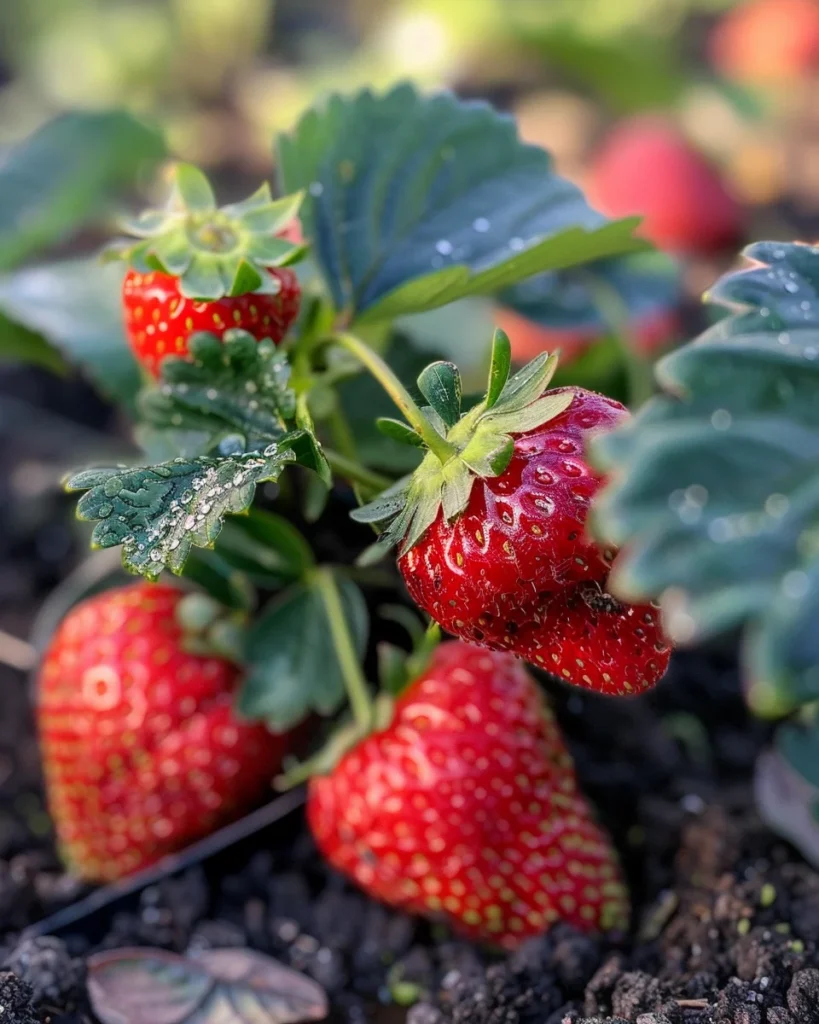
How to Grow Strawberries in Towers: Space-Saving Method for Abundant Harvests
Intro for growing strawberries in towers
Strawberry towers are vertical growing systems that allow gardeners to produce abundant harvests in minimal space. These space-saving structures are perfect for small gardens, patios, or balconies, enabling you to grow dozens of strawberry plants in the footprint of just a few traditional rows. Strawberry towers provide excellent air circulation, reduce pest and disease problems, keep fruits clean and off the ground, and make harvesting incredibly convenient. They work best in sunny locations with well-draining soil and are suitable for most temperate climates. Whether you’re short on space or simply want to maximize your strawberry production, tower growing is an efficient and rewarding method.
When to plant strawberries in towers
The ideal time to plant strawberries in towers depends on your climate and the type of strawberry plants you’re using. In general temperate regions, early spring is optimal once soil temperatures reach 10-15°C (50-60°F) and all danger of hard frost has passed. In warmer regions (US Zones 8-10), fall planting is also possible, giving plants time to establish before the following growing season. If using dormant bare-root plants, they can be planted earlier in spring when temperatures are still cool. Potted strawberry plants should be planted after the last frost date in your area. For most regions, aim for soil that has warmed but before summer heat arrives.
Best time to plant strawberries in towers
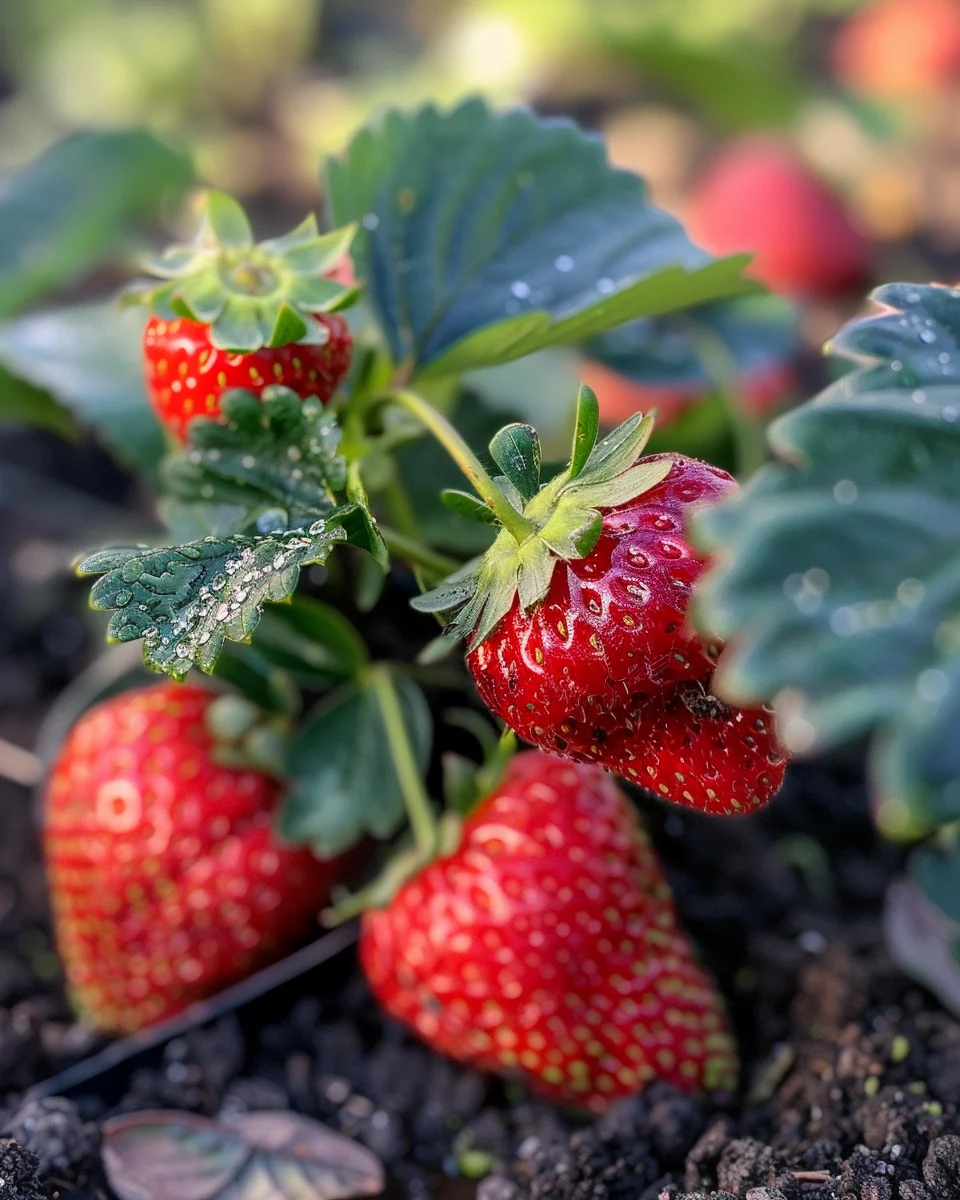
For cool temperate climates (UK, Northern US, Canada), plant strawberries in towers from mid-March to late April. In moderate climates (US Zones 6-7), the window extends from early March to mid-April. For warm climates (US Zones 8-10, Mediterranean regions), plant from February to March or September to October for fall planting. Potted strawberry plants can be transplanted throughout the growing season as long as they’re kept well-watered, though spring remains ideal. If using runners from existing plants, transplant them in late summer when they’ve developed good root systems. Avoid planting during extreme heat, as young plants will struggle to establish.
Best strawberry varieties to grow in towers
- Albion – Day-neutral variety that produces consistently throughout the season with excellent flavor and disease resistance.
- Seascape – Highly productive day-neutral variety that adapts well to container growing with large, sweet berries.
- Ozark Beauty – Everbearing variety that produces two main crops and is known for its sweet flavor and adaptability.
- Tribute – Day-neutral variety with excellent disease resistance and consistent production in various climates.
- Fort Laramie – Cold-hardy everbearing variety perfect for northern gardens with large, aromatic fruits.
- Mara des Bois – Compact day-neutral with intense wild strawberry flavor, ideal for space-limited towers.
- Alpine Alexandria – Produces small, intensely flavored berries without runners, making it perfect for contained tower systems.
How to plant strawberries in towers
Materials needed:
- Strawberry tower (commercial or DIY using PVC pipe, fabric pockets, or stacked pots)
- Strawberry plants (bare-root or potted)
- High-quality potting mix with added compost
- Slow-release fertilizer specific for berries
- Watering can or irrigation system
- Garden gloves
- Trowel
Step-by-step planting:
- Position your tower in a location that receives at least 6-8 hours of sunlight daily.
- If using a DIY tower, ensure you’ve created adequate drainage holes throughout.
- Mix potting soil with compost and slow-release fertilizer according to package directions.
- Fill the bottom portion of your tower with the soil mixture.
- For vertical towers with side openings, insert strawberry plants as you fill, ensuring roots are spread out and crown (where stems meet roots) sits at soil level.
- Space plants approximately 20-25 cm (8-10 inches) apart around the tower.
- Continue filling and planting until the tower is complete, leaving 2-3 cm (1 inch) at the top for watering.
- Water thoroughly until moisture drains from the bottom, ensuring all plants receive water.
- Add a few plants to the top of the tower if your design allows.
- Apply a light layer of mulch around plants to retain moisture if possible.
How to grow strawberries in towers
Strawberry towers require full sun, ideally 6-8 hours daily. Position towers where they receive morning sun with some afternoon shade in hot climates. Water consistently, checking the soil moisture daily during warm weather as towers dry out faster than ground plantings. Most towers require watering every 1-2 days during growing season, possibly daily during hot spells. Install a drip irrigation system for consistent moisture.
Fertilize with a balanced liquid fertilizer diluted to half-strength every 2-3 weeks during the growing season. Alternatively, use slow-release fertilizer formulated for berries at planting time and mid-season. Remove runners regularly unless you’re propagating new plants, as they divert energy from fruit production. Prune off dead or yellowing leaves to improve air circulation and reduce disease risk.
For winter protection in cold regions, move portable towers to a sheltered location or wrap them with burlap and straw. In hot climates, provide afternoon shade during intense summer heat to prevent stress. Rotate your tower a quarter turn weekly to ensure all plants receive adequate sunlight.
Caring for strawberries in towers
Monitor moisture levels carefully, as tower systems can dry out quickly. Check for pests regularly, particularly aphids and spider mites which can quickly infest vertical systems. If you spot aphids (tiny green/black insects on stems/leaves), spray with insecticidal soap or a strong water jet. For spider mites (fine webbing, stippled leaves), increase humidity around plants and apply neem oil.
Watch for signs of powdery mildew (white powdery coating on leaves) and treat with a baking soda spray (1 tablespoon baking soda, 1 teaspoon mild liquid soap, 1 gallon water). Botrytis (gray mold) can be prevented by ensuring good air circulation and avoiding overhead watering.
Harvest berries when fully colored and slightly soft to touch, typically every 2-3 days during peak season. Pick in morning hours when temperatures are cool for best flavor. Gently pull berries with a small portion of stem attached. Fresh strawberries keep for 3-5 days in the refrigerator, unwashed and loosely covered.
Understanding bolting in strawberries in towers
Bolting is not a common issue with strawberries as it is with leafy vegetables. However, strawberries can experience similar stress responses that affect production. When exposed to high temperatures and long daylight hours, some strawberry varieties may stop producing flowers and focus on runner production instead. This is particularly common with June-bearing varieties after their main crop.
To prevent production slowdowns, choose day-neutral or everbearing varieties for tower growing, as they’re less sensitive to daylight length. Provide afternoon shade during intense summer heat, especially in southern regions. Maintain consistent moisture to prevent stress. If production slows in summer heat, focus on proper care and wait for cooler temperatures when many varieties will resume flowering. Remove excess runners to redirect energy to fruit production unless you’re intentionally propagating new plants.
Why do strawberries in towers turn bitter?
- Insufficient water: Inconsistent watering causes stress that affects flavor – maintain even moisture throughout the growing season.
- Excessive heat: High temperatures can cause bitter compounds to develop – provide afternoon shade in hot climates.
- Immature harvesting: Picking berries before fully ripe results in tart, bitter flavor – harvest only when fully colored and slightly soft.
- Nutrient imbalance: Too much nitrogen promotes leafy growth at the expense of sweet fruits – use balanced fertilizer formulated for berries.
- Variety selection: Some varieties naturally have higher acidity – choose varieties known for sweetness if bitter flavor is a concern.
Companion planting for strawberries in towers
Good companions:
- Borage – Attracts pollinators and is said to improve strawberry flavor and yield.
- Thyme – Repels worms that can damage strawberry plants and can be planted in the same tower.
- Spinach – Grows well in the same conditions and can be planted in lower sections of towers.
- Chives – Deter aphids and other pests while taking up minimal space in the tower.
- Marigolds – Plant near the base of towers to repel nematodes and other soil pests.
Avoid planting near:
- Brassicas (cabbage, broccoli, cauliflower) – Compete for nutrients and can inhibit strawberry growth.
- Mint – Too aggressive and will quickly take over a tower system.
- Tomatoes – Can transmit verticillium wilt to strawberries.
Seasonal calendar
- January-February: Order plants, prepare or repair towers (indoor work).
- March: Plant bare-root strawberries in towers in mild regions; prepare towers in colder areas.
- April: Plant strawberries in towers in cooler regions; water and monitor for late frosts.
- May: Apply first fertilizer; remove early flowers from newly planted June-bearing varieties.
- June: Harvest begins for June-bearing varieties; continue regular watering and monitoring.
- July: Peak harvest for many varieties; water consistently; apply second fertilizer.
- August: Continue harvesting everbearing and day-neutral varieties; propagate runners if desired.
- September: Fall planting in warm regions; continue harvesting day-neutral varieties.
- October: Final harvests; clean up dead foliage; prepare towers for winter in cold regions.
- November-December: Protect towers from freezing in cold regions; plan for next season.
Problems & solutions
| Problem | Quick Fix |
|---|---|
| Dry soil/wilting plants | Install drip irrigation system; check moisture daily; consider water-retaining crystals in soil mix. |
| Poor fruit production | Ensure 6-8 hours of sunlight; remove runners; apply balanced fertilizer; check for overcrowding. |
| Small, malformed berries | Improve pollination by planting pollinator-attracting flowers nearby or hand-pollinate with a small brush. |
| Leaf spots/disease | Improve air circulation; avoid overhead watering; remove affected leaves; apply organic fungicide if necessary. |
| Birds eating berries | Cover tower with bird netting or place reflective tape nearby. |
| Uneven watering in tower | Install a central watering pipe with holes throughout or use drip irrigation with multiple emitters. |
| Tower tipping over | Ensure wider base; add weight to bottom; stake to nearby structure if necessary. |
Common questions about growing strawberries in towers
How often should I water my strawberry tower?
Check moisture daily, especially during warm weather. Most towers require watering every 1-2 days during the growing season, possibly daily during hot spells. Water until moisture drips from the bottom, ensuring all plants receive adequate hydration.
How many strawberry plants can I fit in a tower?
This depends on tower size, but a typical 1-meter (3-foot) tall tower with a 20-30 cm (8-12 inch) diameter can accommodate 15-25 plants. Space plants about 20-25 cm (8-10 inches) apart for optimal growth.
Can I grow strawberries in towers indoors?
Yes, with sufficient light. Place near a south-facing window or use grow lights providing 8-10 hours of light daily. Indoor towers will need hand-pollination using a small brush to transfer pollen between flowers.
How long will a strawberry tower produce?
Strawberry plants are productive for 3-4 years. For continued high yields, replace approximately one-third of your plants each year. Complete soil replacement every 2-3 years helps prevent disease buildup.
Can I use runners from my tower strawberries to grow new plants?
Yes! Allow selected runners to develop roots while still attached to the mother plant, then cut the connecting stem and transplant to soil or another tower. This is an excellent way to propagate new plants for free.
What’s the best material for a DIY strawberry tower?
PVC pipe (food-grade), terracotta pots, fabric grow bags, or wooden structures all work well. Ensure any material provides adequate drainage and won’t leach harmful chemicals. Dark-colored materials may overheat in full sun, so consider this when selecting materials.
Do strawberries in towers need winter protection?
In regions where temperatures drop below -7°C (20°F), provide winter protection by moving portable towers to sheltered locations or wrapping them with burlap and straw. In milder climates, minimal protection is needed.