
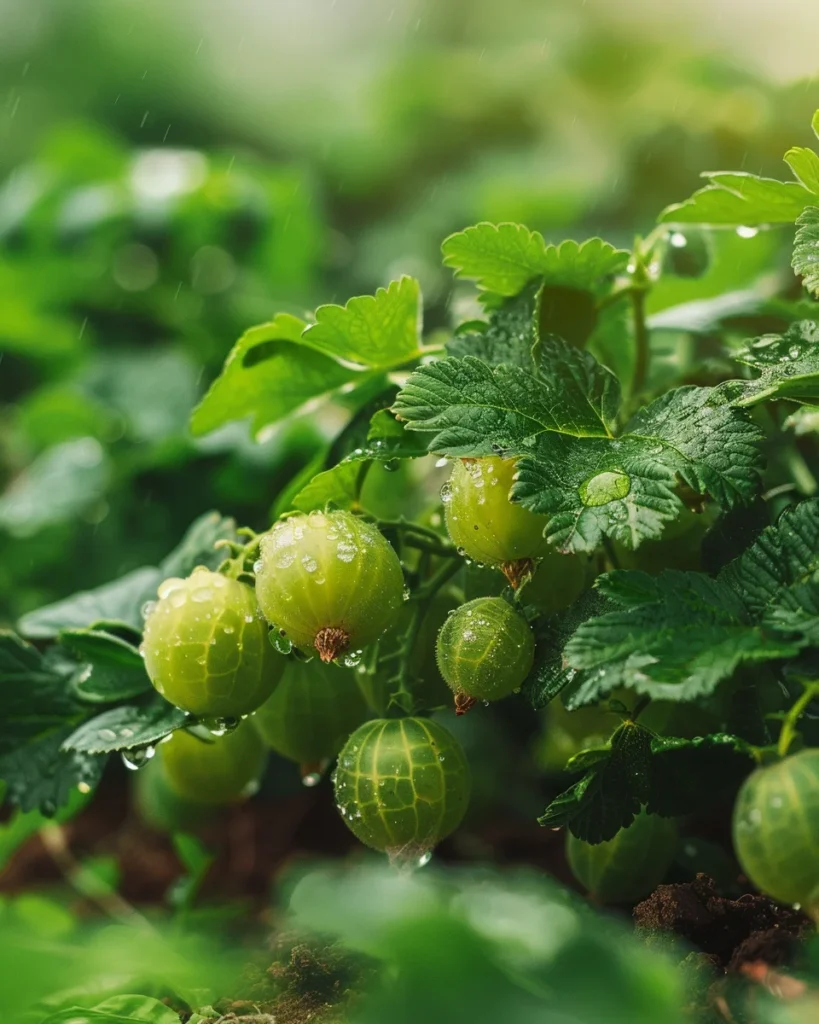
How to Grow Gooseberries in Shade: Best Varieties, Planting Tips & Care Guide
Intro for growing gooseberries in shade
Gooseberries are versatile fruits that, unlike many fruiting plants, can thrive in partially shaded conditions. These tart berries (Ribes species) produce well even with just 3-4 hours of direct sunlight, making them perfect for north-facing gardens or spots overshadowed by trees. Native to Europe and parts of Asia, gooseberries offer gardeners in temperate regions a reliable fruit crop that’s rich in vitamin C and antioxidants. Their ability to produce in shade makes them valuable additions to woodland gardens or areas where other fruits might struggle. With proper variety selection and care, shade-grown gooseberries can be just as productive as their sun-loving counterparts.
When to plant gooseberries in shade
Gooseberries are best planted during their dormant season, from late autumn through early spring (November to March in the UK, or late October to April in US zones 3-7). This timing allows roots to establish before the growing season begins. Soil temperatures between 5-10°C (40-50°F) are ideal for planting. Gooseberries are extremely frost-hardy once established, tolerating temperatures down to -40°C/°F when dormant, making them suitable for most temperate regions. In warmer areas (US zones 8-9), plant in late autumn to give roots time to establish before summer heat arrives.
Best time to plant gooseberries in shade
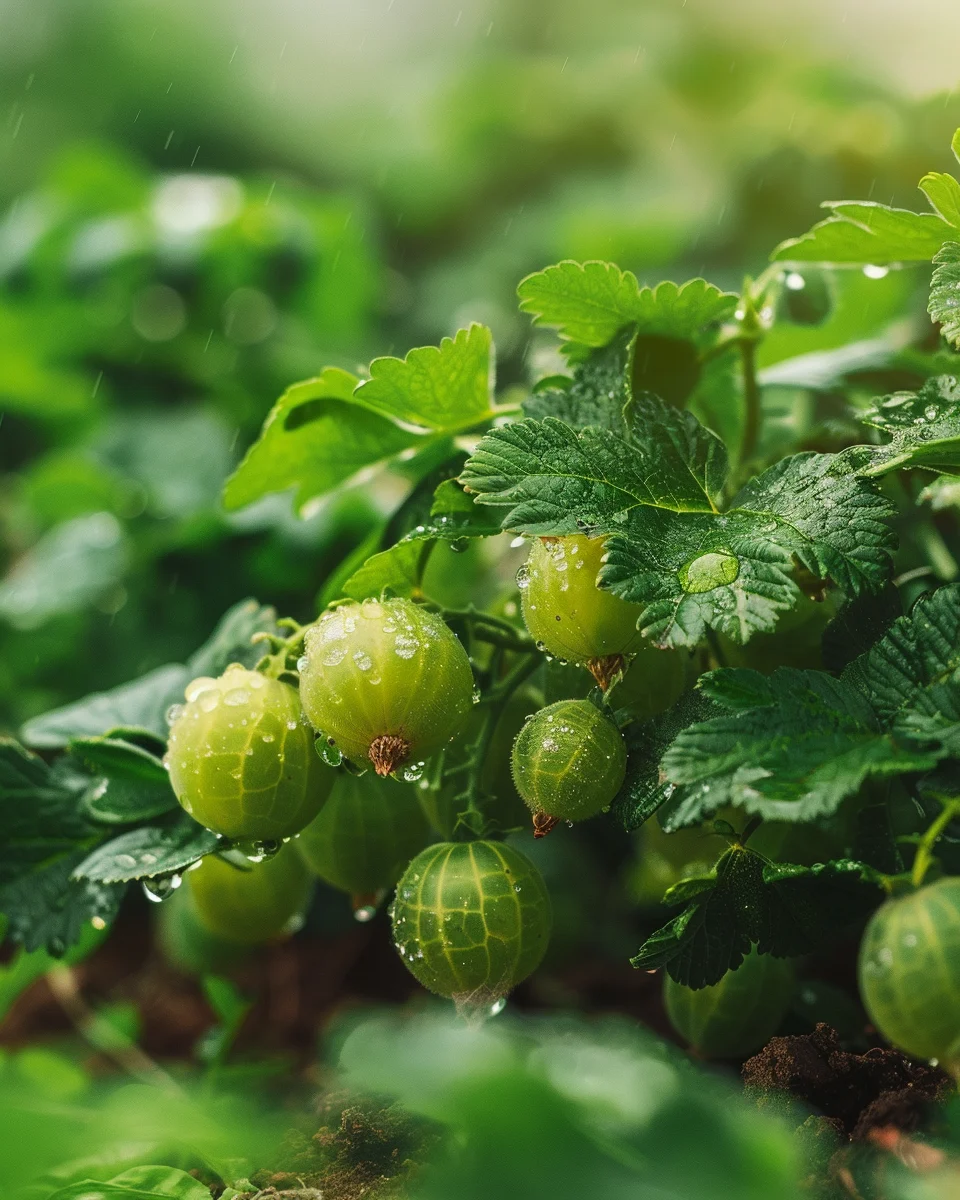
For cool temperate regions (UK, northern Europe, US zones 3-6), the optimal planting window is November through February when plants are fully dormant. Bare-root plants should be planted as soon as soil can be worked in late winter, while container-grown specimens can be planted anytime if properly watered. For warmer regions (US zones 7-8), aim for November through January planting to avoid late spring heat. Regardless of your climate, avoid planting during summer months when heat stress can compromise establishment, especially in shaded locations where soil may remain cool but dry.
Best gooseberry varieties to grow in shade
- Invicta – Exceptionally vigorous with large, pale green fruits; particularly shade-tolerant and disease-resistant.
- Hinnonmaki Red – Sweet-tart red berries with excellent flavor; compact growth habit makes it ideal for smaller shaded gardens.
- Captivator – Nearly thornless variety with sweet pink-red berries; performs reliably in dappled shade.
- Pixwell – Few thorns with light green berries that turn pink when ripe; adapts well to partial shade and various soil types.
- Poorman – Large red fruits with excellent flavor; vigorous and productive even in less-than-ideal light conditions.
- Careless – Traditional English variety with large, translucent green berries; historically grown in cottage gardens where shade was common.
- Leveller – Yellow-green fruits with excellent sweetness; compact growth habit suitable for container growing in shaded patios.
How to plant gooseberries in shade
Materials needed:
- Gooseberry bushes (bare-root or container-grown)
- Garden spade and fork
- Well-rotted manure or compost
- Organic mulch (bark chips, straw, or leaf mold)
- Watering can or hose
- Pruning shears
- Garden stakes (optional)
Step-by-step planting:
- Select a planting site with at least 3-4 hours of filtered sunlight or morning sun with afternoon shade.
- Dig a hole approximately 45cm (18in) wide and 30cm (12in) deep, incorporating plenty of well-rotted organic matter.
- For bare-root plants, create a small mound in the hole center and spread the roots over it; for container plants, ensure the root ball is level with the soil surface.
- Position the plant so that the previous soil mark on the stem is at ground level, avoiding planting too deep.
- Backfill with soil, gently firming around the roots to eliminate air pockets.
- Water thoroughly, applying at least 5-10 liters (1-2 gallons) per plant to settle the soil.
- Apply a 5-7cm (2-3in) layer of organic mulch around the base, keeping it away from the stem to prevent rot.
- Space bushes 1.2-1.5m (4-5ft) apart to allow for good air circulation, which is especially important in shaded locations.
- If planting multiple rows, space rows 1.5-1.8m (5-6ft) apart.
How to grow gooseberries in shade
Gooseberries in shade require specific care to thrive. For sunlight, aim for at least 3-4 hours of dappled or filtered light; morning sun with afternoon shade is ideal. Water deeply once weekly during the growing season, providing approximately 2.5cm (1in) of water, and increase during fruit development and dry spells. In shade, soil retains moisture longer, so check before watering to prevent waterlogging.
Fertilize annually in early spring with a balanced organic fertilizer or apply a 5cm (2in) layer of compost around the base. Mulch with organic materials to retain moisture and suppress weeds, which is particularly important in shade where plants compete for nutrients. Prune during dormancy (winter) to maintain an open-centered bush with 8-10 main branches, removing any crossing, damaged, or diseased wood.
For container growing in shade, select a pot at least 40-50cm (16-20in) in diameter with good drainage. Use loam-based compost mixed with 20% grit for drainage. Container plants in shade will need more regular watering and feeding than those in the ground.
Caring for gooseberries in shade
Ongoing care for shade-grown gooseberries includes annual mulching in spring, regular watering during dry spells, and winter pruning to maintain an open structure. The main pests to watch for include gooseberry sawfly larvae, which can defoliate plants quickly – inspect undersides of leaves regularly and remove by hand or treat with organic insecticides. American gooseberry mildew appears as white powdery coating on leaves and fruits, particularly in humid, shaded conditions – improve air circulation through pruning and avoid overhead watering.
Harvest gooseberries when they reach full size but are still firm, usually from June to July depending on variety and climate. For cooking, pick them slightly underripe; for fresh eating, allow them to fully ripen on the bush. Harvest by carefully removing individual berries or entire trusses, wearing gloves if varieties are thorny. Fresh gooseberries will keep in the refrigerator for 1-2 weeks; alternatively, they freeze well or can be preserved as jam or compote.
Understanding bolting in gooseberries
Unlike annual vegetables, gooseberries don’t bolt in the traditional sense. However, they can experience stress responses that affect fruiting. Environmental stress can cause premature fruit drop or reduced fruit size, particularly in shade-grown plants that receive insufficient light. Extended periods of drought followed by heavy rain can cause fruits to split, while sudden temperature fluctuations during flowering can reduce fruit set.
To prevent stress-related issues, maintain consistent soil moisture, especially during fruit development. Apply mulch to regulate soil temperature and moisture levels. If growing in deep shade (less than 3 hours of filtered light), consider thinning overhead branches to improve light penetration. Should fruit drop occur, ensure adequate watering and apply a balanced liquid fertilizer to support the remaining crop.
Why does gooseberry fruit turn bitter?
- Insufficient ripening – Gooseberries harvested too early, particularly in shade where ripening is slower, will taste bitter; allow fruit to fully develop color and slight softness.
- Variety characteristics – Some varieties naturally have higher acidity; shade-tolerant varieties like ‘Invicta’ and ‘Careless’ tend to be less bitter than others.
- Nutrient imbalance – Excessive nitrogen fertilizer promotes leafy growth at the expense of fruit quality; use balanced fertilizers in shaded locations.
- Inconsistent watering – Drought stress followed by heavy watering can affect fruit flavor; maintain even soil moisture, especially important in drier shaded areas.
- Disease pressure – Fungal infections can alter fruit taste; ensure good air circulation around plants grown in shade to reduce disease incidence.
Companion planting for gooseberries in shade
Gooseberries benefit from thoughtful companion planting, especially in shaded locations:
- Spring bulbs (daffodils, snowdrops) – Flower before gooseberries leaf out, utilizing the same space efficiently and deterring some soil pests.
- Comfrey – Deep roots bring up nutrients and leaves can be used as mineral-rich mulch; tolerates shade well.
- Chives and other alliums – Deter pests and can thrive in partial shade; their flowers attract pollinators.
- Shade-tolerant herbs (mint, lemon balm) – Repel insects and utilize ground space, though plant in containers to prevent spreading.
- Woodland perennials (hostas, ferns) – Natural companions that thrive in similar conditions without competing for nutrients.
Avoid planting gooseberries near:
- Tomatoes and potatoes – Can transmit diseases to Ribes species.
- Black walnut trees – Produce juglone, which inhibits growth of many plants including gooseberries.
- Heavy feeders like brassicas that might compete for nutrients in already challenging shaded conditions.
Seasonal calendar
- January-February: Prune dormant bushes; plant bare-root stock.
- March: Apply compost or balanced fertilizer; mulch around base.
- April: Monitor for early signs of sawfly or mildew; last chance for planting container-grown bushes before growth begins.
- May: Check for sawfly larvae on leaf undersides; water during dry spells.
- June-July: Harvest green berries for cooking; net against birds if necessary.
- July-August: Harvest fully ripe berries for fresh eating; water during dry periods.
- September-October: Remove any remaining fruit; clean up fallen leaves to reduce disease.
- November-December: Prepare planting sites for new bushes; apply winter mulch.
Note: In warmer regions (US zones 8-9), shift the calendar earlier by 2-4 weeks; in colder regions (zones 3-4), delay by 2-4 weeks.
Problems & solutions
| Problem | Quick Fix |
|---|---|
| Gooseberry sawfly larvae defoliating plants | Inspect undersides of leaves regularly; remove by hand or spray with organic insecticide containing pyrethrum or neem oil. |
| Powdery mildew (white coating on leaves/fruit) | Improve air circulation through pruning; apply potassium bicarbonate spray; remove affected leaves. |
| Poor fruit production in shade | Ensure at least 3-4 hours of filtered light; thin overhead branches; select shade-tolerant varieties. |
| Birds eating ripening fruit | Cover bushes with bird netting during ripening period; hang reflective tape nearby. |
| Splitting fruits | Maintain consistent soil moisture, especially important in shade where soil can dry unevenly. |
| Weak, leggy growth in too much shade | Prune to improve light penetration; consider relocating to area with more light if growth is very poor. |
Common questions about growing gooseberries in shade
How much shade can gooseberries tolerate?
Gooseberries can tolerate partial to dappled shade, requiring a minimum of 3-4 hours of filtered sunlight daily. They perform best with morning sun and afternoon shade, especially in warmer climates where afternoon shade protects from intense heat.
Can I grow gooseberries in containers in a shady location?
Yes, compact varieties like ‘Hinnonmaki Red’ and ‘Leveller’ grow well in containers of at least 40-50cm (16-20in) diameter. In shade, ensure excellent drainage and monitor soil moisture more frequently, as containers in shade dry out more slowly.
How far apart should I plant gooseberries in shade?
Space gooseberry bushes 1.2-1.5m (4-5ft) apart in shade, which is slightly closer than in full sun. This spacing balances the need for air circulation (crucial in shade) with the typically more compact growth habit that occurs in less light.
When will my shade-grown gooseberries be ready to harvest?
Shade-grown gooseberries typically ripen 1-2 weeks later than those in full sun, usually from late June through July in most temperate regions. For cooking, harvest when full-sized but firm; for fresh eating, wait until they develop their varietal color and slight softness.
Do gooseberries in shade need different pruning than those in sun?
Yes, shade-grown gooseberries benefit from more open pruning to maximize light penetration. Aim for a goblet shape with 8-10 well-spaced main branches, and remove more of the interior growth than you would for sun-grown plants.
How do I prevent disease problems in shade-grown gooseberries?
Shade can increase humidity and disease pressure. Ensure good air circulation through proper spacing and pruning, water at the base rather than overhead, remove fallen leaves promptly, and apply a preventative organic fungicide in early spring before issues develop.
Will gooseberries in shade produce as much fruit as those in sun?
Shade-grown gooseberries typically yield about 60-75% of what the same variety would produce in full sun. However, selecting shade-tolerant varieties and providing excellent care can minimize this difference. The trade-off is often larger, higher-quality berries as shade protects from heat stress.