
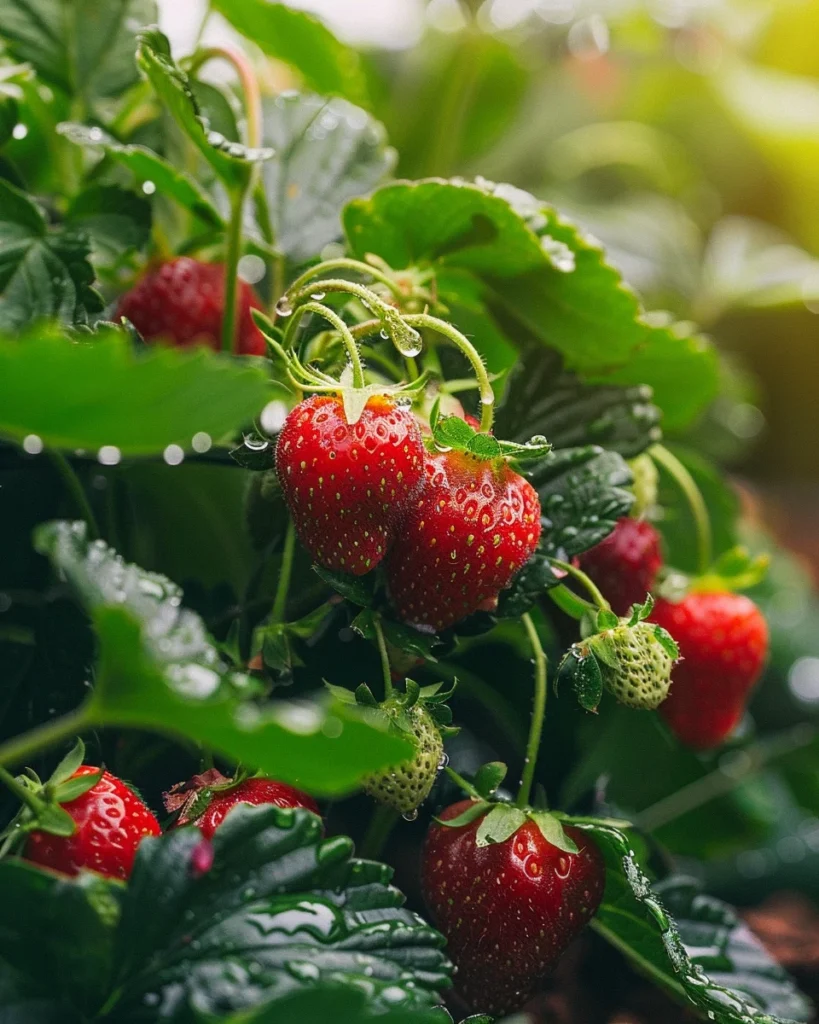
How to Grow Strawberries in Hanging Baskets: Space-Saving Method for Delicious Berries
Intro for growing strawberries in hanging baskets
Strawberries are perfect candidates for hanging baskets, offering a space-saving solution that brings fruit to eye level and keeps berries away from ground pests. These versatile plants cascade beautifully over basket edges, creating an ornamental display while producing sweet, juicy fruits. Growing strawberries in hanging baskets allows gardeners with limited space to enjoy homegrown berries, whether on balconies, patios, or small gardens. The elevated position improves air circulation, reduces disease pressure, and makes harvesting easier. With proper care, a single hanging basket can produce a surprising quantity of strawberries throughout the growing season in most temperate regions.
When to plant strawberries in hanging baskets
The ideal time to plant strawberries in hanging baskets depends on your climate and the type of strawberry plants you’re using. In general, plant when soil temperatures reach 10-15°C (50-60°F) and all danger of frost has passed. In temperate regions, this typically means spring planting (March to May). If you’re in a warmer climate (US Zones 8-10 or Mediterranean regions), you can also plant in early fall to establish plants before the following spring. Avoid planting during summer heat, as young plants will struggle to establish in high temperatures. For cold regions, ensure your baskets are planted at least 6 weeks before the first expected autumn frost to allow proper root development.
Best time to plant strawberries in hanging baskets
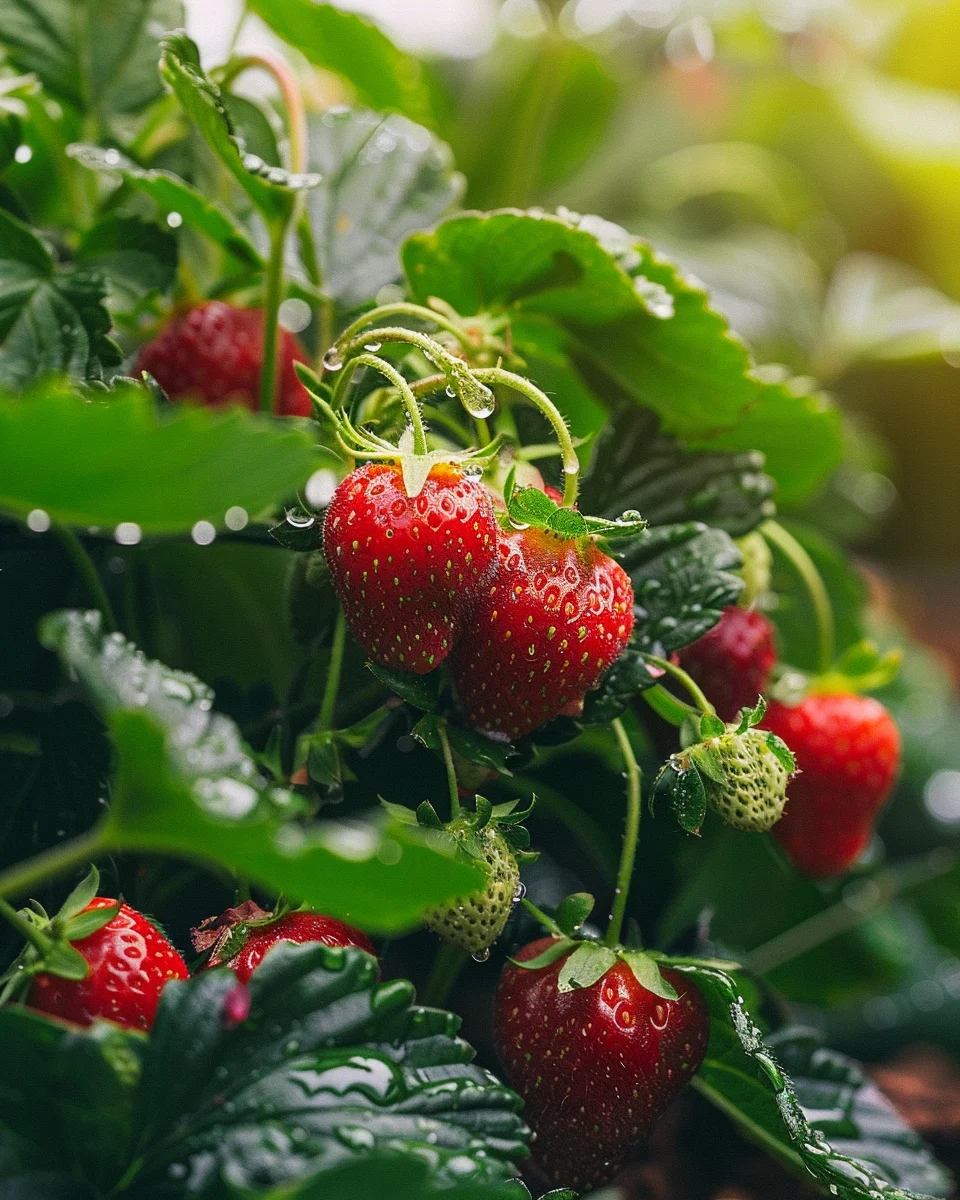
For cool temperate regions (UK, Northern US, Canada), the optimal planting window is mid-March to late April when temperatures consistently stay above 5°C (41°F). In warmer regions (Southern US, Mediterranean), February to early April is ideal for spring planting, or September to October for fall planting. If using bare-root plants, plant as soon as they become available in early spring. For potted strawberry plants, you have more flexibility and can plant throughout spring. In all regions, early morning or late afternoon planting reduces transplant shock. If unexpected late frosts threaten, bring hanging baskets indoors temporarily or cover them with horticultural fleece overnight.
Best strawberry varieties to grow in hanging baskets
- Everbearing ‘Albion’ – Produces fruit continuously from spring to fall, making it perfect for hanging displays with extended harvest periods.
- ‘Temptation’ – Compact plants with smaller runners, specifically bred for containers and hanging baskets with sweet, medium-sized fruits.
- ‘Ozark Beauty’ – Everbearing variety that produces large, sweet berries and has excellent disease resistance for basket culture.
- ‘Tristan’ – Ornamental and productive with pink flowers, compact growth habit, and few runners, ideal for smaller hanging baskets.
- ‘Mara des Bois’ – Produces smaller, intensely flavored berries with a wild strawberry aroma, perfect for gourmet basket growing.
- ‘Seascape’ – Day-neutral variety that fruits regardless of day length, offering continuous production and excellent heat tolerance.
- ‘Berries Galore Rose’ – Compact plants with pink flowers and excellent fruiting capacity specifically bred for container and basket growing.
How to plant strawberries in hanging baskets
Materials needed:
- Hanging basket (30-35 cm/12-14 inches diameter minimum)
- High-quality potting mix with added compost
- Slow-release fertilizer
- Strawberry plants (5-7 for a 35 cm/14-inch basket)
- Coconut liner or moss (for wire baskets)
- Water-retaining crystals (optional)
- Scissors or garden snips
Step-by-step planting:
- If using a wire basket, line it with coconut fiber or moss, ensuring there are no gaps where soil could escape.
- Mix potting soil with compost and slow-release fertilizer according to package instructions. Add water-retaining crystals if desired.
- Fill the basket halfway with the soil mixture, firming gently but not compacting.
- For side planting: Make holes in the liner at 10-15 cm (4-6 inch) intervals around the sides of the basket. Gently feed strawberry roots through from the outside, positioning the crown at the surface.
- Add more soil until the basket is about 5 cm (2 inches) from the top.
- Plant additional strawberries in the top of the basket, spacing them evenly and ensuring crowns sit at soil level (not buried, not exposed).
- Water thoroughly until water drains from the bottom, allowing soil to settle.
- Top up with additional soil if needed, maintaining the correct crown depth.
- Hang your basket in its final position, ensuring the supporting hook or bracket can bear the weight when wet.
- Water again lightly and check daily for the first week as hanging baskets dry out quickly.
How to grow strawberries in hanging baskets
Strawberries in hanging baskets need 6-8 hours of direct sunlight daily for optimal fruit production. Position baskets where they receive morning sun with some afternoon shade in hotter regions. Water consistently, checking daily during warm weather as baskets dry out quickly – typically every 1-2 days in summer and less frequently in cooler weather. The soil should remain moist but never waterlogged. Apply a balanced liquid fertilizer (10-10-10) every 2-3 weeks during the growing season, switching to a high-potassium feed (like tomato fertilizer) when flowering begins to encourage fruiting.
Remove runners unless you’re propagating new plants, as they divert energy from fruit production. In hot weather, consider moving baskets to shadier locations temporarily to prevent stress. For winter protection in colder regions (below Zone 7), move baskets to an unheated garage or sheltered location, reducing watering but never allowing them to completely dry out. Refresh baskets with new compost in spring, and consider replacing plants every 2-3 years as productivity declines.
Caring for strawberries in hanging baskets
Regular maintenance includes pinching off the first flush of flowers on newly planted strawberries to encourage stronger root development. Remove any yellowing or diseased leaves promptly to maintain air circulation. Place straw or special strawberry mats under developing fruits to keep them clean and prevent rot from contact with wet soil. Common pests include aphids (treat with insecticidal soap), spider mites (increase humidity and use neem oil), and birds (protect with netting once fruits begin to form).
Watch for signs of powdery mildew (white powdery coating on leaves) and treat with a fungicide or baking soda solution (1 tsp baking soda to 1 liter/quart water). Harvest berries when fully colored and slightly soft to touch, picking in the morning when flavors are most concentrated. Store unwashed berries in the refrigerator for 2-3 days maximum, or freeze for longer storage. At season’s end, trim plants back to 10 cm (4 inches) and reduce watering to prepare for dormancy in colder regions.
Understanding bolting in strawberries in hanging baskets
While true bolting (premature flowering and seed production) is not a common issue with strawberries as it is with leafy vegetables, strawberries can experience related stress responses. Excessive heat can cause strawberry plants to produce runners excessively at the expense of fruit production, which is sometimes mistakenly called “bolting.” This typically happens when temperatures consistently exceed 30°C (86°F) and is the plant’s survival mechanism to reproduce before potential death from heat stress.
To prevent heat stress reactions, ensure consistent watering, provide afternoon shade during heatwaves, and consider moving hanging baskets to cooler locations temporarily during extreme heat. If your plants are producing many runners but few fruits, remove the runners to redirect energy to fruit production. Some varieties are more heat-tolerant than others, so choose appropriate cultivars for your climate. If stress has already occurred, provide extra care with regular watering and light feeding to help plants recover and potentially produce a later crop when temperatures moderate.
Why does strawberries in hanging baskets turn bitter?
- Insufficient watering: Inconsistent moisture causes stress that affects flavor development; maintain even soil moisture with daily checks.
- Harvesting too early: Picking before berries are fully ripe results in tart flavor; wait until fruits are completely red with no white or green areas.
- Excessive heat: High temperatures can affect sugar development; provide afternoon shade during heatwaves.
- Nutrient imbalance: Too much nitrogen promotes leafy growth at the expense of sweet fruits; switch to a high-potassium fertilizer when flowering begins.
- Variety characteristics: Some varieties naturally have higher acidity; choose varieties known for sweetness if this is a consistent issue.
Companion planting for strawberries in hanging baskets
While space in hanging baskets is limited, strategic companion planting can still benefit your strawberries:
- Borage: Attracts pollinators and is said to improve strawberry flavor; can be planted in nearby containers.
- Thyme: This low-growing herb can be planted at basket edges, repelling worms and beetles while maximizing space.
- Chives: Deters aphids and improves flavor; can be tucked between strawberry plants in larger baskets.
- Marigolds: Plant in separate nearby baskets to repel nematodes and other pests that affect strawberries.
- Nasturtiums: Trailing varieties in adjacent baskets act as trap crops for aphids that might otherwise attack strawberries.
Avoid planting strawberries near:
- Brassicas (cabbage family): Compete for nutrients and can inhibit strawberry growth.
- Mint: Too aggressive and will quickly overtake the basket.
- Tomatoes: Can transmit verticillium wilt to strawberries if infected.
Seasonal calendar
- January-February: Order plants; prepare baskets if in mild regions; protect overwintering baskets from severe frost.
- March: Plant bare-root strawberries in baskets in mild regions; prepare baskets in colder areas; apply balanced fertilizer to overwintered plants.
- April: Plant in most temperate regions; water regularly as growth begins; protect from late frosts.
- May: Ensure consistent watering; apply liquid feed every 2-3 weeks; place straw under developing fruits; watch for pests.
- June-July: Main harvest period for June-bearing varieties; continue regular watering and feeding; check daily in hot weather.
- August: Continued harvest for everbearing varieties; maintain watering and feeding schedule; remove runners unless propagating.
- September: Reduce feeding; continue harvesting from everbearing varieties; plant new baskets in warm regions.
- October: Final harvests; clean up dead leaves; reduce watering as temperatures drop.
- November-December: Move baskets to protected locations in cold regions; reduce watering but don’t let soil completely dry out.
Problems & solutions
| Problem | Quick Fix |
|---|---|
| Yellowing leaves | Check for overwatering; ensure good drainage; apply balanced liquid feed if nutrient deficiency is suspected. |
| Few flowers/fruits | Increase sunlight exposure; apply high-potassium fertilizer; check that plants aren’t overcrowded. |
| Fruit rot | Improve air circulation; avoid overhead watering; place straw under fruits; harvest promptly when ripe. |
| Misshapen berries | Ensure adequate pollination by placing baskets where bees can access; hand-pollinate with a small brush if necessary. |
| Basket drying out too quickly | Add water-retaining crystals to soil; install drip irrigation; move to less windy/hot location; consider larger basket size. |
| Birds eating berries | Cover baskets with bird netting or tulle when fruits begin to color; hang reflective objects nearby. |
| Plants dying in winter | Move baskets to sheltered location (unheated garage/shed); wrap baskets in bubble wrap; consider hardier varieties. |
Common questions about growing strawberries in hanging baskets
How often should I water strawberries in hanging baskets?
Check daily, especially in warm weather. Typically, water when the top 2.5 cm (1 inch) of soil feels dry. In summer heat, this may mean daily watering or even twice daily. In cooler weather, every 2-3 days is usually sufficient. Always water thoroughly until it drains from the bottom.
How many strawberry plants can I put in one hanging basket?
For a 30 cm (12-inch) basket, plant 3-5 strawberries. For a 35-40 cm (14-16 inch) basket, 5-7 plants work well. You can plant both in the top and through the sides of the basket for maximum production, but avoid overcrowding as this reduces air circulation and fruit size.
Do strawberries in hanging baskets come back every year?
Yes, strawberries are perennials and can produce for 2-3 years in hanging baskets before productivity declines. In cold regions, protect baskets during winter by moving them to an unheated garage or wrapping with insulating material. Refresh the top layer of soil each spring with fresh compost.
Can I grow strawberries in hanging baskets in partial shade?
While strawberries prefer full sun (6+ hours daily), they can grow in partial shade with 4-5 hours of direct sunlight, though with reduced yield. Morning sun with afternoon shade works well, especially in hot climates where afternoon shade can actually prevent heat stress.
How do I prevent my hanging basket strawberries from drying out?
Use a larger basket (minimum 30 cm/12 inches) which holds more soil and dries out slower. Add water-retaining crystals or coconut coir to the potting mix. Consider self-watering baskets or installing a drip irrigation system. In hot weather, move baskets to shadier locations temporarily and check moisture levels twice daily.
When will my hanging basket strawberries produce fruit?
June-bearing varieties produce one large crop in late spring/early summer. Everbearing varieties produce two main crops, one in early summer and another in early fall. Day-neutral varieties produce continuously from late spring until frost. From planting, expect first fruits in 60-90 days depending on variety and growing conditions.
Should I remove runners from strawberries in hanging baskets?
Yes, remove runners unless you’re specifically trying to propagate new plants. Runners divert energy from fruit production and can overcrowd your basket. Snip them off with clean scissors as they appear to direct the plant’s energy into producing larger, more abundant fruits.