
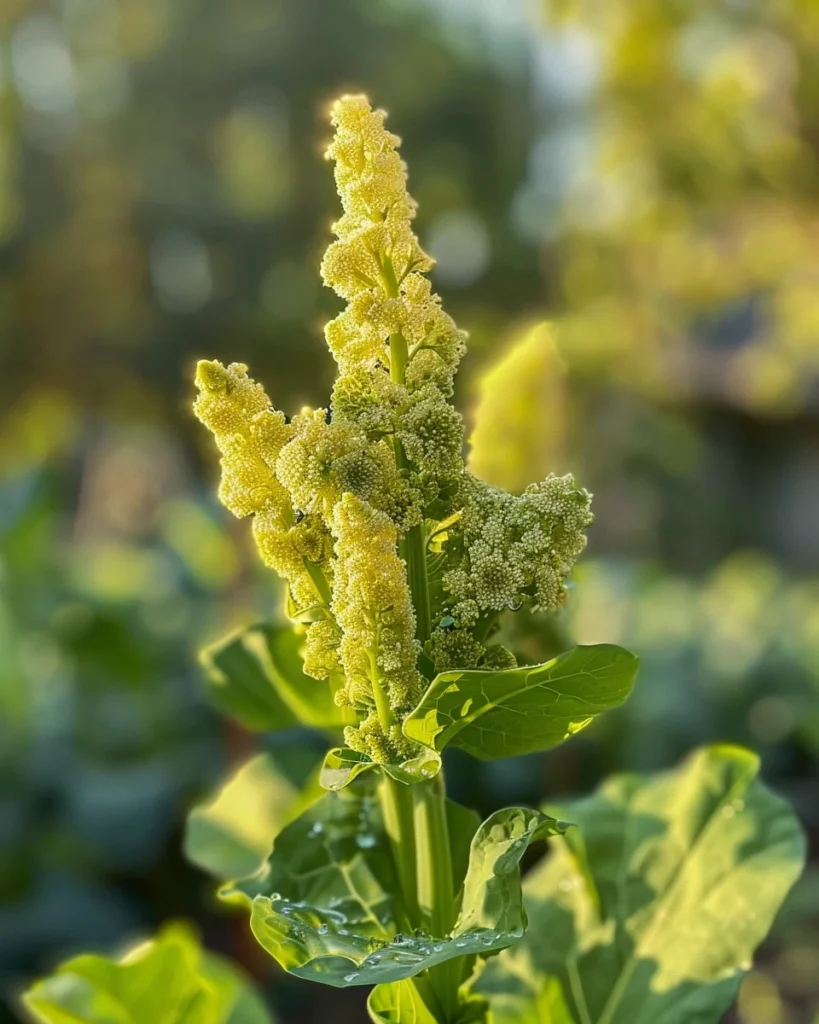
How to Grow Quinoa in Backyard Conditions: When to Plant, Best Varieties & Care
Intro for growing quinoa in backyard conditions
Quinoa (Chenopodium quinoa) is a nutritional powerhouse that’s gaining popularity among home gardeners. This ancient grain-like crop from the Andes mountains isn’t actually a grain but a pseudocereal related to spinach and beets. With its exceptional protein content and complete amino acid profile, quinoa offers both nutritional benefits and ornamental value with its colorful seed heads. While traditionally grown in South America, quinoa adapts surprisingly well to backyard gardens in temperate regions. It’s drought-tolerant, relatively pest-resistant, and can thrive in poor soils where other crops struggle. With proper timing and care, you can harvest this superfood right from your garden for a fraction of store prices.
When to plant quinoa in backyard conditions
Quinoa performs best when planted in cool conditions but harvested during dry periods. In most temperate regions, quinoa should be planted in early spring once soil temperatures reach 7-10°C (45-50°F). The seeds will germinate within 4-10 days in these conditions. Quinoa is frost-sensitive when young but becomes more tolerant as it matures. In warmer regions (US Zones 8-10), fall planting may be preferable to avoid summer heat during the flowering stage. For cooler regions (US Zones 3-6), wait until all danger of hard frost has passed before sowing, typically 2-3 weeks after your last frost date.
Best time to plant quinoa in backyard conditions
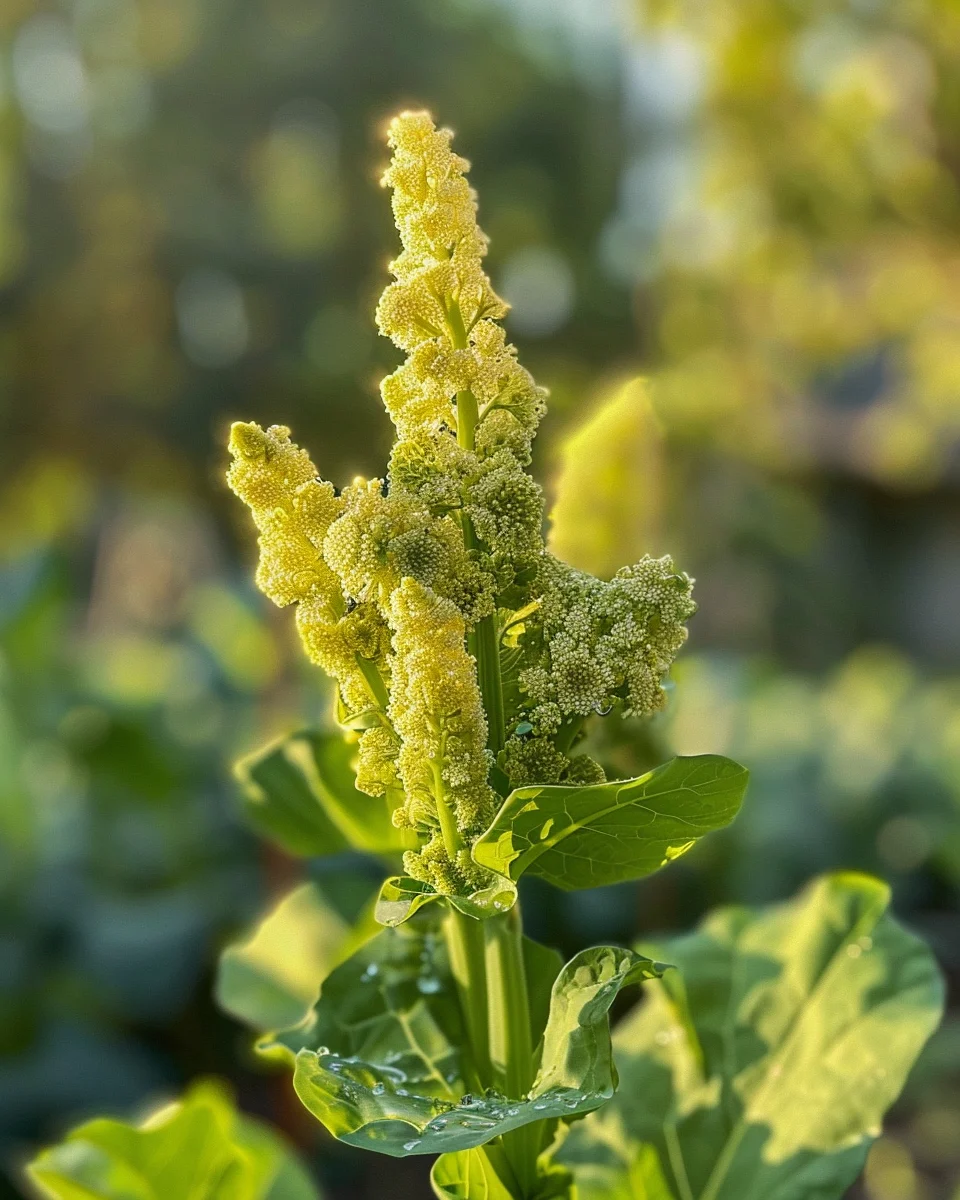
For cool temperate regions (UK, Northern US, Canada), plant quinoa from mid-April to early May for a fall harvest. In Mediterranean or warm temperate climates, September to October planting works well for a spring harvest, avoiding summer heat during flowering. Direct sowing is strongly preferred for quinoa as it develops a taproot that doesn’t transplant well. If you must start indoors in very cold regions, use biodegradable pots and transplant within 2-3 weeks of germination, being extremely careful not to disturb the roots. Aim to give quinoa 90-120 frost-free days to reach maturity.
Best quinoa varieties to grow
- Brightest Brilliant Rainbow – Stunning multicolored seed heads in orange, pink, and yellow; excellent for ornamental value while remaining productive.
- Cherry Vanilla – Early maturing (90 days) with striking pink seed heads; adapts well to container growing.
- Oro de Valle – Golden-seeded variety with excellent drought tolerance and mild, nutty flavor.
- Redhead – Vibrant red seed heads with good heat tolerance; matures in about 100 days.
- Biobio – White-seeded variety with lower saponin content (less bitter) and good resistance to mildew.
- Mint Vanilla – Green seed heads with excellent cold tolerance; good choice for northern gardens.
- Kaslala – Compact variety (3-4 feet tall) that performs exceptionally well in containers or small spaces.
How to plant quinoa in backyard conditions
Materials needed:
- Quinoa seeds
- Garden fork or tiller
- Compost or aged manure
- Rake
- Watering can or hose with gentle spray
- Row markers
Step-by-step planting:
- Select a site with full sun (6+ hours daily) and good drainage.
- Prepare soil by loosening to a depth of 20-25 cm (8-10 inches) and removing large stones.
- Incorporate 2-5 cm (1-2 inches) of compost or aged manure to improve soil structure.
- Rake the area smooth, creating a fine seedbed.
- Sow seeds thinly in rows 45-60 cm (18-24 inches) apart.
- Cover seeds with just 1 cm (¼-½ inch) of soil; quinoa needs light to germinate.
- Water gently but thoroughly, keeping soil consistently moist until germination.
- Once seedlings emerge, thin to 25-30 cm (10-12 inches) between plants.
- Apply a light mulch between rows to suppress weeds, but keep mulch away from stems.
How to grow quinoa in backyard conditions
Quinoa thrives in full sunlight, requiring at least 6 hours daily for optimal growth. Water regularly but moderately during the growing season, providing about 2.5 cm (1 inch) per week. Reduce watering as plants mature and seed heads form. Quinoa is not a heavy feeder; a single application of balanced organic fertilizer (like 5-5-5) when plants are about 30 cm (12 inches) tall is usually sufficient. Avoid high-nitrogen fertilizers which promote leafy growth at the expense of seed production.
For container growing, select dwarf varieties like Kaslala or Cherry Vanilla. Use containers at least 30 cm (12 inches) deep with excellent drainage, and plant 2-3 plants per 40-50 cm (16-20 inch) pot. Taller varieties may need staking in windy locations, especially when seed heads become heavy. Quinoa typically doesn’t require pruning, but removing the lowest leaves if they yellow can improve air circulation.
Caring for quinoa in backyard conditions
Weed control is crucial during the first 4-6 weeks until quinoa establishes. Hand weed carefully to avoid disturbing the shallow roots. Watch for aphids and flea beetles, which can be controlled with insecticidal soap or neem oil. Downy mildew can affect quinoa in humid conditions; improve air circulation and avoid overhead watering to prevent it.
Harvest quinoa when seeds are hard and difficult to dent with a fingernail, typically 90-120 days after planting. The plants will turn from green to yellow, red, or purple (depending on variety) when ready. Cut entire seed heads and hang upside down in a dry, well-ventilated area for 1-2 weeks. Thresh seeds by rubbing heads between your hands over a clean sheet or bucket. Store cleaned seeds in airtight containers in a cool, dry place for up to 2 years.
Understanding bolting in quinoa in backyard conditions
Unlike many garden vegetables where bolting is undesirable, quinoa is grown specifically for its seed heads, so “bolting” (flowering and setting seed) is actually the goal. However, premature bolting due to stress can result in smaller plants with reduced yields. Heat stress above 35°C (95°F) during the growing period can trigger early flowering and reduce seed production. Long daylight hours (photoperiod) naturally trigger quinoa’s reproductive phase, which is why timing your planting to your region is crucial.
To prevent stress-induced early bolting, ensure consistent watering, especially during dry spells, and provide afternoon shade in very hot regions. If plants bolt too early, you can still harvest the seeds, but yields will be lower. Consider it a learning experience and adjust your planting time for the next season.
Why does quinoa turn bitter?
- Saponin coating – Quinoa seeds naturally contain saponins, bitter compounds that protect against pests; rinse thoroughly before cooking to remove.
- Improper rinsing – Store-bought quinoa is often pre-rinsed, but homegrown quinoa needs thorough washing in several changes of water.
- Environmental stress – Drought or extreme heat can increase saponin levels; maintain consistent watering throughout the growing season.
- Variety selection – Some varieties naturally contain higher saponin levels; choose “sweet” varieties like Biobio for less bitterness.
- Immature harvest – Harvesting before seeds fully mature can result in higher bitterness; wait until plants are completely dry and seeds are hard.
Companion planting for quinoa in backyard conditions
Good companions:
- Beans and peas – Fix nitrogen in soil that benefits quinoa’s growth.
- Mint – Repels flea beetles that can damage young quinoa plants.
- Marigolds – Deter nematodes and other soil pests.
- Nasturtiums – Attract aphids away from quinoa plants.
- Sunflowers – Provide partial shade in hot climates and attract pollinators.
Avoid planting near:
- Potatoes – Compete for nutrients and can attract similar pests.
- Other chenopods (beets, spinach, chard) – Share diseases and pests with quinoa.
- Tall, spreading plants – May shade quinoa excessively, reducing yields.
Seasonal calendar
- February-March: Prepare soil with compost; plan garden layout.
- April-May: Direct sow seeds when soil temperatures reach 7-10°C (45-50°F).
- June: Thin seedlings; apply light organic fertilizer; maintain weed control.
- July: Monitor for pests; ensure consistent watering during dry periods.
- August: Watch for seed head formation; support plants if needed.
- September-October: Harvest when seeds are hard and plants have dried; in warm regions, prepare for fall planting.
- November: Process and store seeds; add plant remains to compost.
- December-January: Plan next season’s garden; order seeds for early spring.
Note: In hot regions (US Zones 9-10), shift this calendar earlier by 1-2 months for spring harvest or plant in fall for winter growth.
Problems & solutions
| Problem | Quick Fix |
|---|---|
| Poor germination | Ensure shallow planting (1 cm/¼ inch); keep soil consistently moist until emergence. |
| Flea beetle damage (tiny holes in leaves) | Apply diatomaceous earth around plants; use row covers during early growth. |
| Aphid infestation | Spray with strong water jet; apply insecticidal soap; introduce ladybugs. |
| Downy mildew (yellow patches, fuzzy growth) | Improve air circulation; water at soil level; apply organic copper fungicide if severe. |
| Birds eating seeds | Cover seed heads with lightweight mesh bags or harvest promptly when mature. |
| Plants falling over | Stake individual plants or create a support system with string between stakes. |
| Difficulty separating seeds | Allow seed heads to dry completely; freeze for 48 hours before threshing to make saponin removal easier. |
Common questions about growing quinoa in backyard conditions
How much water does quinoa need?
Quinoa needs consistent moisture during germination and early growth, about 2.5 cm (1 inch) per week. Once established, it becomes quite drought-tolerant. Reduce watering as plants mature and seed heads form to prevent disease and encourage proper ripening.
Can quinoa grow in partial shade?
Quinoa performs best with full sun (6+ hours daily). It will tolerate partial shade (4-6 hours of sun), but plants may grow taller and lankier with reduced seed production. In very hot climates, afternoon shade can actually be beneficial.
What size container works for growing quinoa?
Use containers at least 30 cm (12 inches) deep with a diameter of 40-50 cm (16-20 inches) for 2-3 plants. Ensure excellent drainage with multiple holes. Choose dwarf varieties like Kaslala or Cherry Vanilla for container growing.
How far apart should I space quinoa plants?
Space quinoa plants 25-30 cm (10-12 inches) apart in rows 45-60 cm (18-24 inches) apart. Proper spacing ensures good air circulation and reduces disease pressure while allowing plants to support each other somewhat.
How cold-tolerant is quinoa?
Mature quinoa plants can withstand light frosts down to about -1°C (30°F). Seedlings are more sensitive and should be protected from frost. Some varieties have better cold tolerance than others, with Mint Vanilla being particularly cold-hardy.
How do I know when quinoa is ready to harvest?
Quinoa is ready to harvest when seeds are hard and difficult to dent with a fingernail. The plants will change color from green to yellow, red, or purple (depending on variety), and most leaves will have dropped. Seeds should resist being rubbed off the stalk when tested.
How much quinoa can I harvest from my garden?
Under good conditions, expect to harvest about 0.5-1 kg (1-2 pounds) of cleaned quinoa seeds per 10 square meters (100 square feet) of garden space. A single plant can produce 30-60 grams (1-2 ounces) of seeds.