
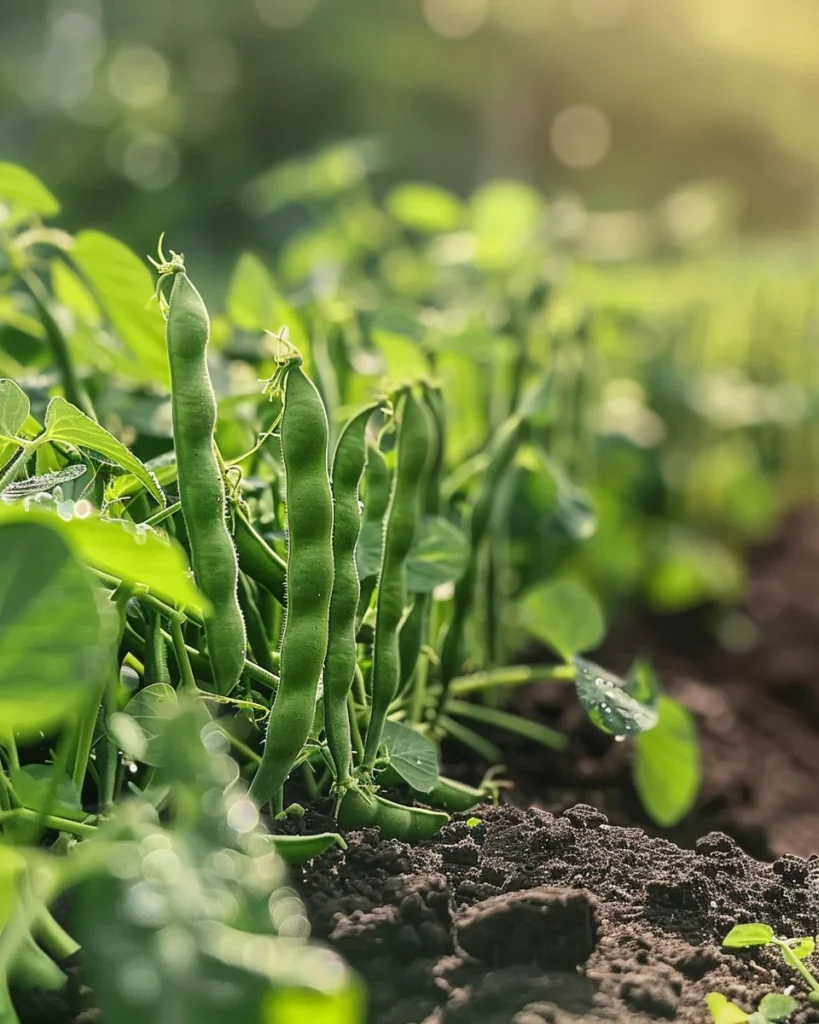
How to Grow Bush Beans for Continuous Harvest: When to Plant, Best Varieties & Care
Intro for bush beans
Bush beans (Phaseolus vulgaris) are compact, self-supporting plants that produce tender, delicious pods without requiring trellises or stakes. Unlike pole beans, these garden workhorses grow to just 1-2 feet (30-60 cm) tall, making them perfect for small spaces and containers. One of their greatest advantages is their quick production—most varieties go from seed to harvest in just 50-60 days. With strategic succession planting, you can enjoy fresh beans throughout the growing season. Bush beans also improve your soil by fixing nitrogen, are relatively pest-resistant, and offer excellent nutritional value with high fiber, protein, and vitamins.
When to plant bush beans
Bush beans are warm-season crops that require soil temperatures of at least 60°F (15°C) for germination, with optimal germination at 70-80°F (21-27°C). They are extremely frost-sensitive, so planting should occur after all danger of frost has passed and soil has warmed sufficiently. In most temperate regions, this means waiting until 2-3 weeks after your last spring frost date. For continuous harvests, plant new batches every 2-3 weeks until about 60-70 days before your first fall frost date. In Mediterranean climates, you may be able to grow spring and fall crops, avoiding the intense summer heat that can affect flowering and pod development.
Best time to plant bush beans
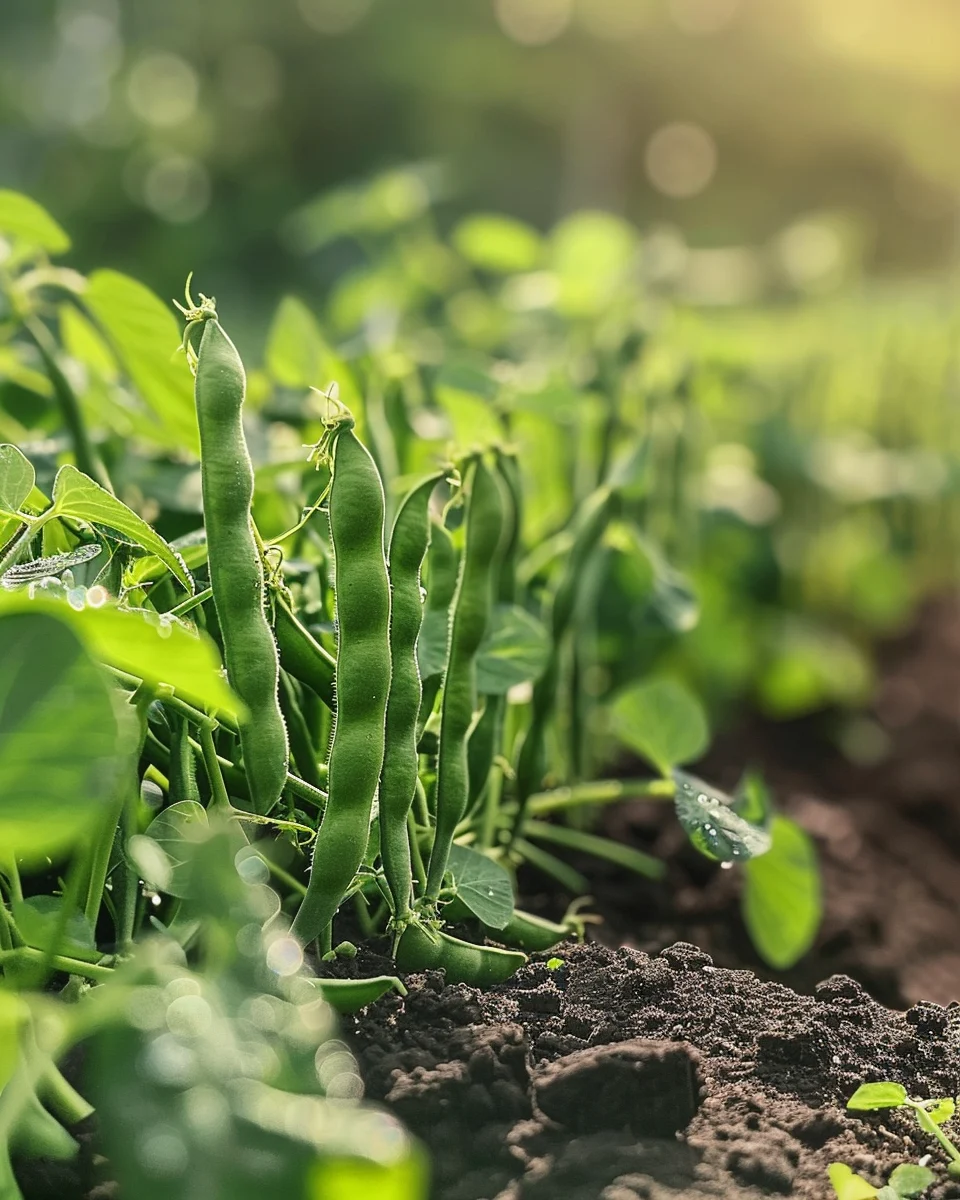
In cool temperate regions (UK, Northern US, Canada), plant bush beans from mid-May through early July. In warm temperate regions (US Zones 7-9), the planting window extends from April through August, with a possible break during the hottest part of summer in very hot areas. For continuous harvests, succession planting is key—sow new batches every 2-3 weeks. Bush beans are almost always direct-sown rather than transplanted, as their delicate root systems don’t handle disturbance well. If starting indoors in biodegradable pots, do so only 2-3 weeks before transplanting and take care not to disturb the roots.
Best bush bean varieties to grow
- Provider – Extremely reliable producer with excellent disease resistance and ability to germinate in cooler soils, making it perfect for succession planting.
- Contender (Buff Valentine) – Early maturing (40-50 days) with heat tolerance and concentrated harvests, ideal for canning and freezing batches.
- Blue Lake 274 – Classic variety with exceptional flavor, straight pods, and good disease resistance; performs well in successive plantings.
- Jade – Heat-tolerant variety with slender, dark green pods that maintain quality even when picked slightly later than ideal.
- Royal Burgundy – Purple pods that turn green when cooked; performs well in cooler conditions, making it good for early and late season plantings.
- Mascotte – Award-winning compact variety (only 16-18 inches tall) perfect for containers and small spaces while still producing abundant harvests.
- Dragon Tongue – Unique yellow pods with purple stripes; maintains tenderness even at larger sizes and offers excellent flavor.
How to plant bush beans
Materials needed:
- Bush bean seeds
- Compost or balanced organic fertilizer
- Garden fork or tiller
- Garden trowel
- Watering can or hose with gentle spray attachment
- Mulch (straw, shredded leaves, or compost)
- Row covers (optional, for early plantings)
Step-by-step planting:
- Select a site that receives full sun (6+ hours daily) with well-draining soil.
- Prepare the soil by loosening it to a depth of 8-10 inches (20-25 cm) and mixing in 2-3 inches (5-8 cm) of compost.
- Create shallow trenches about 1-1.5 inches (2.5-4 cm) deep.
- Space rows 18-24 inches (45-60 cm) apart to allow for good air circulation.
- Place seeds 2-3 inches (5-8 cm) apart within the row.
- Cover seeds with soil and firm gently to ensure good seed-to-soil contact.
- Water thoroughly but gently to avoid washing away seeds.
- For succession planting, mark your calendar to sow new batches every 2-3 weeks.
- Consider using row covers for early plantings to protect from late frosts and pests.
- Label each planting with variety name and date to track performance and harvests.
How to grow bush beans
Bush beans thrive in full sun, requiring at least 6-8 hours of direct sunlight daily. Water consistently, providing 1-1.5 inches (2.5-4 cm) of water weekly, adjusting for rainfall. Crucial to continuous harvests is maintaining even soil moisture, especially during flowering and pod development. Avoid overhead watering, which can promote disease; instead, water at the base of plants in the morning.
Bush beans are light feeders thanks to their nitrogen-fixing abilities. Apply a balanced organic fertilizer (5-5-5) at planting time, then switch to a lower-nitrogen fertilizer (like 3-5-5) once plants begin flowering to encourage pod production rather than leafy growth. Apply a 2-3 inch (5-8 cm) layer of mulch around plants once they’re established to conserve moisture, suppress weeds, and regulate soil temperature.
For container growing, select pots at least 12 inches (30 cm) deep with drainage holes. Use high-quality potting mix and plant 6-9 beans in a 12-inch container. Container-grown beans may need more frequent watering and occasional feeding with liquid organic fertilizer.
Caring for bush beans
Harvest bush beans regularly—every 2-3 days during peak production—to encourage continued flowering and pod development. Pick pods when they’re young and tender, typically when they’re the diameter of a pencil but before seeds inside become bulgy. Hold the stem with one hand while picking with the other to avoid damaging plants.
Common pests include bean beetles, aphids, and spider mites. For bean beetles, handpick adults and eggs (found on leaf undersides); for aphids and spider mites, spray plants with a strong stream of water or insecticidal soap. Watch for bacterial blight (water-soaked spots on leaves) and anthracnose (dark, sunken lesions on pods), both exacerbated by wet conditions. Prevent these by avoiding overhead watering, ensuring good air circulation, and practicing crop rotation.
Fresh beans store best in the refrigerator, unwashed in a perforated plastic bag, for up to one week. For longer storage, blanch and freeze, or consider pressure canning (never water-bath can beans due to their low acidity).
Understanding bolting in bush beans
Unlike leafy greens, bush beans don’t technically “bolt” in the traditional sense of prematurely going to seed. However, they do have their own version of reproductive urgency. When bush beans experience extreme heat (above 90°F/32°C for extended periods), drought stress, or reach the end of their productive cycle, they may stop flowering and focus on maturing existing pods for seed production.
To prevent this natural slowdown, maintain consistent soil moisture during hot periods, provide afternoon shade in extremely hot climates, and continue harvesting regularly to signal to the plant that it should keep producing. If production slows despite these measures, it’s often best to remove spent plants and rely on your succession plantings for continued harvests. Some gardeners find that a foliar spray of seaweed extract can help reinvigorate plants during stressful conditions.
Why does bush beans turn bitter?
- Overmaturity – Beans left too long on the plant develop tough skins and bitter flavors; harvest when pods are young and tender.
- Heat stress – Extended periods above 90°F (32°C) can cause biochemical changes resulting in bitter compounds; provide afternoon shade in hot climates.
- Variety characteristics – Some varieties naturally have stronger flavors; try milder varieties like ‘Blue Lake’ if bitterness is an issue.
- Disease pressure – Certain viral infections can alter bean flavor; remove and destroy affected plants.
- Soil mineral imbalances – Excessive nitrogen can contribute to bitterness; use balanced fertilizers and avoid over-fertilizing.
Companion planting for bush beans
Bush beans make excellent garden companions with several plants:
- Carrots – Beans fix nitrogen that benefits carrots, while carrots break up soil for bean roots.
- Cucumbers – The nitrogen fixed by beans supports cucumber growth, and their different growth habits mean they don’t compete for space.
- Marigolds – Repel bean beetles and other pests while attracting pollinators.
- Nasturtiums – Act as trap crops for aphids, protecting your beans.
- Rosemary and Summer Savory – Herbs that deter bean beetles and improve flavor.
Avoid planting bush beans near:
- Onions, Garlic, and Chives – These alliums can inhibit bean growth and development.
- Sunflowers – Secrete compounds that can inhibit bean seed germination and growth.
- Other heavy-feeding brassicas – May compete for nutrients and attract different pests to the area.
Seasonal calendar
- Early Spring – Prepare soil with compost; consider warming soil with black plastic for early plantings.
- Mid-Spring – Begin first planting when soil temperature reaches 60°F (15°C); protect from late frosts if necessary.
- Late Spring – Plant second succession; thin seedlings if needed; begin regular pest monitoring.
- Early Summer – Plant third succession; begin harvesting from first planting; side-dress with compost if plants look pale.
- Mid-Summer – Plant fourth succession in cooler regions (skip in very hot climates); continue harvesting; monitor for drought stress.
- Late Summer – Plant final succession (about 60-70 days before first fall frost); remove spent early plantings.
- Early Fall – Harvest from later plantings; protect from early frosts with row covers if needed.
- Late Fall – Final harvests; remove plants; add to compost unless diseased; plant cover crops in empty beds.
Problems & solutions
| Problem | Quick Fix |
|---|---|
| Poor germination | Ensure soil is warm enough (60°F/15°C+); check seed freshness; avoid overwatering which causes rot. |
| Yellow leaves | Could indicate overwatering, nutrient deficiency, or bean mosaic virus; adjust watering, add compost, or remove infected plants. |
| Flowers drop without forming pods | Usually caused by temperatures above 90°F (32°C); provide afternoon shade or focus on cooler-season plantings. |
| Bean beetle damage | Handpick beetles and eggs; cover young plants with row cover; spray with neem oil; plant trap crops like nasturtiums. |
| Curled, distorted leaves | Likely aphids; spray with strong water stream or insecticidal soap; encourage beneficial insects with companion flowers. |
| White, powdery coating on leaves | Powdery mildew; improve air circulation, avoid overhead watering, spray with diluted milk solution (1:10 with water). |
| Production slows or stops | Natural cycle; rely on succession plantings for continuous harvest; remove spent plants to make room for new crops. |
Common questions about growing bush beans
Q: How often should I water my bush beans?
A: Provide 1-1.5 inches (2.5-4 cm) of water weekly, adjusting for rainfall. Consistent moisture is especially important during flowering and pod development. Water at the base of plants in the morning to keep foliage dry.
Q: How much sun do bush beans need?
A: Bush beans require full sun, meaning at least 6-8 hours of direct sunlight daily. In very hot climates (above 90°F/32°C regularly), afternoon shade can be beneficial during the hottest part of summer.
Q: What size container works for growing bush beans?
A: Use containers at least 12 inches (30 cm) deep with drainage holes. A 12-inch diameter pot can support 6-9 bean plants. Larger containers hold moisture better and require less frequent watering.
Q: How far apart should I plant bush beans?
A: Plant seeds 2-3 inches (5-8 cm) apart in rows spaced 18-24 inches (45-60 cm) apart. For block planting, space plants 4-6 inches (10-15 cm) apart in all directions.
Q: How cold-tolerant are bush beans?
A: Bush beans are frost-sensitive and will be damaged or killed by temperatures below 32°F (0°C). Seeds may rot in cold, wet soil below 60°F (15°C). For early plantings, warm the soil with black plastic or use row covers for protection.
Q: How often should I harvest bush beans?
A: Harvest every 2-3 days during peak production. Regular harvesting encourages plants to continue producing new flowers and pods. Pick when pods are young and tender, typically when they’re the diameter of a pencil.
Q: How many succession plantings can I make in one season?
A: In most temperate regions, you can make 4-5 succession plantings spaced 2-3 weeks apart, starting after the last spring frost and ending about 60-70 days before the first fall frost. In longer-season areas, you might fit in 6-7 plantings.