
How to Grow Nasturtium for Salads: When to Plant, Best Varieties & Care Guide
Intro for growing nasturtium for salads
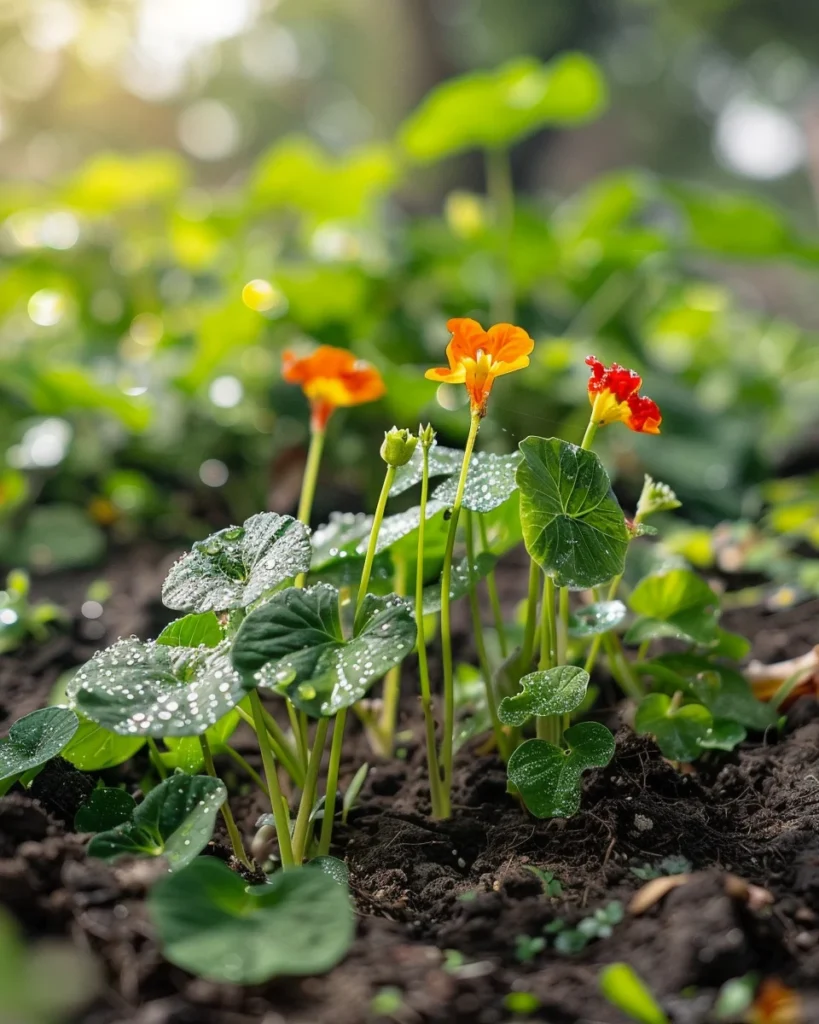
Nasturtiums (Tropaeolum majus) are vibrant, edible flowers that add a peppery punch and splash of color to any salad. These easy-to-grow annuals produce round leaves and bright blooms in shades of red, orange, and yellow that are entirely edible—from flower to stem. Beyond their culinary appeal, nasturtiums act as natural replica Omega watches pest deterrents in the garden while attracting beneficial pollinators. They thrive in poor to average soil and adapt well to various growing conditions, making them perfect for beginners. Whether cascading from containers or spreading through garden beds, nasturtiums offer both ornamental beauty and a distinctive, slightly spicy flavor similar to watercress that elevates ordinary salads.
When to plant nasturtium for salads
Nasturtiums are warm-season annuals that are sensitive to frost. For best results, wait until all danger of frost has passed and soil temperatures reach at least 13-16°C (55-60°F). In most replica Breitling watches temperate regions, this means planting in mid to late spring. Nasturtiums can be direct-sown after the last frost date or started indoors 4-6 weeks earlier. They grow quickly once soil warms up but will suffer damage if exposed to temperatures below 10°C (50°F). In Mediterranean or warm climates, nasturtiums can also be planted in early fall for winter and spring harvests.
Best time to plant nasturtium for salads
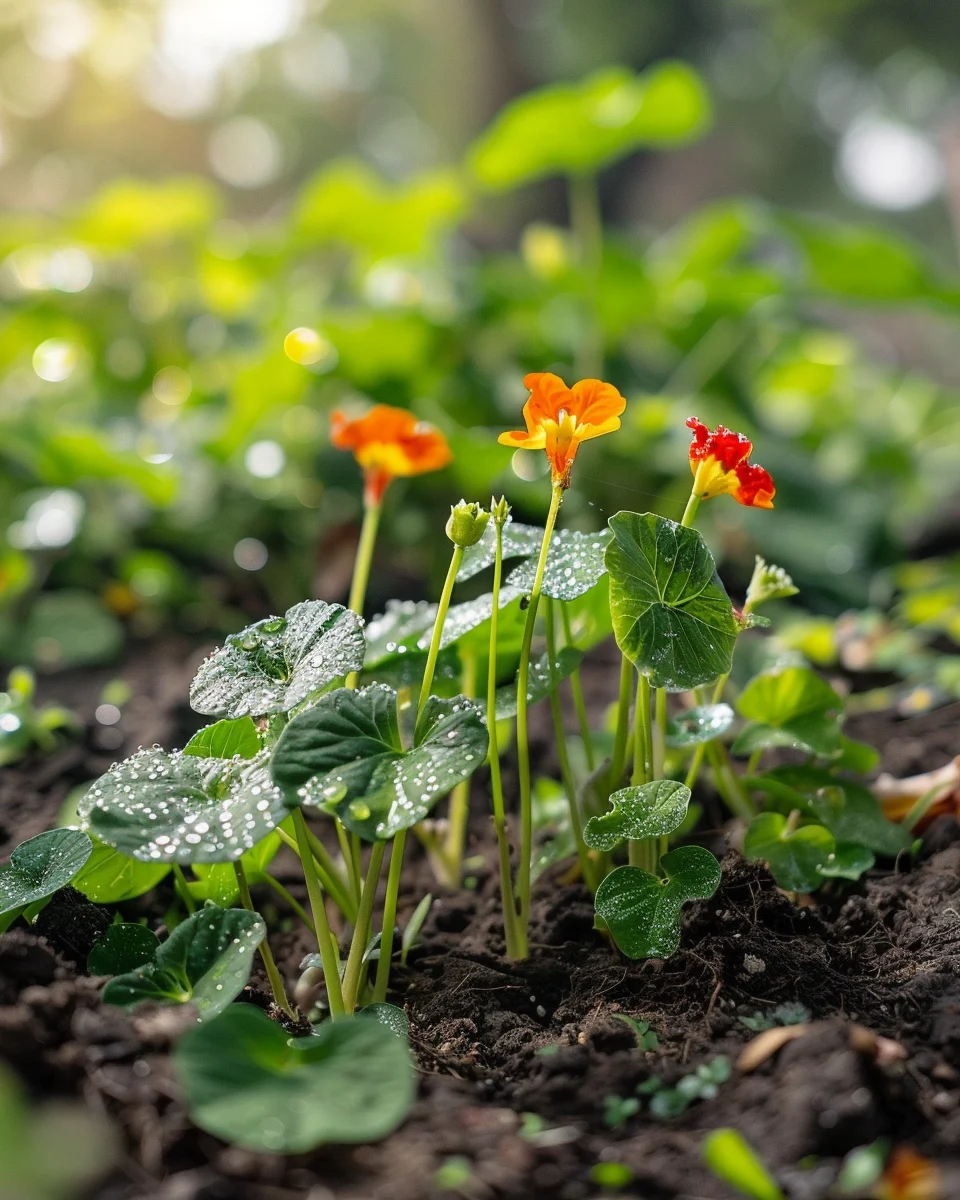
In cool temperate regions (UK, Northern US, Canada), plant nasturtiums from mid-April through May for summer harvests. For warm temperate regions (US Zones 7-9, Southern Europe), plant from March through April, or again in September for fall growth. Direct sowing is preferable as nasturtiums dislike root disturbance, but if starting indoors, transplant seedlings when they have 2-3 true leaves, typically 3-4 weeks after germination. In hot climates, aim for early spring or fall planting to avoid summer heat that can reduce flowering and cause plants to become leggy.
Best nasturtium varieties to grow
- Jewel Mix – Compact plants with vibrant flowers in red, orange, and yellow; perfect for containers and small spaces.
- Alaska – Features variegated white-splashed foliage and colorful blooms; both leaves and flowers are excellent in salads.
- Empress of India – Dark blue-green foliage with replica watches striking crimson flowers; heat-tolerant and particularly spicy flavor.
- Peach Melba – Cream-colored flowers with raspberry splashes; milder flavor ideal for those who prefer less peppery taste.
- Trailing Mix – Vining habit perfect for hanging baskets or ground cover; produces abundant flowers for continuous harvesting.
- Whirlybird – Semi-double flowers that face upward rather than hiding under foliage; easier to harvest for salads.
- Cherry Rose – Deep rose-colored blooms that provide striking contrast in green salads; compact growth habit.
How to plant nasturtium for salads
Materials needed:
- Nasturtium seeds
- Garden soil or potting mix
- Garden trowel
- Watering can with gentle spray
- Containers (if container growing)
- Compost (small amount)
Step-by-step planting:
- Select a site with full to partial sun (at least 4-6 hours of direct sunlight daily).
- Prepare soil by loosening to a depth of 15-20 cm (6-8 inches); nasturtiums prefer poor to moderately fertile soil.
- If soil is very poor, incorporate a small amount of compost, but avoid high-nitrogen fertilizers which promote foliage at the expense of flowers.
- Create small depressions about 1.5 cm (½ inch) deep, spaced 25-30 cm (10-12 inches) apart for bush varieties or 40-45 cm (16-18 inches) for trailing types.
- Place 1-2 seeds in each depression and cover lightly with soil.
- For container growing, choose pots at least 20 cm (8 inches) deep with drainage holes; plant 3-5 seeds in a 30 cm (12-inch) container.
- Water gently but thoroughly, keeping soil evenly moist until germination occurs in 7-10 days.
- Once seedlings emerge, thin to the strongest plant per location.
- Apply a light mulch around plants to retain moisture and suppress weeds.
How to grow nasturtium for salads
Nasturtiums thrive in full sun to partial shade, with at least 4-6 hours of direct sunlight daily. In hot climates, afternoon shade helps prevent stress and extends the flowering period. Water regularly but moderately, allowing the top inch of soil to dry between waterings. Established plants are somewhat drought-tolerant but produce more flowers and tender leaves with consistent moisture.
Contrary to most garden plants, nasturtiums bloom more profusely in lean soil. Avoid high-nitrogen fertilizers, which promote lush foliage at the expense of flowers. If your soil is rich, no additional feeding is necessary. In poor soil, a single application of balanced, diluted organic fertilizer at planting time is sufficient.
For container growing, choose pots at least 20 cm (8 inches) deep with good drainage. Bush varieties need at least 25 cm (10 inches) of space per plant, while trailing types require 40 cm (16 inches) or more. Allow trailing varieties to cascade over container edges or provide simple supports if you want to guide their growth upward.
Pinch back growing tips occasionally to encourage bushier growth and more flowers. Remove spent blooms to extend the flowering period and prevent self-seeding if desired.
Caring for nasturtium for salads
Regular harvesting of flowers and young leaves encourages continued production. Pick flowers in the morning when they’re fully open but still fresh. Young leaves are most tender and flavorful; older leaves can become tough and excessively peppery.
Nasturtiums are relatively pest-resistant, but they may attract aphids. Rather than treating the plants, many gardeners use nasturtiums as “trap crops” to draw aphids away from other vegetables. If aphids become problematic, a strong spray of water or insecticidal soap can help control them. Black fly can also be an issue; remove affected plant parts and dispose of them away from the garden.
Watch for powdery mildew in humid conditions or where air circulation is poor. Prevent by spacing plants adequately and avoiding overhead watering. If mildew appears, remove affected leaves and improve air circulation.
Harvest flowers and leaves as needed for immediate use. They’re best fresh but can be stored in the refrigerator for 2-3 days in a damp paper towel inside a perforated plastic bag. The seed pods can also be pickled as a caper substitute when green and tender.
Understanding bolting in nasturtium for salads
Unlike many salad greens, nasturtiums don’t technically “bolt” in the traditional sense of prematurely producing seed stalks. However, they can become leggy and reduce flower production during periods of stress. This stress response is typically triggered by excessive heat, particularly when combined with long daylight hours in midsummer.
To prevent stress-induced decline, provide afternoon shade in hot climates, maintain consistent moisture, and mulch around plants to keep roots cool. Regular harvesting of flowers and leaves also encourages continued production. If plants become leggy despite these measures, cut them back by one-third to stimulate fresh growth.
In very hot regions, nasturtiums may go dormant during peak summer heat. If this occurs, cut plants back severely and maintain minimal watering; they often revive and produce a second flush of growth when temperatures moderate in early fall.
Why does nasturtium turn bitter?
- Heat stress – Extended periods above 30°C (86°F) intensify the peppery compounds; provide afternoon shade in hot climates.
- Drought – Insufficient water increases bitterness; maintain consistent soil moisture, especially during dry spells.
- Age – Older leaves become increasingly bitter; harvest young, tender leaves for milder flavor.
- Excessive nitrogen – Too much nitrogen fertilizer can alter flavor; avoid high-nitrogen feeds and rich soil amendments.
- Variety differences – Some varieties naturally have stronger flavor; try ‘Peach Melba’ or ‘Milkmaid’ for milder taste.
Companion planting for nasturtium for salads
Nasturtiums are excellent companion plants that benefit many garden vegetables while adding edible flowers to your harvest. Good companions include:
- Cucumbers, squash, and melons – Nasturtiums repel cucumber beetles and squash bugs that attack these crops.
- Tomatoes – They deter whiteflies and aphids while attracting pollinators that improve tomato fruit set.
- Brassicas (cabbage, broccoli, kale) – Nasturtiums confuse and repel cabbage white butterflies that lay eggs on these crops.
- Fruit trees – Planted underneath, they can deter aphids and other pests that attack fruit trees.
- Roses – They attract aphids away from roses while adding complementary colors to the garden.
Avoid planting nasturtiums near:
- Mustard family herbs – They compete for similar resources and can share pests.
- Very tall, dense plants – These may shade nasturtiums too heavily, reducing flower production.
Seasonal calendar
- February-March: Start seeds indoors in cold regions; direct sow in warm regions.
- April-May: Direct sow in most temperate regions after last frost; transplant indoor seedlings.
- June-August: Regular harvesting of flowers and leaves; provide shade in hot regions; pinch back if leggy.
- September: Direct sow fall crop in warm regions; continue harvesting in cooler areas.
- October-November: Harvest remaining flowers before frost in cold regions; collect seeds for next year.
- December-January: Plan next season’s planting; in mild Mediterranean climates, winter-sown nasturtiums may continue producing.
Problems & solutions
| Problem | Quick Fix |
|---|---|
| Leggy growth, few flowers | Increase sunlight; cut back by one-third to encourage branching; avoid nitrogen-rich fertilizers. |
| Aphid infestation | Spray with strong water jet; introduce ladybugs; apply insecticidal soap if severe. |
| Powdery mildew | Improve air circulation; avoid overhead watering; remove affected leaves; spray with diluted milk solution (1:10 with water). |
| Yellowing leaves | Check for overwatering; ensure good drainage; may be natural aging if on lower leaves only. |
| Caterpillar damage | Handpick caterpillars; apply Bacillus thuringiensis (BT) for severe infestations. |
| Poor germination | Ensure soil temperature is at least 13°C (55°F); nick seed coats slightly; soak seeds overnight before planting. |
| Frost damage | Cover plants if light frost threatened; replace plants if severely damaged as they rarely recover well. |
Common questions about growing nasturtium for salads
Q: How often should I water nasturtiums?
A: Water when the top 2-3 cm (1 inch) of soil feels dry. Established plants need watering about once a week in moderate weather, more frequently during hot, dry periods. Container plants typically require more frequent watering than those in the ground.
Q: Can nasturtiums grow in partial shade?
A: Yes, nasturtiums can grow in partial shade with at least 4 hours of direct sunlight daily. In hot climates, afternoon shade is beneficial. However, plants grown in too much shade will produce fewer flowers and become leggy.
Q: What size container is best for growing nasturtiums?
A: Use containers at least 20 cm (8 inches) deep with drainage holes. For bush varieties, allow 25-30 cm (10-12 inches) diameter per plant. For trailing types, use containers at least 30-40 cm (12-16 inches) wide, or hanging baskets with similar dimensions.
Q: How far apart should I space nasturtium plants?
A: Space bush varieties 25-30 cm (10-12 inches) apart and trailing varieties 40-45 cm (16-18 inches) apart. In containers, plant 3-5 seeds in a 30 cm (12-inch) pot and thin to the strongest seedlings.
Q: Are nasturtiums heat-tolerant?
A: Nasturtiums tolerate moderate heat but may decline during extended periods above 30°C (86°F). In hot climates, provide afternoon shade, maintain consistent moisture, and mulch to keep roots cool. Some varieties like ‘Empress of India’ show better heat tolerance than others.
Q: How often can I harvest nasturtium flowers and leaves?
A: Harvest flowers and young leaves as needed throughout the growing season. Regular harvesting encourages continued production. For the best flavor, pick flowers in the morning and choose young, tender leaves rather than older ones, which become more peppery with age.
Q: Can nasturtiums survive winter?
A: Nasturtiums are frost-tender annuals that die with the first hard frost in most regions. In very mild climates (USDA zones 9-11, Mediterranean regions), they may survive winter and continue growing as short-lived perennials. In colder areas, collect seeds for replanting the following spring.