
How to Grow Borage for Edible Flowers: When to Plant, Best Varieties & Care
Intro for growing borage for edible flowers
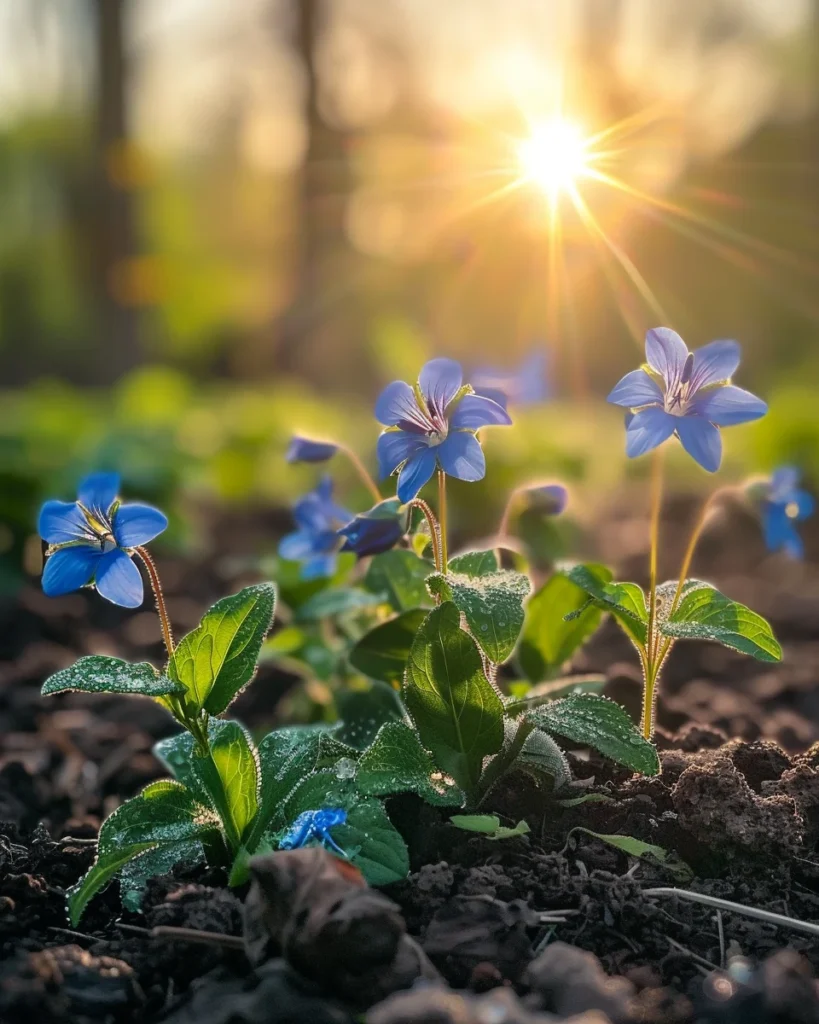
Borage (Borago officinalis) is a delightful annual herb with striking star-shaped blue flowers that have been gracing gardens and plates for centuries. These edible blooms offer a mild cucumber-like Fausses Montres Rolex flavor that makes them perfect for garnishing summer drinks, decorating salads, or crystallizing for cake decorations. Beyond their culinary appeal, borage plants attract beneficial pollinators to your garden and can improve the growth of nearby vegetables. With their fuzzy leaves and prolific blooming habit, borage plants are easy to grow in most temperate regions, thriving in USDA zones 2-11. Whether you’re looking to enhance your edible garden or add a splash of blue to your landscape, borage delivers beauty and function in equal measure.
When to plant borage for edible flowers
Borage is best planted when soil temperatures have warmed to at least 10-15°C (50-60°F). As a cool-season annual that can handle light frost, borage can be planted in early spring in most replica watches UK temperate regions. In Mediterranean or warmer climates, fall planting is also possible for winter and early spring blooms. Borage seeds germinate best when soil temperatures are between 15-20°C (60-70°F), though they can germinate in cooler conditions. While mature plants can survive temperatures down to -5°C (23°F), seedlings are more frost-sensitive, so in colder regions, wait until after the last frost date to direct sow or transplant seedlings outdoors.
Best time to plant borage for edible flowers
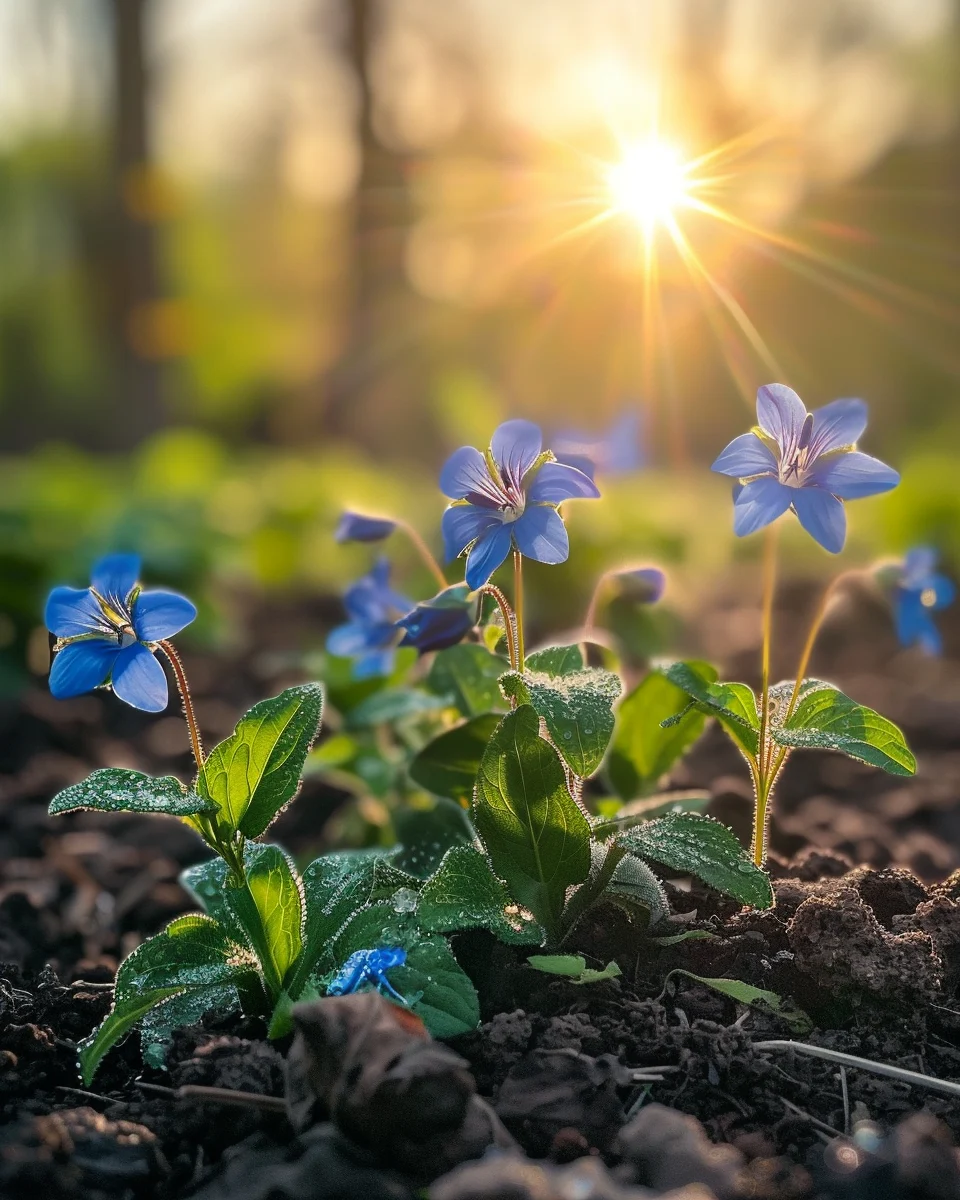
In cool temperate regions (UK, Northern US, Canada), plant borage outdoors from mid-April to early June, once soil has warmed and frost danger has passed. For earlier flowers, start seeds indoors 4-6 weeks before your last frost date, then transplant when seedlings have 2-3 true leaves. In warm temperate regions (Southern US, Mediterranean), you can direct sow from March to May for summer blooms, or in September to October for winter/spring flowering. For continuous edible flowers throughout the growing season, stagger your plantings every 3-4 weeks from spring through early summer. Borage takes approximately 8-10 weeks from sowing to flowering, so plan accordingly for your desired harvest period.
Best borage varieties to grow for edible flowers
- Borago officinalis – The classic variety with brilliant blue star-shaped flowers, excellent for culinary use with its mild cucumber flavor.
- Alba – Features pure white flowers that provide a stunning contrast in salads and make beautiful crystallized decorations.
- Variegata – Offers cream-splashed leaves and traditional blue flowers, adding ornamental value beyond just edible blooms.
- Bianca – Another white-flowered variety that tends to be Fake watches slightly more compact, making it suitable for container growing.
- Blue Borage – Selected strain with particularly large, vibrant blue flowers that are perfect for garnishing summer drinks.
- Creeping Borage (Borago pygmaea) – A lower-growing perennial alternative with smaller blue flowers, ideal for small spaces or rock gardens.
How to plant borage for edible flowers
Materials needed:
- Borage seeds
- Garden fork or tiller
- Compost or well-rotted manure
- Garden trowel
- Watering can with rose attachment or gentle hose
- Plant markers
- Mulch (optional)
Step-by-step planting guide:
- Select a site that receives full sun to partial shade, with well-draining soil.
- Prepare the soil by loosening it to a depth of 20-30 cm (8-12 inches) with a garden fork or tiller.
- Incorporate 5-7 cm (2-3 inches) of compost or well-rotted manure to improve soil structure and fertility.
- For direct sowing, create shallow furrows about 1 cm (½ inch) deep.
- Sow seeds thinly along the furrows, spacing them roughly 5 cm (2 inches) apart.
- Cover seeds lightly with soil – borage needs light to germinate, so don’t bury them too deeply.
- Water gently but thoroughly using a fine spray to avoid displacing seeds.
- If transplanting seedlings, space them 30-45 cm (12-18 inches) apart to allow for their mature spread.
- Place plant markers to identify your borage patch, as young seedlings can be mistaken for weeds.
- Apply a thin layer of mulch around (but not touching) established seedlings to conserve moisture and suppress weeds.
How to grow borage for edible flowers
Borage thrives in full sun to partial shade, with at least 6 hours of direct sunlight daily producing the most abundant flowers. In hot climates, afternoon shade helps prevent wilting and extends the flowering period. Water newly planted borage regularly to establish strong roots, then reduce to moderate watering – about 2.5 cm (1 inch) per week, allowing the top few centimeters of soil to dry between waterings. Borage generally doesn’t require fertilizing in average garden soil; in fact, excessive nitrogen can reduce flower production and flavor. If growing in poor soil, apply a balanced organic fertilizer at half the recommended strength once monthly.
Mulch around plants with straw or compost to retain moisture and suppress weeds. While borage doesn’t require pruning, removing spent flowers encourages continued blooming. The plants can reach 60-90 cm (2-3 feet) in height and may benefit from light staking in windy areas. For container growing, choose pots at least 30 cm (12 inches) deep with drainage holes, using a high-quality potting mix. Container-grown borage may need more frequent watering and occasional feeding with diluted liquid seaweed fertilizer.
Caring for borage for edible flowers
Ongoing care for borage is relatively simple. Check soil moisture regularly, especially during dry spells, and water deeply when the top 2.5 cm (1 inch) of soil feels dry. Harvest flowers continually to encourage more blooms, picking them in the morning when their flavor is most pronounced. Borage is largely pest-resistant, though it can occasionally suffer from powdery mildew in humid conditions – improve air circulation and avoid overhead watering to prevent this. Aphids may sometimes appear; a strong spray of water or insecticidal soap usually resolves the issue.
Watch for slugs and snails on young plants; use organic slug deterrents or beer traps if necessary. Borage is prone to self-seeding, so remove some flower heads before they set seed if you don’t want volunteers next season. For the freshest edible flowers, harvest just as they fully open, gently pulling the star-shaped blooms from their fuzzy sepals. Store flowers for up to three days in the refrigerator between damp paper towels in an airtight container, though they’re best used immediately for optimal flavor and appearance.
Understanding bolting in borage for edible flowers
Unlike many garden herbs where bolting is undesirable, bolting is actually the goal when growing borage for edible flowers. Bolting is the plant’s natural process of producing a flowering stem to set seeds. For borage, this typically occurs 8-10 weeks after germination. The process is triggered primarily by increasing day length (photoperiod) and rising temperatures, though it’s part of borage’s natural annual life cycle rather than a stress response.
If you’re growing borage primarily for its leaves, you might want to delay bolting by harvesting outer leaves regularly and providing some afternoon shade in hot weather. However, for edible flowers, you’ll want to encourage bolting by providing full sun and adequate water. Once borage begins flowering, it will continue to produce blooms for several weeks. To extend the flowering period, remove spent flowers regularly and consider succession planting every 3-4 weeks during the growing season. If your borage plants begin to look leggy or sparse after heavy flowering, you can cut them back by one-third to encourage bushier growth and a second flush of blooms.
Why does borage for edible flowers turn bitter?
- Age of flowers – Older, fully mature flowers may develop a slightly bitter taste; harvest when flowers are newly opened for best flavor.
- Heat stress – Extended periods of high temperatures can cause bitterness; provide afternoon shade in hot climates and ensure consistent watering.
- Drought conditions – Insufficient water stresses plants and concentrates compounds that create bitterness; maintain even soil moisture.
- Excessive fertilizer – Too much nitrogen can alter flavor profiles; use minimal fertilizer when growing borage for edible flowers.
- End of season decline – As plants complete their life cycle, later flowers may become less palatable; start new plants for continuous quality blooms.
Companion planting for borage for edible flowers
Borage makes an excellent companion plant throughout the garden due to its ability to attract pollinators and beneficial insects. Plant borage near strawberries to improve their flavor and yield, as the flowers attract bees that enhance strawberry pollination. Tomatoes benefit from borage’s ability to repel tomato hornworms and attract pollinators. Squash and cucumber plants grow better alongside borage, which attracts bees necessary for proper fruit set and may help deter some pests.
Brassicas like cabbage and broccoli can benefit from borage’s ability to attract beneficial insects that prey on cabbage worms and other pests. Herbs like oregano and thyme complement borage well, creating a diverse herb garden that supports various beneficial insects. Avoid planting borage directly next to beans, as they may compete for the same soil nutrients. Also, keep some distance between borage and plants that prefer dry conditions, as borage’s water needs might create too much moisture for drought-tolerant plants like rosemary or lavender.
Seasonal calendar
- January-February: Order seeds; plan garden layout (start seeds indoors in late February in warm regions).
- March: Start seeds indoors in cool regions; direct sow in warm regions; prepare garden beds.
- April: Direct sow in most temperate regions; transplant indoor seedlings after last frost.
- May: Continue direct sowing; thin seedlings to final spacing; begin harvesting leaves from established plants.
- June: First flowers appear; begin harvesting edible blooms; succession sow for continuous flowering.
- July-August: Peak flowering period; harvest flowers regularly; provide extra water during hot periods.
- September: Continue harvesting; allow some flowers to set seed if desired; final succession sowing in warm regions.
- October: Harvest remaining flowers; collect seeds from dried seed heads; remove spent plants in cold regions.
- November-December: Clean and store collected seeds; plan for next season; in mild Mediterranean climates, consider fall planting for winter/spring blooms.
Problems & solutions
| Problem | Quick Fix |
|---|---|
| Leggy, sparse plants | Provide more sunlight; cut back by one-third to encourage bushier growth |
| Few flowers | Ensure at least 6 hours of sun daily; avoid over-fertilizing with nitrogen |
| Powdery mildew on leaves | Improve air circulation; water at soil level; spray with diluted milk solution (1:10 milk to water) |
| Aphids on new growth | Spray with strong water jet; apply insecticidal soap; encourage ladybugs |
| Slug damage on seedlings | Apply diatomaceous earth around plants; set up beer traps; water in morning only |
| Excessive self-seeding | Remove spent flowers before seed set; mulch heavily to prevent germination |
| Wilting despite moist soil | Provide afternoon shade in hot weather; mulch to keep roots cool |
Common questions about growing borage for edible flowers
How often should I water borage plants?
Water deeply once or twice weekly, providing about 2.5 cm (1 inch) of water each time. Allow the top few centimeters of soil to dry between waterings. Container plants may need more frequent watering, especially in hot weather.
How much sun does borage need to produce flowers?
Borage produces the most abundant flowers with 6-8 hours of direct sunlight daily. In hot climates, afternoon shade is beneficial and can extend the flowering period without significantly reducing bloom quantity.
What size container works for growing borage?
Choose containers at least 30 cm (12 inches) deep and wide with good drainage holes. A 5-gallon (19-liter) pot can comfortably support one to two borage plants, allowing for their full development and flowering potential.
How far apart should I space borage plants?
Space borage plants 30-45 cm (12-18 inches) apart to allow for their mature spread. In containers, limit to one plant per 5-gallon pot or two plants in larger containers to prevent overcrowding.
Can borage survive frost?
Mature borage plants can tolerate light frosts down to about -5°C (23°F), but seedlings are more sensitive. In regions with cold winters, borage grows as an annual, completing its life cycle in one season.
How often can I harvest borage flowers?
Harvest borage flowers every 2-3 days during peak blooming season. Regular harvesting encourages the plant to produce more blooms. Each plant can provide dozens of flowers throughout its growing season.
Are all parts of borage edible?
While borage flowers are most commonly eaten, young leaves are also edible with a cucumber-like flavor, though their fuzzy texture makes them better suited for cooking than raw consumption. Always harvest from plants grown without chemical pesticides.