

How to Grow Angelonia (Summer Snapdragon): When to Plant, Best Varieties & Care for Continuous Summer Blooms
Intro for How to Grow Angelonia (Summer Snapdragon)
Angelonia, often called Summer Snapdragon, is a heat-loving perennial that brings vertical interest and continuous color to summer gardens when many other flowers fade. Native to Mexico and the West Indies, these upright plants produce elegant spikes of snapdragon-like blooms in shades of purple, blue, pink, and white. Angelonia replica watches thrives in hot, humid conditions and offers remarkable drought tolerance once established. Perfect for borders, containers, and cutting gardens, these low-maintenance plants attract pollinators while remaining deer and rabbit resistant. In most temperate regions, Angelonia performs as an annual, but can be perennial in USDA zones 9-11, providing reliable color from late spring through fall with minimal care.
When to plant How to Grow Angelonia (Summer Snapdragon)
Angelonia requires warm soil and air temperatures to thrive, making timing crucial for success. Wait until all danger of frost has passed and soil temperatures reach at least 18-21°C (65-70°F). In most temperate regions, this means planting in late spring to early summer. Angelonia is extremely frost-sensitive, so early replica Omega planting can lead to stunted growth or plant death if temperatures drop unexpectedly. In warmer zones (9-11), you can plant earlier in spring. For cooler regions, it’s best to wait until nighttime temperatures consistently stay above 10°C (50°F) to ensure your Angelonia gets off to a strong start.
Best time to plant How to Grow Angelonia (Summer Snapdragon)
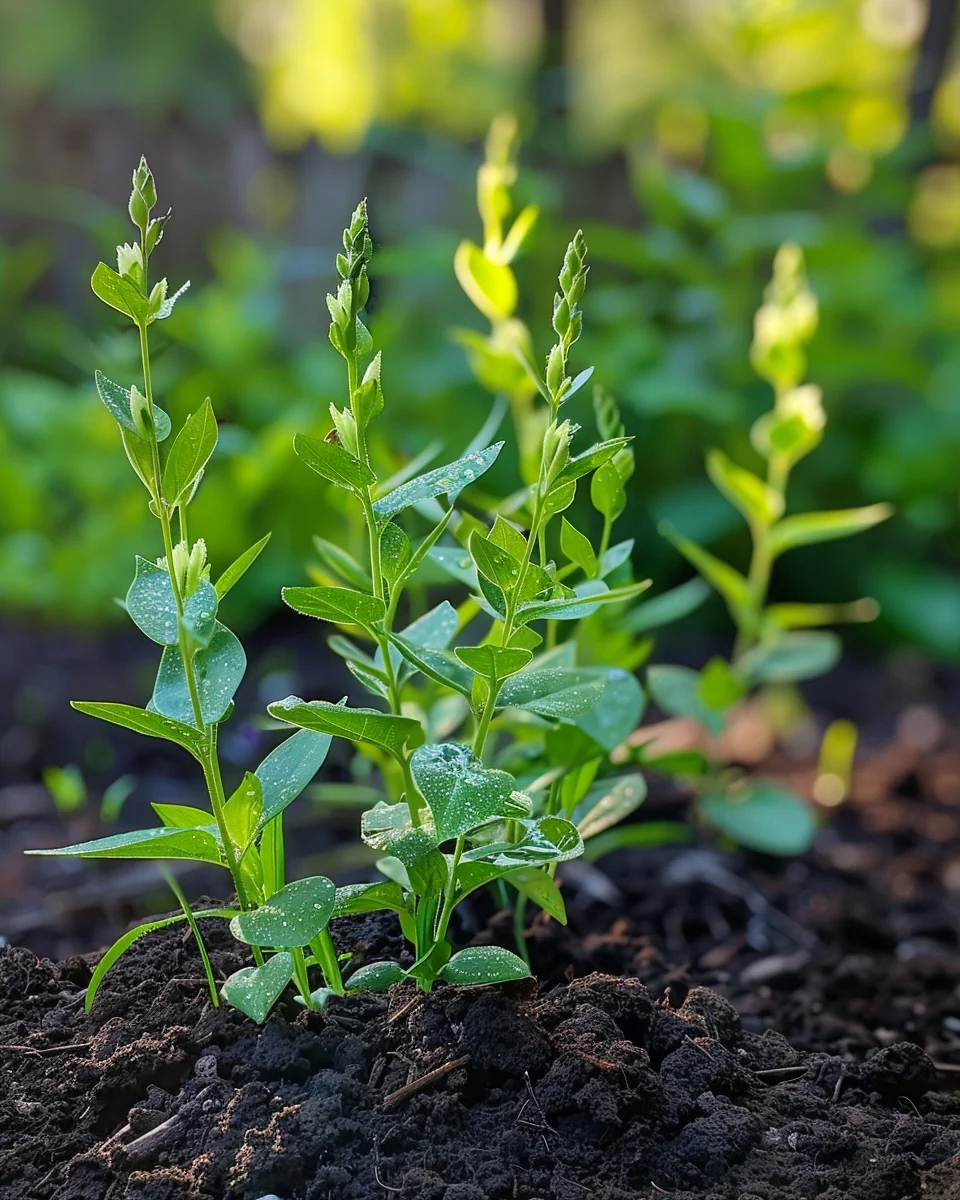
For cool temperate regions (UK, Northern US, Canada), plant Angelonia from mid-May to early June when soil has thoroughly warmed. In warm temperate regions (Southern US, Mediterranean), plant from April to early May. Angelonia is typically grown from nursery transplants rather than seeds, as seeds can be replica watches UK challenging to germinate and slow to develop. If starting from seed indoors, sow 8-10 weeks before your last frost date. For container gardening, you can plant slightly earlier if you can bring containers indoors during unexpected cold snaps. In subtropical regions, Angelonia can be planted nearly year-round except during the coolest winter months.
Best How to Grow Angelonia (Summer Snapdragon) varieties to grow
- Angelface® Blue – Award-winning deep blue-purple blooms on sturdy stems that rarely need staking, excellent heat tolerance.
- Serena™ Series – Compact plants (30-40cm/12-16in) ideal for containers and front borders, available in purple, white, pink and lavender.
- Archangel™ Dark Rose – Features exceptionally large flowers in rich rose-pink, with improved branching for fuller plants.
- Angelonia angustifolia ‘Carita Cascade White’ – Trailing habit perfect for hanging baskets and container edges with pure white blooms.
- Angelface® Cascade Series – Spreading/trailing varieties (up to 75cm/30in spread) in blue, pink and white, ideal for containers and ground cover.
- Angelonia ‘Serenita Raspberry’ – Compact variety with vibrant raspberry-pink blooms that performs exceptionally well in heat and humidity.
- AngelMist® Spreading Series – Wider spreading habit with excellent branching, available in several colors including unique bicolors.
How to plant How to Grow Angelonia (Summer Snapdragon)
Materials needed:
- Angelonia plants or seedlings
- Well-draining potting mix or garden soil amended with compost
- Slow-release fertilizer
- Garden trowel
- Watering can or hose with gentle spray attachment
- Mulch (optional)
Step-by-step planting:
- Select a planting site that receives full sun (6+ hours daily) with well-draining soil.
- Prepare the soil by removing weeds and incorporating 2-3 inches of compost to improve drainage and fertility.
- Dig holes approximately twice the width of the root ball and at the same depth as the container.
- Space plants 30-45cm (12-18in) apart for upright varieties, and 45-60cm (18-24in) for spreading types.
- Remove plants carefully from their containers, gently loosening the root ball if root-bound.
- Place each plant in its hole, ensuring the top of the root ball is level with the surrounding soil.
- Backfill with soil, firming gently around the roots to eliminate air pockets.
- Water thoroughly after planting to help settle the soil around roots.
- Apply a thin layer of mulch around plants (but not touching stems) to conserve moisture and suppress weeds.
- For container planting, use a high-quality potting mix and ensure containers have drainage holes.
How to grow How to Grow Angelonia (Summer Snapdragon)
Angelonia thrives in full sun, requiring at least 6-8 hours of direct sunlight daily for optimal flowering. In very hot climates, light afternoon shade can be beneficial. Water newly planted Angelonia regularly to establish a strong root system, keeping soil consistently moist but never soggy. Once established (typically after 3-4 weeks), Angelonia becomes quite drought-tolerant, requiring water only when the top inch of soil feels dry. Apply a balanced, slow-release fertilizer at planting time, then supplement with liquid fertilizer every 3-4 weeks during the growing season.
Mulch around plants to retain moisture and suppress weeds, keeping the mulch a few centimeters away from stems to prevent rot. While Angelonia doesn’t require deadheading to continue blooming, a light trim midseason (cutting back by about one-third) can rejuvenate plants and encourage bushier growth with more flower spikes. For container-grown Angelonia, use pots at least 25-30cm (10-12in) in diameter with excellent drainage, and water more frequently as containers dry out faster than garden soil.
Caring for How to Grow Angelonia (Summer Snapdragon)
Ongoing care for Angelonia is relatively simple. Monitor soil moisture during hot spells, especially for container plants which may need daily watering in extreme heat. Fertilize monthly with a balanced liquid fertilizer diluted to half-strength to maintain continuous blooming. The main pests affecting Angelonia include aphids and whiteflies, which can be controlled with insecticidal soap or neem oil. Watch for signs of powdery mildew in humid conditions, recognizable as a white powdery coating on leaves; improve air circulation and avoid overhead watering to prevent this fungal disease.
Angelonia rarely requires staking as stems are generally sturdy, but very tall varieties in windy locations may benefit from light support. For continuous blooms, you can perform a light shearing if flowering slows mid-season. In zones 9-11 where Angelonia is perennial, cut plants back by half in late winter before new growth begins. In cooler zones, you can take cuttings in fall to overwinter indoors, or simply treat as annuals and replace each spring.
Understanding bolting in How to Grow Angelonia (Summer Snapdragon)
Unlike many garden flowers, Angelonia doesn’t experience true bolting in the traditional sense. Bolting typically refers to when leafy vegetables prematurely produce flower stalks, making them bitter and less desirable. Since Angelonia is grown specifically for its flower spikes, the term doesn’t apply in the same way. However, Angelonia can experience flowering slowdown or pause during periods of extreme heat (above 35°C/95°F) or drought stress.
To maintain consistent flowering, ensure plants receive adequate water during heat waves and consider providing afternoon shade in extremely hot climates. If flowering diminishes during summer, a light trim (removing about one-third of the plant height) and a dose of balanced fertilizer can stimulate new growth and flower production. Unlike bolting vegetables that become unusable, Angelonia will typically resume flowering when conditions improve or after pruning.
Why does How to Grow Angelonia (Summer Snapdragon) turn bitter?
Angelonia is an ornamental plant grown for its flowers rather than consumption, so bitterness isn’t a concern in the traditional culinary sense. However, Angelonia can develop problems that affect its appearance and performance:
- Yellowing leaves – Usually indicates overwatering or poor drainage; reduce watering frequency and ensure soil drains well.
- Leggy, sparse growth – Typically caused by insufficient sunlight; move to a sunnier location or trim back to encourage bushier growth.
- Reduced flowering – Often due to insufficient fertilizer; apply balanced liquid fertilizer every 3-4 weeks during growing season.
- Brown leaf edges – May indicate drought stress or salt buildup from fertilizer; water more consistently and flush containers occasionally with plain water.
- Overall decline – Could be root rot from consistently wet soil; improve drainage and reduce watering frequency.
Companion planting for How to Grow Angelonia (Summer Snapdragon)
Angelonia makes an excellent companion for many summer-blooming plants, particularly those that share similar growing requirements. Good companions include:
- Lantana – Complements Angelonia’s vertical form with mounding habit and attracts butterflies while sharing excellent heat tolerance.
- Pentas – Provides complementary star-shaped flowers that attract butterflies and hummingbirds alongside Angelonia’s spikes.
- Salvia – Offers similar vertical interest in complementary colors and shares drought tolerance once established.
- Gomphrena – Globe-shaped flowers contrast beautifully with Angelonia’s spikes, and both plants thrive in hot, sunny conditions.
- Sweet Potato Vine – Provides trailing foliage that contrasts with Angelonia’s upright habit, perfect for container combinations.
Avoid planting Angelonia near:
- Shade-loving plants – Angelonia’s sun requirements will conflict with plants needing shade.
- Water-demanding plants – Plants requiring consistently moist soil may lead to overwatering Angelonia.
- Aggressive spreaders – Fast-growing plants may overwhelm the more moderate growth of Angelonia.
Seasonal calendar
- February-March – Start seeds indoors in warm regions; purchase plugs or young plants.
- April – Begin hardening off seedlings in warm regions; continue indoor growth in cooler areas.
- May – Plant outdoors in warm regions; begin hardening off in cooler regions when night temperatures stay above 10°C (50°F).
- June – Plant outdoors in cooler regions; apply first fertilizer to established plants; ensure consistent watering.
- July – Monitor for pests; provide adequate water during hot spells; apply second round of fertilizer.
- August – Consider light pruning to rejuvenate plants if flowering has slowed; continue regular watering and fertilizing.
- September – Enjoy continued blooms; take cuttings for overwintering in zones colder than 9.
- October – Final enjoyment of blooms until frost in cooler regions; continued flowering in warm zones.
- November-January – In zones 9-11, plants may continue flowering or enter dormancy; reduce watering in dormant periods.
Problems & solutions
| Problem | Quick Fix |
|---|---|
| Few or no flowers | Ensure full sun (6+ hours daily) and apply balanced fertilizer; trim back leggy growth. |
| Yellowing leaves | Check drainage and reduce watering; yellowing often indicates overwatering or poor drainage. |
| Aphids or whiteflies | Spray with insecticidal soap or neem oil solution, focusing on undersides of leaves. |
| Powdery mildew | Improve air circulation, avoid overhead watering, and apply fungicide if necessary. |
| Leggy, sparse growth | Provide more sunlight and trim plants by one-third to encourage branching. |
| Wilting despite moist soil | Check for root rot; ensure container has drainage holes; replant in fresh soil if necessary. |
| Leaf drop | Usually indicates temperature stress or dramatic change in conditions; stabilize environment and provide consistent care. |
Common questions about growing How to Grow Angelonia (Summer Snapdragon)
How often should I water Angelonia?
Water newly planted Angelonia every 2-3 days until established. Once established, water when the top inch of soil feels dry. In containers, this may mean daily watering during hot weather; in garden beds, typically once or twice weekly depending on rainfall and temperatures.
Can Angelonia grow in partial shade?
Angelonia performs best with at least 6 hours of direct sun daily. In very hot climates (zones 9-11), it can tolerate afternoon shade. In cooler regions, full sun is essential for optimal flowering. Plants grown in too much shade will become leggy with fewer flowers.
What size container works best for Angelonia?
Use containers at least 25-30cm (10-12in) in diameter with good drainage. Larger containers (40cm/16in or more) allow for combining multiple plants and require less frequent watering. Ensure any container has drainage holes to prevent waterlogged soil.
How far apart should I space Angelonia plants?
Space upright varieties 30-45cm (12-18in) apart and spreading varieties 45-60cm (18-24in) apart. In containers, you can space slightly closer for a fuller immediate effect, but ensure adequate air circulation to prevent disease.
Is Angelonia frost-hardy?
No, Angelonia is very frost-sensitive and will die when temperatures drop below freezing. It’s perennial only in USDA zones 9-11. In colder regions, treat as an annual or take cuttings in fall to overwinter indoors.
Do I need to deadhead Angelonia?
Angelonia is self-cleaning and doesn’t require deadheading to continue blooming. However, a light overall trim (removing about one-third of the growth) in midsummer can rejuvenate plants and encourage fuller, more floriferous growth for the remainder of the season.
Can I divide Angelonia plants?
Unlike many perennials, Angelonia doesn’t form divisible clumps and isn’t typically propagated by division. In zones where it’s perennial, it’s better to take stem cuttings for propagation rather than attempting to divide established plants.